


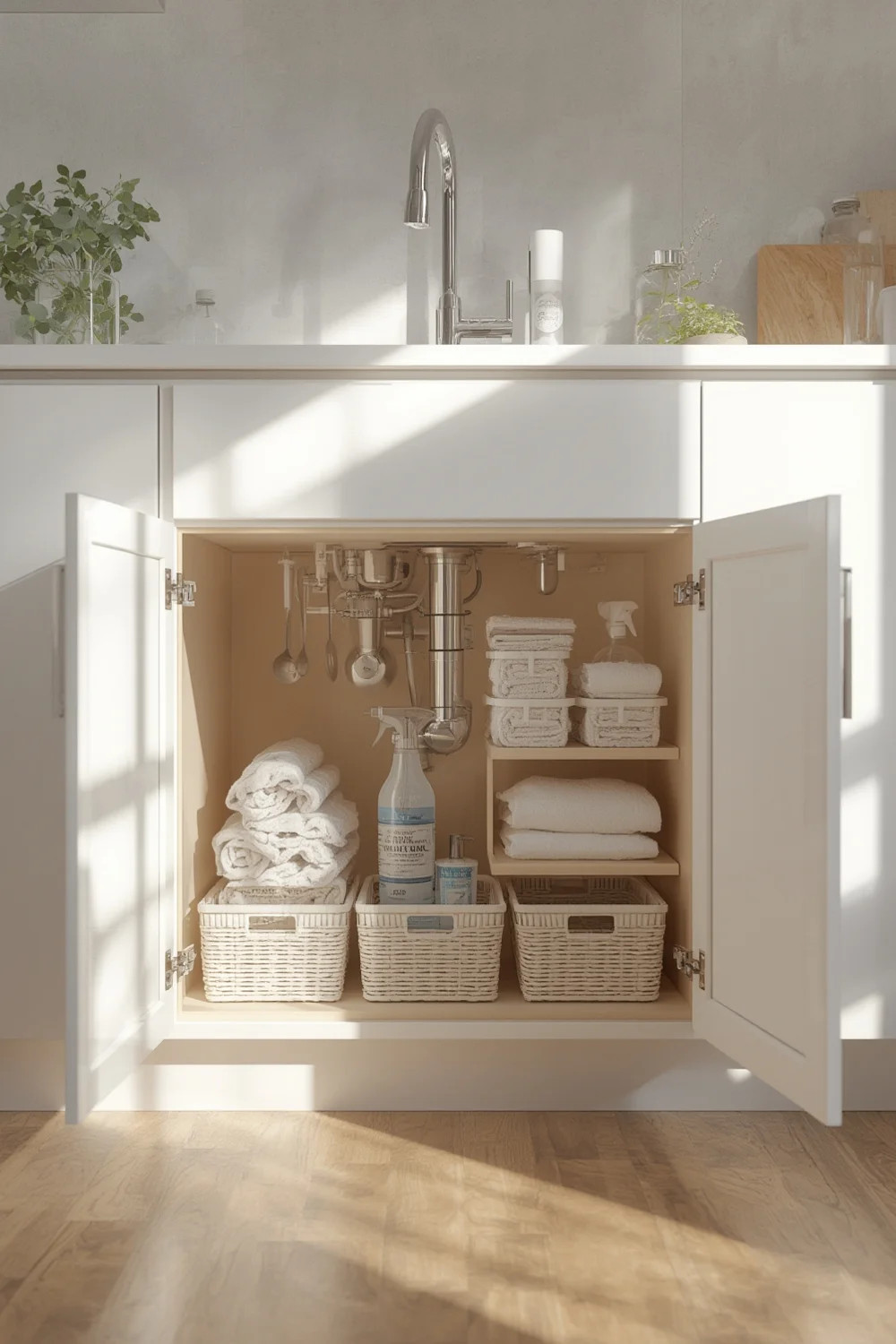
Under Sink Organizer solutions are changing the way people tackle clutter and chaos beneath the kitchen or bathroom sink. If you’ve ever opened a cabinet door only to face a jumble of bottles, tools, or lost sponges, you know how necessary these clever organization tools have become. This guide is designed to help you navigate the latest options, understand what makes a great under sink organizer, and avoid the common pitfalls that frustrate so many homeowners.
Key Takeaways
- The market for under sink organizers is rapidly growing, with adjustable and metal models leading in popularity.
- Choosing the right organizer involves balancing material quality, price, ease of installation, and real-world usability.
- Practical features and honest insights on common complaints help you make a smarter buying decision.
- What Is an Under Sink Organizer?
- How to Choose the Right Under Sink Organizer
- Advanced Market Insights and Common Challenges
- Conclusion and Next Steps
- Frequently Asked Questions
What Is an Under Sink Organizer?
An under sink organizer is a practical system—usually made from metal, plastic, or wood—designed to maximize the awkward, often wasted space beneath your kitchen or bathroom sink. Whether you need a pull-out tray, stackable shelves, adjustable racks, or just a simple way to corral cleaning supplies, these organizers help transform a clutter magnet into a functional, stress-free storage area.
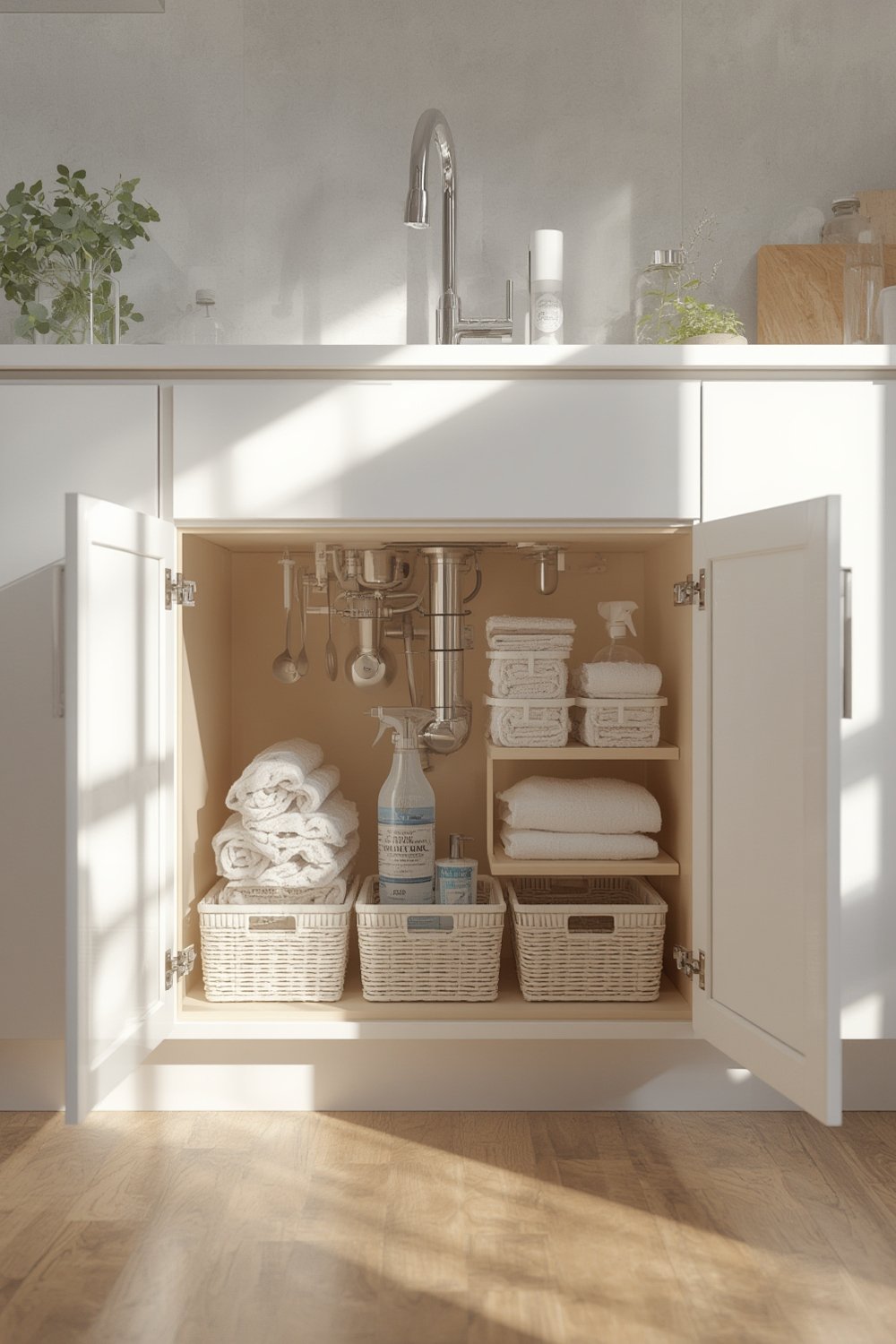
The market for under sink organizers has seen significant growth. In fact, estimates for the global market value in 2024 range from $2.12 billion to $10.5 billion, depending on how each research group defines the segment. One report tracks specifically the pull-out tray segment, which alone reached $2.14 billion.
Most modern organizers feature designs that accommodate plumbing, garbage disposals, and other under-sink quirks. adjustable models provide flexibility and allow homeowners to create a truly custom fit.
The importance of choosing the right under sink organizer also extends beyond kitchens. While many homeowners focus on the bathroom for countertop decluttering tips (see bathroom organization guide), paying attention to your cabinet storage can reveal just as much hidden potential.
Want to explore other kitchen organization topics? Check out these drawer organizer ideas next.
How to Choose the Right Under Sink Organizer
Picking the best under sink organizer for your space can be overwhelming. Start by considering your cabinet’s exact dimensions and any obstacles (pipes, disposals, water filters, etc.) that could impact available space.
Here’s a clear, step-by-step way to select the right organizer:
- Measure Carefully: Use a tape measure to check cabinet width, height, and depth. Note how far plumbing projects into your usable area.
- Identify Main Uses: Are you storing cleaning supplies, small appliances, or pantry items? Choose an organizer with features fit for your specific needs.
- Choose Materials Wisely: Metal organizers lead the market for their strength, longevity, and finish. Plastic can be budget-friendly but may flex or degrade. Wood gives a classic look but can be susceptible to water stains or warping.
- Compare Features: Look for adjustable shelves, pull-out trays, stackable sections, and easy-access bins. Some models offer removable drip trays to make cleaning up leaks or spills easier.
- Check Installation Complexity: Products range from simple, tool-free units you place on the cabinet floor to screw-in pull-outs requiring a drill and accurate placement. If DIY isn’t your thing, opt for a fully freestanding or adhesive-mount design.
- Factor in Budget: The value segment covers $15–45, mainstream premium lands in the $45–75 range, and specialized solutions run $160+. The sweet spot for quality and longevity tends to be $50–70, with top brands like mDesign and InterDesign competing at this level.
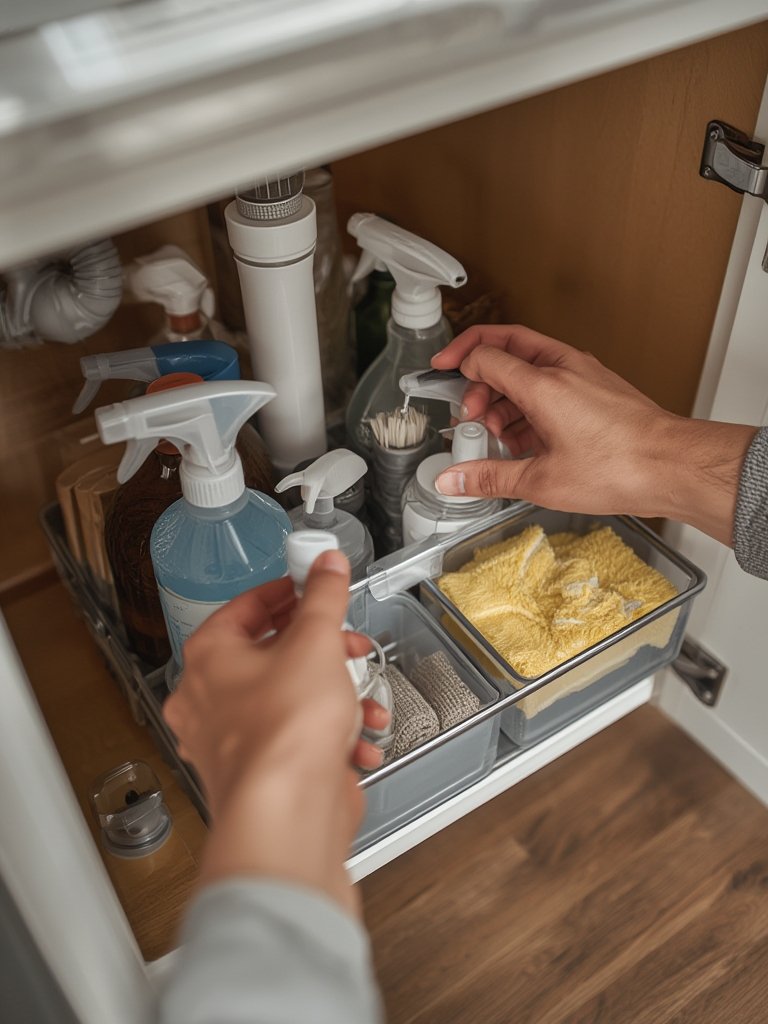
If you’re also considering renovating your cooking zone, see our modular kitchen storage systems guide for inspiration on integrating under sink storage into larger kitchen plans.
Advanced Market Insights and Common Challenges
The under sink organizer market is more complicated than it appears. Here’s what deeper research and real-world customer data reveal—plus, the limitations you should be aware of before making a final choice.
Market Trends and Growth: Reports suggest that the kitchen storage organization market is on track for a 3.9% annual growth rate from 2024 through 2032, driven by new home construction and the popularity of modular kitchens. The sink and under-sink segment are clear leaders in terms of sales and innovation. Adjustable organizers are outpacing fixed models, as more buyers want custom-fit, future-proof solutions.
Materials and Features: Metal models—often stainless steel or powder-coated steel—are the durability champs, thanks to rust resistance and higher weight capacity. Plastic and wood versions still hold a place, especially for value shoppers and those wanting a softer aesthetic, but plastic organizers sometimes lose rigidity or discolor with age.
| Segment | Market Value (USD, 2024) | Growth Trend | Key Features | Price Range (USD) |
|---|---|---|---|---|
| Pull-Out Tray | $2.14 billion | Expanding | Sliding access, heavy-duty rails | 45–160+ |
| Adjustable Rack | Dominant | Fastest | Customizable shelving, modular design | 20–90 |
| Stackable Tier | Strong | Steady | Layered storage, flexibility | 25–85 |
| Freestanding Shelf | High | Steady | No install, portable | 15–60 |
Customer Complaints & Pain Points: Based on a recent analysis, brands like madesmart and Rev-A-Shelf have faced criticism for product design flaws and customer service issues. Common frustrations include ill-fitting sizing, instability when fully loaded, or installation woes—especially when the instructions aren’t clear or cabinets vary widely.
Some users also note that expensive, premium organizers don’t always outperform mid-tier options. It’s important to set realistic expectations by checking product dimensions, return policies, and customer feedback.
Feature Innovation: While most new launches focus on improved modularity, adjustable height, and compatibility with various plumbing layouts, smart home integration is on the horizon. Some kitchen organization systems now include app connectivity or sensors for leak detection—features likely to become more common in the next few years (see market report).
If you’re interested in smart technologies for the kitchen, our smart kitchen devices overview covers the newest connected gadgets.
Limitations of Available Data: Manufacturer specifications around weight capacity, exact measurements, and installation timing aren’t consistently published. It pays to double-check with retailer Q&As or request details directly if you’re working with unusually tight spaces or very heavy storage requirements.
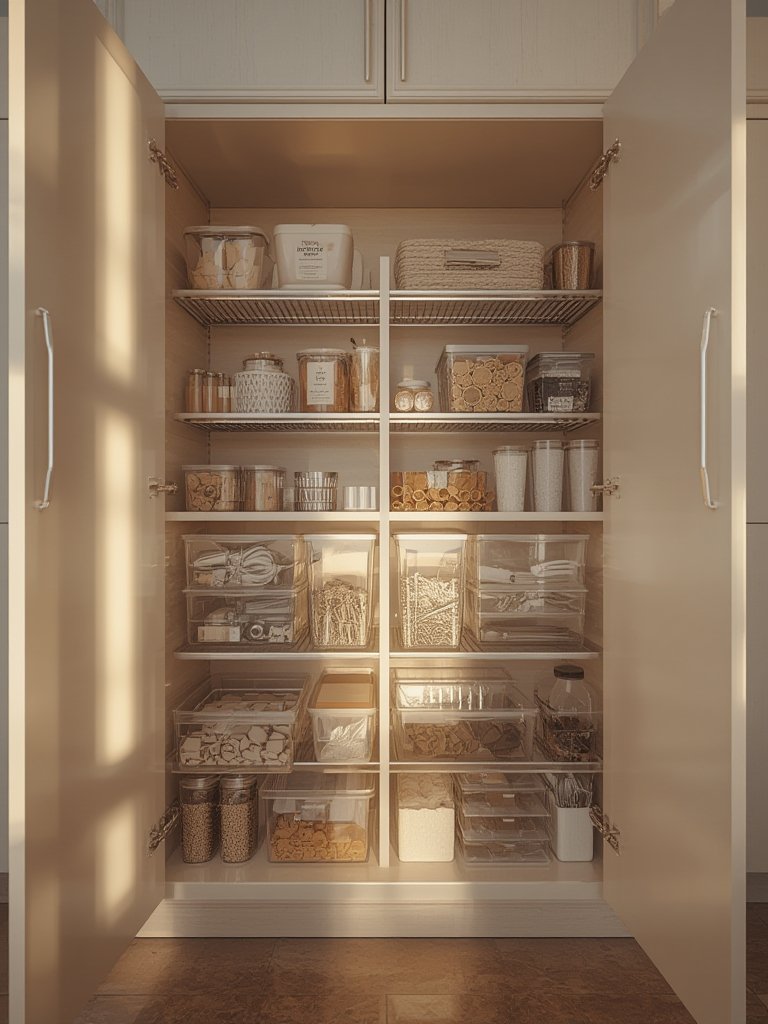
Looking for easy-to-install options? Check our hands-on no-drill under sink organizers review for models requiring little or no hardware.
For a wider market view, you can explore the latest market analysis from Growth Market Reports.
Conclusion and Next Steps
With so many options on the market, choosing an under sink organizer doesn’t need to be overwhelming. Focus on measuring carefully, honestly assessing your needs, and understanding the tradeoffs between budget and longevity. Keep an eye out for modular and adjustable designs—they’re most likely to give you a fully usable, frustration-free space no matter how your under-sink area changes over time.
Ready to reclaim lost cabinet space? Use this guide, check real user reviews, and don’t hesitate to mix and match different solutions as your needs evolve. To dig deeper, explore our Complete Kitchen Organization Guide for the rest of your home.
Frequently Asked Questions
What is the average price for a quality under sink organizer?
Most well-reviewed under sink organizers fall in the $50–70 range, though you can find simple models for as low as $15 and high-end units over $160. Quality and capacity usually increase with price, but many homeowners are satisfied with organizers in the mainstream premium segment ($45–75).
Are metal or plastic under sink organizers better?
Metal organizers, particularly stainless or coated steel, last longer and handle heavier loads. Plastic versions can be more affordable and lightweight but may degrade faster under heavy use. Consider your budget and what you’re storing.
Do all organizers require tools to install?
No. Many freestanding or simple rack organizers require no tools at all, while slide-out trays and some adjustable models may need a screwdriver or drill. Always double-check installation instructions before purchase.
How can I maximize storage in a small under sink space?
Look for adjustable, modular systems, and use door-mounted organizers for items like gloves or brushes. Stackable shelves can divide vertical space, while magnetic or adhesive hooks on cabinet doors add extra utility.
What are the most common complaints about under sink organizers?
The most common issues are poor fit against plumbing, instability or tipping with heavy items, and difficult installation instructions. Reading reviews and measuring carefully before purchase helps avoid these problems.