


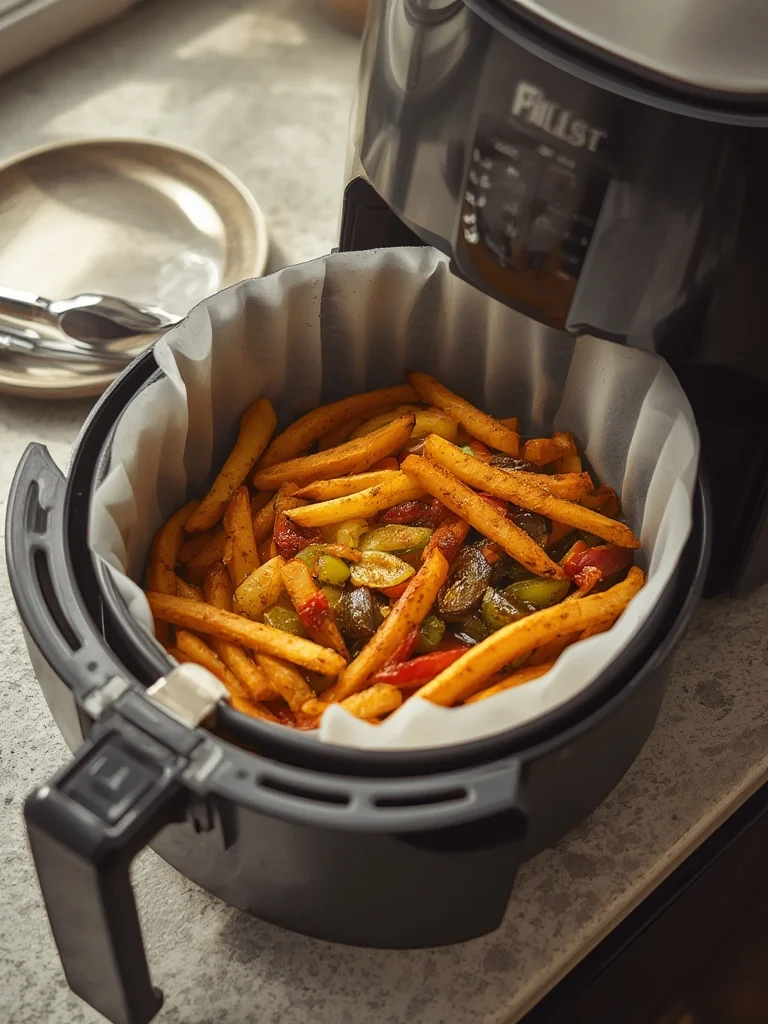
Silicone Air Fryer Liners are changing the way home cooks keep their air fryers clean and their meals healthy. If you use your air fryer often, you’ve likely faced stuck-on messes, burnt parchment, and the frustration of disposables. Silicone liners promise a smarter, more sustainable solution—but are they really worth it? This in-depth guide covers what you need to know before buying, how to use liners for best results, and honest insights from current research so you can make an informed choice for your kitchen.
Key Takeaways
- Silicone air fryer liners lead the reusable liner market in 2024 for their durability and eco-friendliness, but lack detailed lab safety data at air fryer temperatures.
- Not all brands are created equal—look for food-grade, certified silicone with thoughtful design for best fit and performance.
- Current research highlights benefits but also reveals a lack of clear cost savings data and limited info on long-term health and user complaints.
- What Are Silicone Air Fryer Liners and Why Are They So Popular?
- How to Use Silicone Air Fryer Liners: Step-by-Step
- Advanced Insights and Real Compromises You Should Know
- Conclusion: Are Silicone Air Fryer Liners Right for You?
- Frequently Asked Questions
What Are Silicone Air Fryer Liners and Why Are They So Popular?
Silicone air fryer liners are heat-resistant, flexible trays designed to fit inside your air fryer basket or tray. Unlike parchment or paper liners, they’re made from reusable, food-grade silicone. This gives them non-stick properties, makes them easy to clean, and helps them last for months if not years.
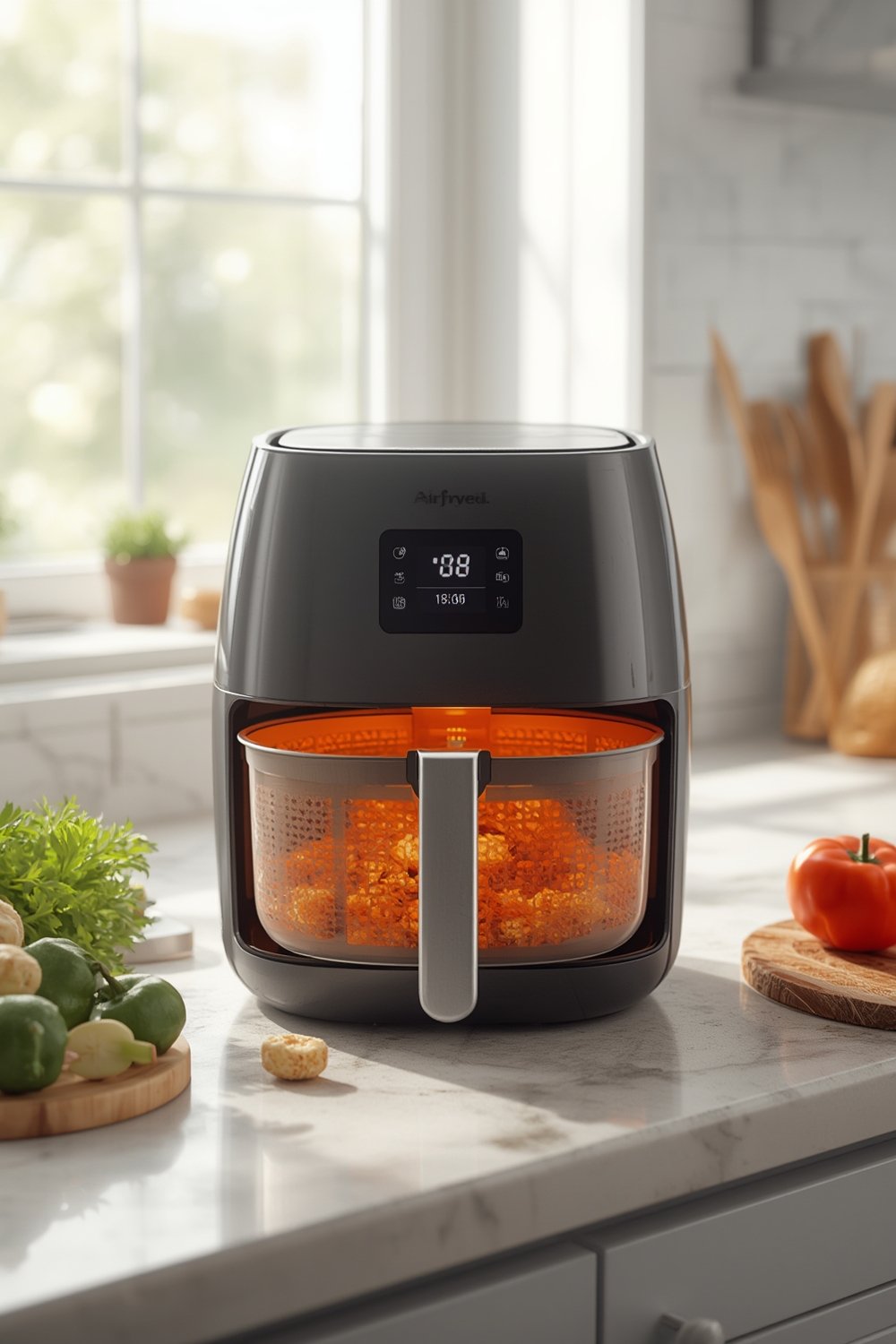
What’s driving their surge in popularity? In 2024, market reports show silicone liners now outsell disposable parchment and paper alternatives, claiming a $500M segment of the market by 2025 (Archive Market Research). Home cooks are drawn to:
- Durability: Withstands hundreds of uses at typical air fryer temps (350–400°F)
- Non-stick surface: Food releases easily, making cleanup fast
- Eco-friendliness: Cuts out single-use waste
- Versatility: Works for meats, veggies, frozen snacks, and more
This makes them especially attractive for those who cook from scratch, meal prep in bulk, or simply want to avoid battling caked-on grease after every dinner. While parchment is still chosen for convenience and lower cost, silicone’s long-term value is winning over an increasing number of air fryer fans, especially in North America, Europe, and a fast-growing Asia-Pacific market (Valuates Reports).
How to Use Silicone Air Fryer Liners: Step-by-Step
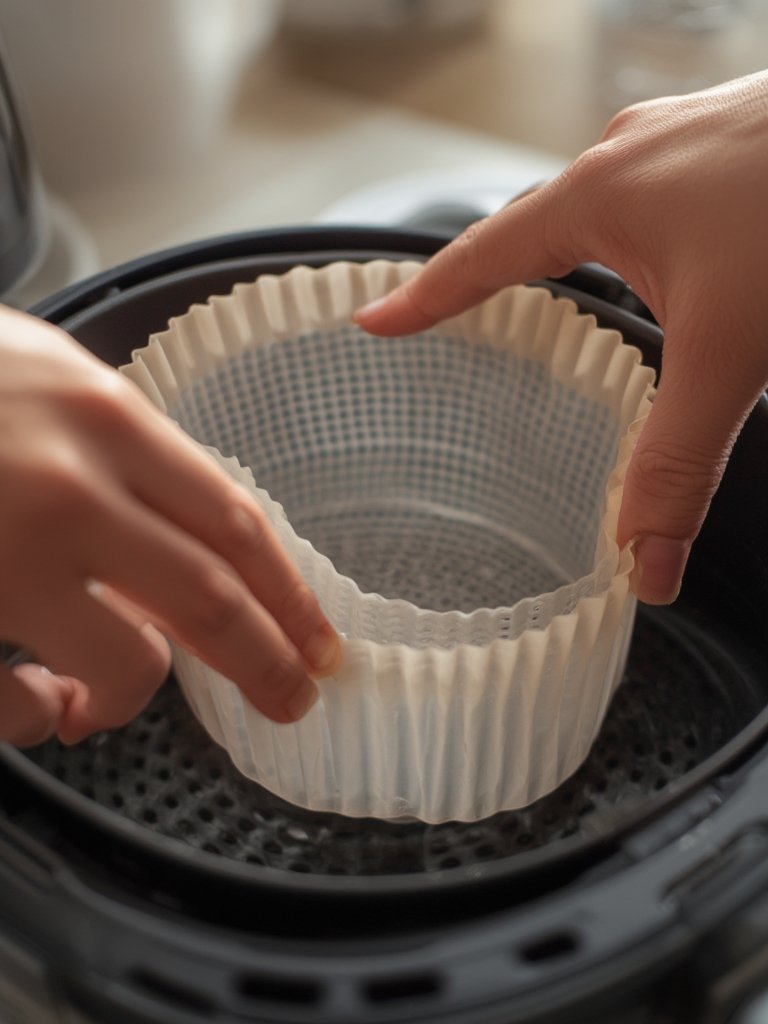
Using a silicone air fryer liner is simple, but a few smart habits ensure you get better-tasting food and easier cleanup. Here’s how to make the most of yours—from unboxing to expert hacks:
- Choose the Right Size & Shape
Measure your air fryer basket’s dimensions. Liners come in round, square, and rectangular shapes. Pick one that covers the bottom or fits snugly without curling up the sides, which could disrupt airflow. - Check for Food-Grade Marks
Look for clear “food-grade silicone” labeling, and ideally, mention of FDA or LFGB certification. This ensures materials are non-toxic for culinary use. - Preheat Optionally
Some brands recommend preheating your air fryer before placing food in the silicone liner. This prevents sticking and speeds up cooking. - Arrange Food Evenly
Spread ingredients in a thin, single layer on the liner. Don’t overload—this allows hot air to fully circulate, ensuring even browning on all sides. - Clean After Each Use
Let your liner cool, then hand-wash with mild soap and a soft sponge. Most can go on the top rack of the dishwasher. Don’t cut, stab, or use abrasive cleaners to avoid tears. - Store Flat or Rolled
Silicone liners are flexible and easily slip into a kitchen drawer, rolled up or flat for next time.
Curious how silicone liners stack up against other kitchen gadgets for making life easier? Compare them to clever tools like a cordless vacuum cleaner for quick kitchen cleaning, or an electric lunch box for healthy, on-the-go lunches.
Advanced Insights and Real Compromises You Should Know
Silicone air fryer liners promise a lot, but what’s the reality when it comes to safety, cost, durability, and cleaning? Here’s what the latest research and product testing actually reveal:
Market Growth and Design Innovations
| Type | 2024 Market Share | CAGR (2025–32) | Main Appeal | Drawbacks |
|---|---|---|---|---|
| Silicone Liners | $500M projected for 2025 (ArchiveMR) | 15% | Durability, non-stick, reusable, premium feel | Higher price, some durability complaints, safety data gaps |
| Parchment/Paper Liners | $380M (2024, Valuates) | Steady | Convenience, affordability, disposable | Single use, waste, risk of burning |
Recent designs (2023–2024) focus on:
- Multi-size (small, large, square, round) options
- Handles or loops for lifting
- Patterns or ridges for improved airflow
- Model-specific sizing for popular air fryers
Food Safety and Chemical Leaching: What’s Known & Unknown
A major selling point for silicone liners is their “food-grade safety.” Leading brands like Wavelu, Lotteli, and OXO specify BPA-free or food-grade materials. However, there are important caveats:
- No lab-verified data currently available on chemical leaching at standard air fryer temperatures (350–400°F).
- Major certifications you may see or desire include FDA compliance (US), LFGB (Europe), and BPA-free marks—but certification is often implied, not always documented.
- User reviews often praise ease of cleaning and claim no off-odors or transfer to food, but details on safety at high temps are lacking.
Bottom line: There’s currently no large-scale evidence of harm, but definitive lab studies for air frying conditions have yet to be published. If chemical safety is a top priority, stick to major brands and look for documented third-party testing—not just labels on a webpage.
Cleaning, Fit, and Food Safety: User Experience
- Cleaning: Most users find non-stick liners easy to clean (even after sticky meats), but a few experience staining or greasy residue with certain foods.
- Fit: Not all liners fit all brands or models; oversized liners can block airflow or become wrinkled, affecting cooking.
- Durability: Occasional reviews mention tears or deformations, often due to improper use (sharp utensils, overheating, or poor quality silicone).
- Price Sensitivity: Silicone liners cost more up front than a box of disposables, but should last through months of regular use.
Note: Comprehensive, quantified user complaints are lacking in published research. If you want the lowest risk of problems, stick to bestsellers with thousands of positive reviews and transparent customer service.
Costs: Upfront vs. Long-Term
Detailed cost analysis for six-month average use isn’t available, but the calculus is simple:
- One quality silicone liner typically costs $10–20
- Disposable liners/paper: $8–20 for a 100-pack (single use)
If you use your air fryer weekly or more, a reusable liner should pay for itself in a few months—not to mention the reduced waste. For occasional users, the math is closer.
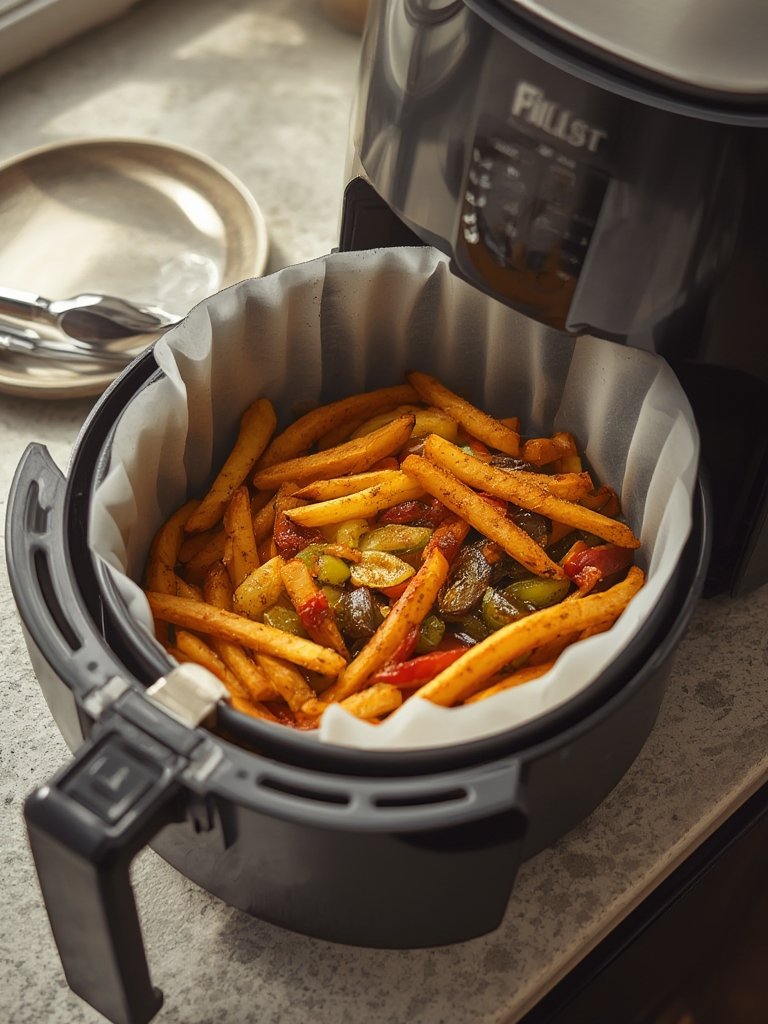
Want more kitchen upgrades? Explore how a magnetic spice rack transforms your space, or how a water filter pitcher helps make meals safer and tastier.
For the ultimate in air fryer technology, see our deep-dive on smart air fryers for advanced features and app controls.
Conclusion: Are Silicone Air Fryer Liners Right for You?
If you use your air fryer often and want to simplify cleanup and cut waste, Silicone Air Fryer Liners are likely a smart upgrade. They’re top sellers for a reason: easy cleaning, durability, and no single-use trash. However, be realistic about the limitations—detailed safety data at high temps, third-party certifications, and quantified user complaints are still lacking in the 2024 market. Stick with food-grade silicone, check for size compatibility, and consider your own cooking style.
Ready to make mealtime easier and greener? Choose a well-rated silicone air fryer liner and experience the convenience for yourself!
Frequently Asked Questions
How do I clean a silicone air fryer liner?
Let it cool, then wash the liner with mild dish soap and warm water. Most silicone liners are dishwasher safe—just place on the top rack. Avoid abrasive scrubbers to prevent damage.
Will a silicone liner fit my air fryer?
Silicone liners come in a range of sizes and shapes. Measure your air fryer basket and check the liner’s product details before ordering. Many brands now offer model-specific sizing.
Are silicone air fryer liners safe at high temperatures?
Quality silicone liners are designed to withstand at least 400°F. While there’s currently no large-scale lab data on chemical leaching at these temps, food-grade silicone is widely used for cookware and considered non-toxic. Always buy from reputable brands.
How long does a silicone air fryer liner last?
A well-made silicone liner can last for months of regular air frying. Its lifespan depends on quality, use habits, and care—avoid cutting, overheating, or rough cleaning for best longevity.
Parchment or silicone: Which saves more money?
If you use your air fryer frequently, parchment or silicone liners pay for themselves over time by replacing hundreds of disposables. For infrequent use, parchment may be more cost-effective, but won’t last as long or provide the same eco-friendly benefits.