


Reusable Paper Towels are rapidly becoming a household staple for those looking to cut down on waste, save money, and shrink their environmental footprint. Yet, switching from single-use paper to washable alternatives isn’t always as simple as it sounds. If you’re curious about how reusable options really stack up, want clear facts about their impact, and need honest advice about practicality and care, this is the guide for you.
Key Takeaways
- Switching to reusable paper towels can replace up to 1,500 single-use sheets per cloth, slashing household paper waste and saving trees.
- The production and washing of reusables is significantly less resource-intensive than traditional paper towels, though washing does use some energy and water.
- Care, durability, and absorbency differ by brand and material, so understanding maintenance and real limits is crucial for long-term satisfaction.
- Why Make the Switch to Reusable Paper Towels?
- How to Use and Care for Reusable Paper Towels: Practical Steps
- Reusable Paper Towels vs. Disposables: Comparing Impact, Cost & Common Issues
- Conclusion: Are Reusable Paper Towels Worth It?
- Reusable Paper Towels: FAQs
Why Make the Switch to Reusable Paper Towels?
Traditional paper towels might seem convenient, but their environmental cost is steep. Each year, an estimated 270 million trees are cut down globally just to produce paper towels, contributing to massive deforestation and loss of wildlife habitat. It’s not just the trees—manufacturing one ton of paper towels takes about 20,000 gallons of water and pollutes an additional 7,000 gallons, according to Excel Dryer. With U.S. households alone generating over 7.5 billion pounds of waste from paper towels annually, landfill impact is enormous.
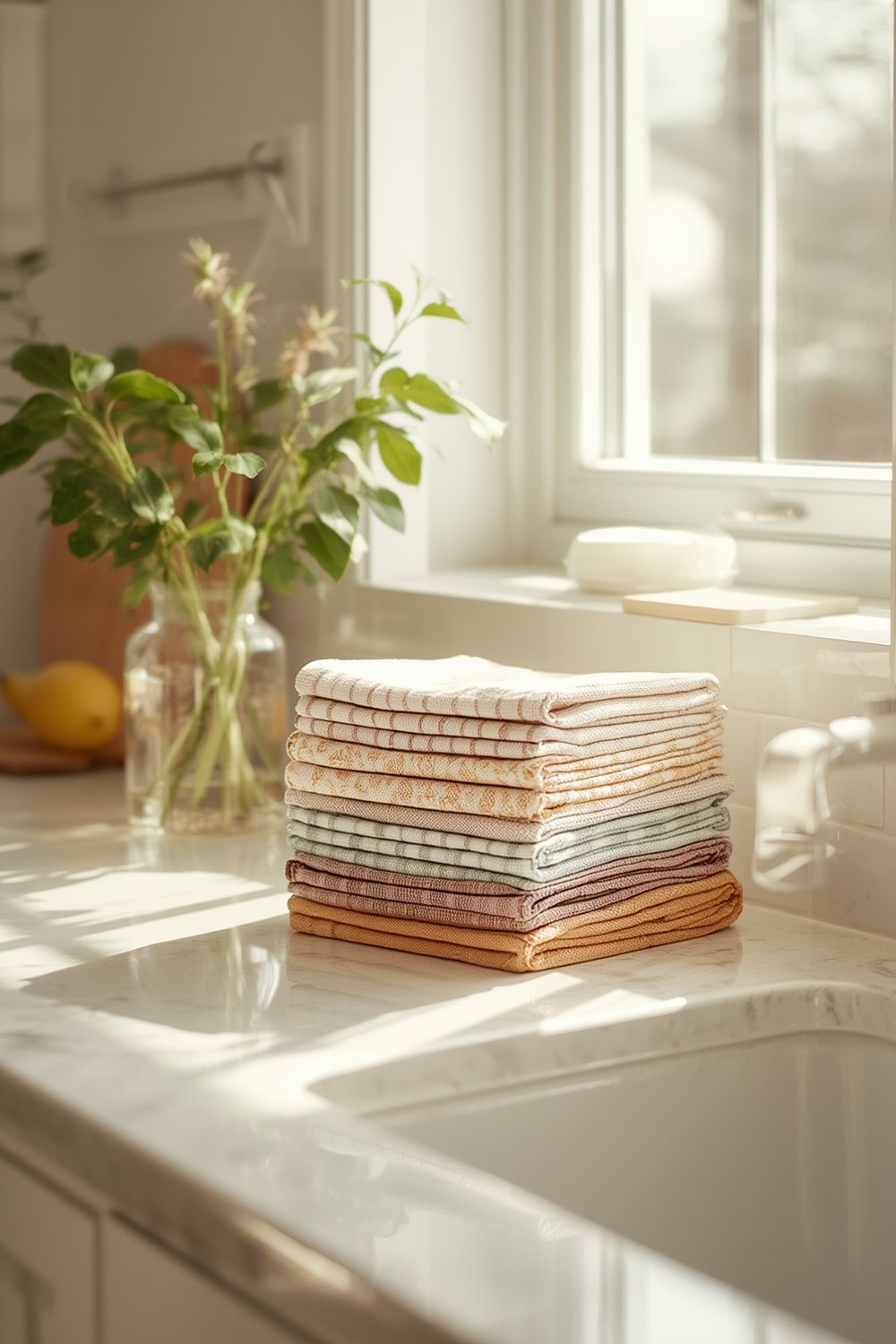
Reusable alternatives, most notably microfiber towels, address these issues head-on. One microfiber cloth can outlast as many as 1,500 paper towels over 300–500 washes, cutting your waste and demand for new resources drastically. Plus, reusables use roughly 80 liters of water per kilogram in production—a fraction of the 2,500+ liters per kilogram it takes to produce paper towels (source).
While single-use eco-friendly options like bamboo or recycled fiber towels are a step in the right direction, their manufacturing and shipping footprint often remains higher than simply reusing a few cloths again and again. Most notably, contaminated paper towels are not recyclable and end up in landfills anyway (Midland Paper).
If you’re passionate about reducing your environmental impact—and want to stop the constant restocking hassle—making the switch to reusables is one of the easiest kitchen sustainability upgrades you can make. For more eco-friendly kitchen tips, be sure to check out our detailed guides on foil alternatives and starting composting at home.
How to Use and Care for Reusable Paper Towels: Practical Steps
Getting started with reusable paper towels doesn’t have to be complicated. Whether you’re using microfiber, bamboo cloths, or another fabric blend, the basics are similar—just a few small changes to your kitchen routine yield big results over the months ahead.
- First Use: Wash new reusable paper towels before use to maximize absorbency and softness.
- Daily Use: Swap them in anywhere you’d use a paper towel—wiping counters, cleaning spills, or drying hands. Most brands are absorbent and durable enough for kitchen messes.
- Between Uses: Hang towels to air dry. For jobs like grease cleanup, rinse thoroughly before tossing into your collection basket.
- Laundering: Machine wash in cold or warm water with similar colors, avoid fabric softener (which can reduce absorbency). Tumble dry low or air dry if possible.
- Rotation: For a family of four, a set of 24–30 reusable towels typically lasts a week before laundry is needed.
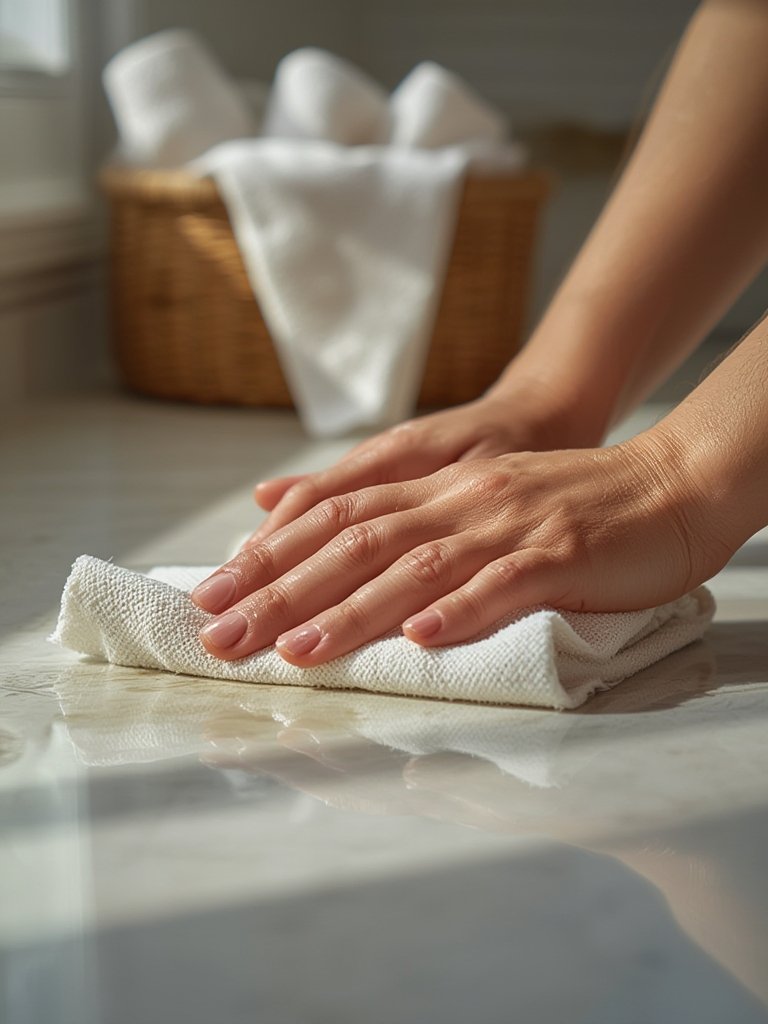
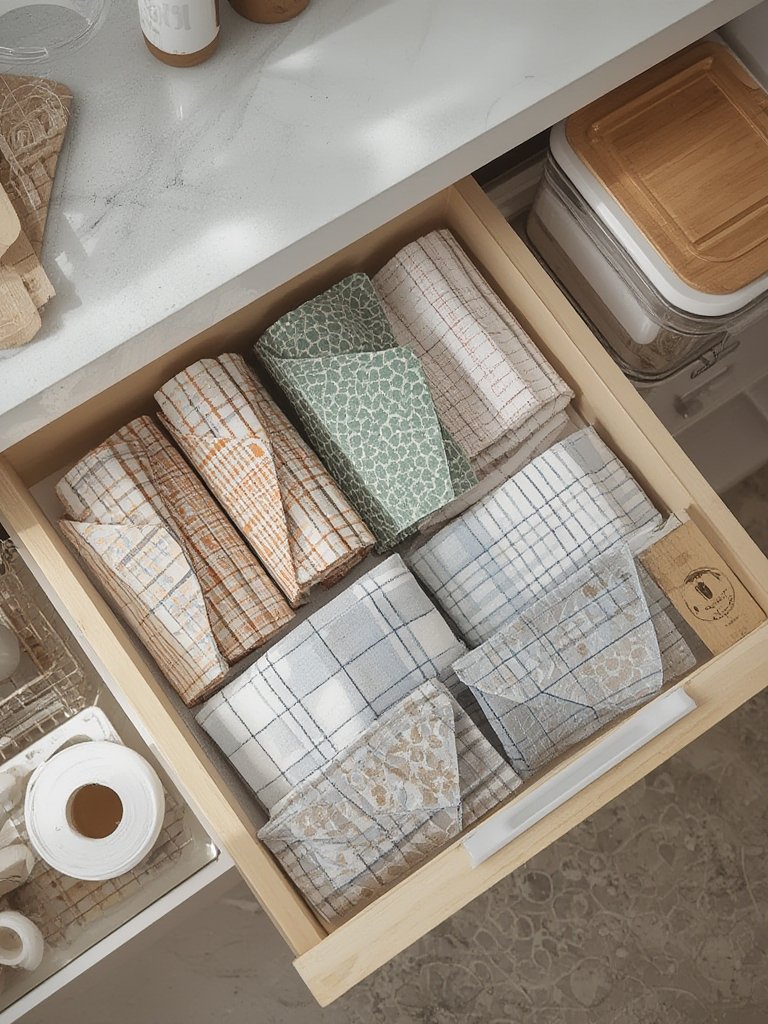
For households that want even less maintenance, some brands offer extra-thick cloths or antimicrobial blends for longer periods between washes. You’ll find in-depth storage tips in our kitchen organization ideas article, making reusable towels fit seamlessly into your routine.
Reusable Paper Towels vs. Disposables: Comparing Impact, Cost & Common Issues
Let’s lay out the concrete numbers and address practical realities many guides gloss over.
Environmental Impact: By the Numbers
| Traditional Paper Towels | Reusable (Microfiber) Towels | |
|---|---|---|
| Resource Use | ~2,500+ liters water/kg; Requires 17 trees per ton | ~80 liters water/kg; No new trees per use |
| Waste Generated | Single-use; 7.58 billion lbs/year (US) | 1 cloth replaces ~1,500 sheets; end-of-life recyclable |
| CO₂ Emissions | 14% of paper/pulp sector; 0.5% US CO₂ | Lower—mostly from washing energy over lifecycle |
| Recyclability | Low if contaminated | Often recyclable at end; lasts 300–500 washes |
Cost Breakdown: The Realistic Picture
An average U.S. family spends $120–$180 per year on conventional paper towels. Eco-friendly single-use options (e.g., bamboo, recycled fiber) cost even more due to production and transport, though they’re growing quickly in popularity [Market.US].
Reusable paper towels cost more upfront—expect $20–$40 for a starter set—but each cloth lasts through 300–500 uses. Over a full year (or several years), you’ll spend far less on replacements, shipping, and storage space. Plus, you’ll save on storing bulky packs of disposables—something families with small kitchens note as a real perk.
For more advice on slimming down your family’s kitchen waste (and costs), try our recommendations for best reusable kitchen products.
Durability, Absorbency & Care Differences
Top-selling reusable towels (nearly all microfiber or absorbent bamboo blends) average 300–500 machine washes, with absorbency that matches or exceeds paper after the first wash. However, not all brands perform equally—cheap microfiber can lose absorbency faster, especially if washed with fabric softener or dried on high heat. Also, expect to do more laundry, which introduces minor energy and water use. But compared to 51,000 trees cut daily for paper towels, it’s a small trade-off (GreenMatch).
One area to watch: while single-use paper towels reduce surface bacteria by 77% in a single wipe, reusables’ hygiene after dozens of washes or cleaning heavily soiled surfaces isn’t as thoroughly studied. Regular hot washing reduces risk, but it’s smart to reserve certain towels for kitchen versus bathroom use.
Curious about microfiber vs. cotton? Our breakdown explains how materials affect lifespan, performance, and comfort.
Conclusion: Are Reusable Paper Towels Worth It?
In summary, reusable paper towels offer a major step forward for any household wanting to reduce waste, save money, and take meaningful action against deforestation and landfill overload. The evidence is clear: they replace thousands of disposables, work well for most everyday cleaning, and pay for themselves within a year or two.
Still, they’re not perfect—expect to tweak your laundry routine and be honest about what tasks truly demand a single-use paper towel. For many, the trade-offs are minimal compared to the benefits. If you’re ready to try Reusable Paper Towels, check out our favorite brands and buying guide for 2024.
Ready to join the change? Start with a small set, try it for a month, and watch both your trash and grocery bills shrink.
Reusable Paper Towels: FAQs
How many reusable paper towels do I need for a family of four?
Most families find that a set of 24–30 reusable towels will last a week before needing to do laundry, covering meal prep, spill cleanup, and general tasks.
Are reusable paper towels sanitary?
Yes, as long as you wash them regularly (ideally every few days). Hot water and regular detergent are usually sufficient, and air-drying or tumble drying helps reduce microbial growth. Avoid letting damp towels sit for long periods to prevent odor.
Can I use reusable towels for raw meat or bathroom cleaning?
It’s safest to keep separate towels for these jobs and wash them on a hot cycle after any contact with raw meat or bathroom surfaces. Many people still keep a roll of disposables for occasional high-risk messes.
What’s the best way to store used reusable paper towels before washing?
A small open bin or mesh bag with good airflow prevents mildew. Avoid sealing wet towels in airtight containers—let them air dry first if possible.
Do microfiber reusable towels shed microplastics or harm the environment?
Some microfiber can shed small fibers when laundered. Using a washing bag designed to catch microfibers (like the Guppyfriend) reduces this. When possible, recycle worn-out towels through textile recycling programs.