


How to take care of quartz countertops is not just about wiping spills—it’s about using the right routine to avoid stubborn stains, dull spots, and costly damage. If you’ve just installed quartz countertops or inherited them, you want them to look as gorgeous as the day they were installed—with as little fuss (and risk) as possible.
Key Takeaways
- Immediate cleaning and the correct daily routine prevent nearly all stains and surface problems on quartz countertops.
- Weekly film build-up removal and emergency spill response for chemicals are two deep care factors most homeowners—and most guides—miss entirely.
- Using the wrong product or tool not only risks visible damage but is the #1 way to accidentally void your quartz warranty.
- Quick start — daily wipe and immediate spill protocol
- Weekly and monthly maintenance schedule (what to do and why)
- How to safely remove stubborn stains and dried residues
- Immediate protocol for corrosive or harsh-chemical exposure (critical but undercovered)
- Preventing and removing film build-up / water spots (one of the 3 deep gaps)
- What NOT to use — common mistakes that cause damage
- Tools and product recommendations (types, examples, and chemical ingredients to avoid)
- Differences in care vs. granite, marble, and laminate (brief comparison)
- Heat, UV, seams and long-term appearance care
- Warranties — what commonly voids them and how to document care
- Costs, DIY vs professional cleaning, and when to call a pro
- Troubleshooting quick-reference (cheat sheet + 30/60/90-day checklist)
Quick start — daily wipe and immediate spill protocol
For most homeowners, caring properly for quartz starts with the easiest routine: a daily wipe and instant spill response. Why so critical? Research consistently shows that the majority of visible stains—especially from wine, vinegar, citrus, coffee, and tomato sauce—occur because spills weren’t wiped up immediately. This not only prevents stubborn stains but also drastically extends your countertop’s lifespan.
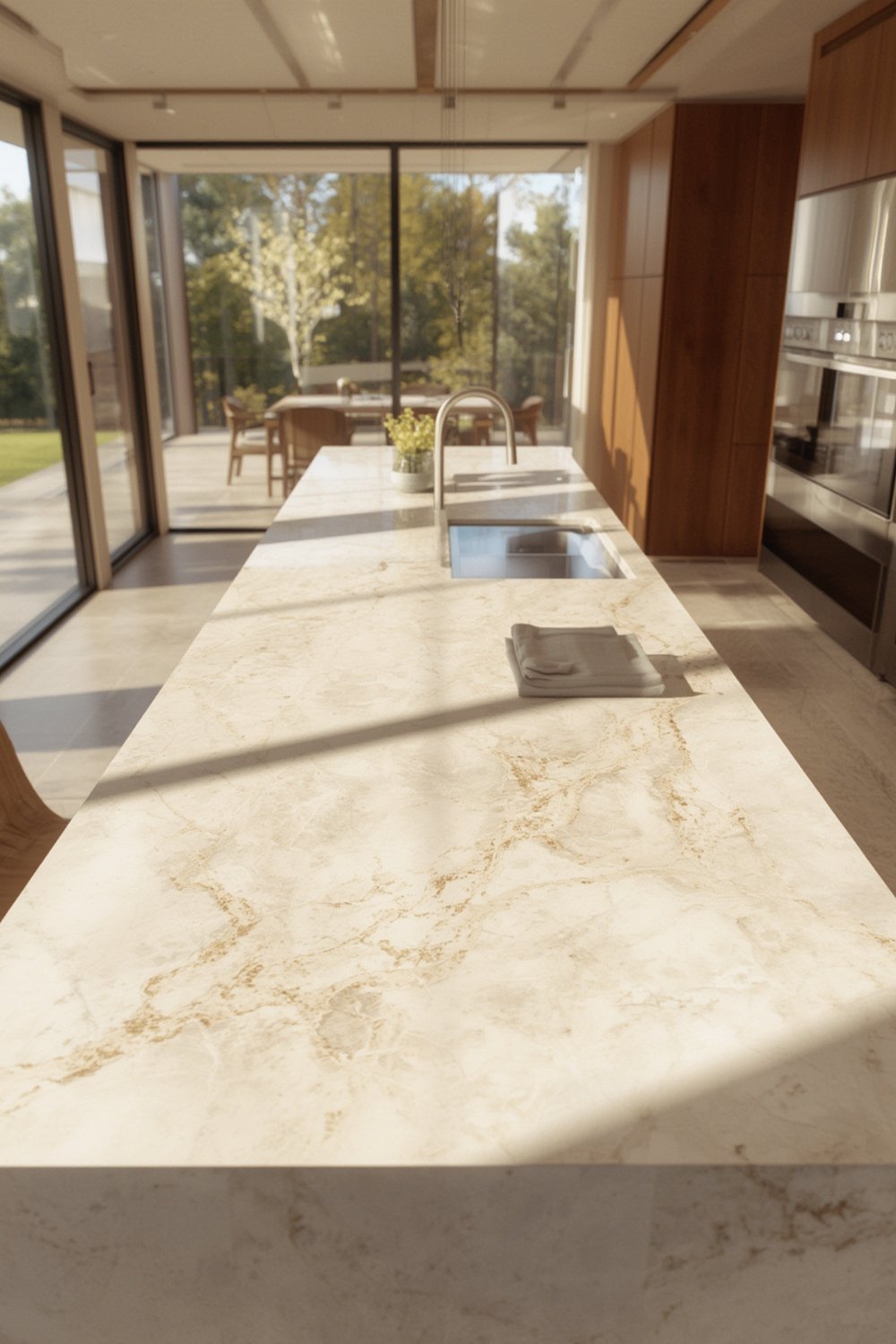
Daily 1-Minute Routine:
- Damp a clean microfiber cloth with warm water. For sticky spots, add a single drop of mild dish soap before wiping.
- Gently wipe the entire counter. Skip the scrubbing—let the cloth do the work.
- Immediately dry the surface using a dry microfiber towel to prevent streaks and water spots.
Immediate Spill Protocol:
- Blot liquid spills with a dry cloth or paper towel—don’t wipe, as this can spread the stain.
- Follow with a damp microfiber cloth and mild dish soap if needed.
- Rinse and dry the area right after cleaning.
This daily habit takes less than 2 minutes and can prevent over 90% of long-term marks, according to leading care guides. For families or heavy cooks, this truly adds years to your quartz’s pristine finish.
Weekly and monthly maintenance schedule (what to do and why)
Going beyond the daily basics, quartz countertops stay their best with a steady, low-effort maintenance plan. The key is not just in what you do—but how often you do it.
Step-by-Step Maintenance Plan:
- Every Day: Quick wipe with microfiber + water or mild dish soap (see above).
- 1–2× Per Week: Do a more thorough wash—use mild dish soap and a non-abrasive sponge on the whole surface, rinse, and dry well.
- Every Week: Apply a diluted alcohol spray (or a commercial quartz film remover) to all visible areas. Wipe and buff dry for a glossy, haze-free look. This targets sticky film and hard water marks that accumulate over time.
- Once a Month:
- Inspect for: chips near sinks, loose seams, and dull patches.
- If found, note the area and monitor for change. If you see worsening, contact your fabricator or the surface manufacturer—they can advise on repair before things get worse.
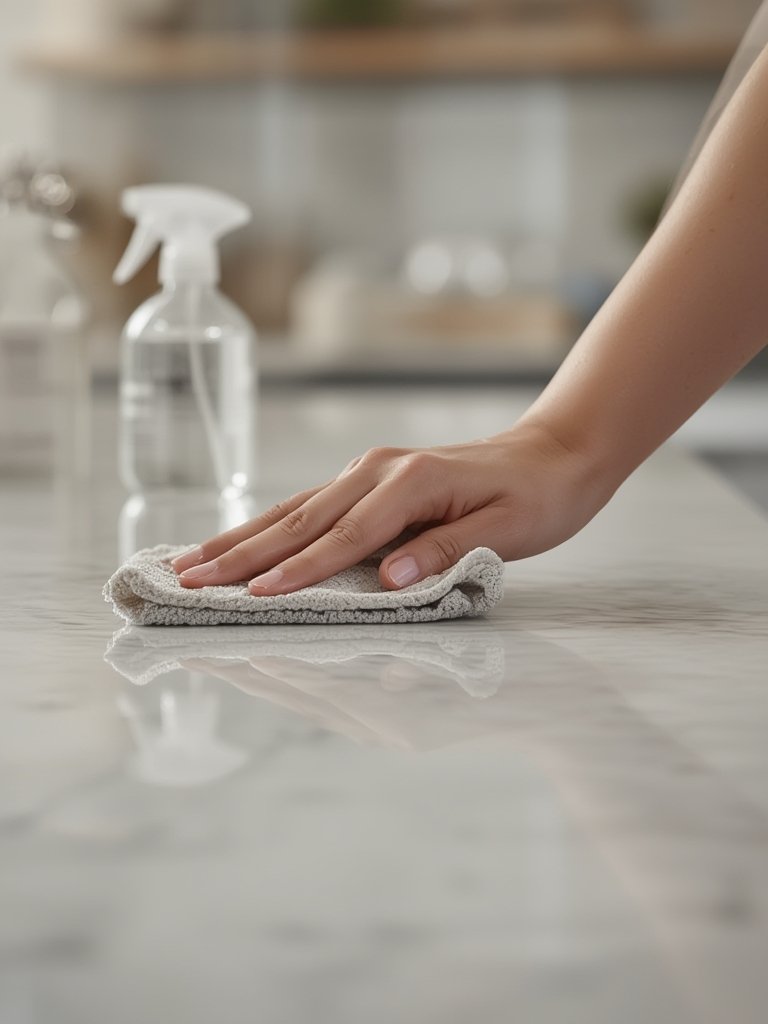
Why stick to this cadence? Research explains that most film build-up and stubborn residues result from not cleaning often enough—or using too much detergent that isn’t rinsed away (see full research). A simple, consistent schedule makes major cleaning jobs almost obsolete.
If you’re passionate about organized routines, check out our kitchen drawer organizer guide for more ways to simplify your kitchen.
How to safely remove stubborn stains and dried residues
Even with perfect habits, life (and red wine) happens. Not all stains come up with just soapy water—the trick is to use the least aggressive method that works, and never escalate to abrasives or harsh chemicals that destroy quartz’s resin binders.
Graduated Stain Removal Protocol:
| Step | What to Use | Exact Instructions | When to Stop |
|---|---|---|---|
| 1 | Mild Dish Soap & Water | Apply with soft sponge, let sit 2 min, wipe clean. | Stain disappears? Dry and done. |
| 2 | Non-Abrasive Surface Cleaner | Use a quartz-safe cleaner or diluted alcohol spray, leave for 3 min (never longer), wipe and rinse. | If surface becomes sticky or looks dull, stop. |
| 3 | Plastic scraper | Gently lift dried residue (chewing gum/paint) at very shallow angle. | If mark persists, stop—don’t force! |
| 4 | Commercial Quartz Stain Remover (Non-Bleach) | Spot test a small area. Follow manufacturer dwell time exactly, rinse thoroughly. | Rinse immediately if you see surface change—call a pro. |
Never use: steel wool, abrasive pads, bleach, oven cleaner, or anything that says “industrial.” These are the most common cause of accidental quartz surface destruction—and are specifically banned in most warranties (source).
If you also have butcher block counters, see our care guide for more natural cleaning tips.
When should you call a pro? If your stain doesn’t fade after steps 1–3, if you see a dull “fog” or rough texture, or if the surface feels soft or pitted, it’s time to document the issue and contact your countertop manufacturer/fabricator before further DIY attempts.
If stubborn issues keep returning, consider a professional evaluation—some chemical stains can be reversed if treated promptly.
For more deep-cleaning inspiration for other appliances, try our cordless vacuum cleaner guide.
Immediate protocol for corrosive or harsh-chemical exposure (critical but undercovered)
Accidents happen—perhaps a bottle of oven cleaner spills, or you accidentally drop bleach or vinegar on your quartz. Fast, correct action is essential: chemical exposure can etch or bleach a quartz surface within minutes, permanently ruining the finish.
Emergency Response Steps:
- Rinse the affected area immediately with LOTS of cool, clean water—do not scrub! Use a cup or pitcher to flood the zone.
- Gently blot with a soft, dry cloth. Don’t use paper towels if the chemical is still present—they can shred and worsen issues.
- If safe and recommended (check your quartz manufacturer), neutralize residues (for strong acids: use a dilute baking soda solution; for bases: use vinegar and water—spot test and only if advised).
- Rinse again thoroughly and blot dry.
- Document the incident—take photos, note the exact chemical, and the time duration of contact.
- Contact your manufacturer or fabricator for next steps if you observe discoloration, roughness, or permanent spots.
Read more about quartz’s unique chemical sensitivity here.
Why this matters: Research highlights that most quartz care sites don’t even mention this type of protocol, even though it is the difference between a harmless spill and a tragedy for your kitchen investment.
Preventing and removing film build-up / water spots (one of the 3 deep gaps)
Film build-up—dull haze, cloudy residue, or water spots—slowly robs quartz countertops of their gloss. This usually happens due to using too much soap, not rinsing well, or hard tap water. What’s missing from most guides? A formula and a routine for beating—and preventing—film for good.
Recipe for Weekly Film Removal:
- Mix 1 part 70% isopropyl alcohol with 3 parts water in a spray bottle.
- Lightly spray over the entire surface. Let it sit for 1–2 minutes (never longer).
- Wipe clean with a fresh microfiber cloth using circular motions.
- Buff dry with a separate dry microfiber towel to restore gloss.
Commercial quartz film removers (labeled “non-abrasive”) are also effective and safe if alcohol isn’t available—just avoid any that contain bleach, ammonia, or abrasive grit.
Prevention Tactics:
- Use only a small amount of mild soap—more isn’t better.
- Always rinse with clear water and dry immediately after cleaning, especially if you have hard water.
- Make weekly alcohol/film removal a habit, not an emergency. This truly keeps your quartz crystal clear.
Most major quartz care failures are completely avoidable with this one simple weekly step (learn why here).
For another high-gloss kitchen secret, read about smart air fryers—great for countertop safe cooking.
What NOT to use — common mistakes that cause damage
The most common—and most expensive—mistakes in quartz care are products and tools that seem innocent, but cause micro-dulling, etching, or discoloration. Most of these will also void your warranty.
- Never use:
- Vinegar, lemon juice, or any acidic natural cleaner (citrus, lime, etc.)
- Bleach, Clorox wipes, or Windex
- Abrasive powders or scouring pads
- Steel wool, metal scrapers, or razor blades
- Oven cleaner, toilet bowl cleaner, or industrial degreasers
- Products containing hydrofluoric acid
- Common user mistakes:
- Letting spills sit more than a few minutes (especially wine, tomato, coffee, citrus)
- Scraping stuck-on food with a metal tool or putty knife
- Using too much soap or cleaner without rinsing it fully
If you’re trying to cut back on paper towels during cleaning, see our reusable paper towels guide for more eco-friendly options.
Tools and product recommendations (types, examples, and chemical ingredients to avoid)
You don’t need stone labs or specialty cleaners—most of what you need is already in your kitchen, but choosing the right items makes all the difference.
Recommended Tools:
- High-quality microfiber cloths (won’t scratch or leave lint)
- Soft, non-abrasive kitchen sponges
- Plastic razor or scraper (for sticky residue only, never for heavy-duty cleaning)
Safe Cleaners:
- Mild dish soap (Dawn, Seventh Generation, and similar)
- Simple antibacterial soap (for routine use)
- Diluted isopropyl alcohol (70% or less), great for weekly film removal
- Quartz-specific commercial cleaners (labeled “non-abrasive” and “no bleach”)—brand is less important than the ingredient list
Avoid any product containing:
- Strong acids or alkalis
- Acetone (nail polish remover)
- Bleach, ammonia, or chlorine compounds
Research found no clear “best” brand of quartz cleaner—so stick with simple, gentle ingredients you trust. If in doubt, check the safety sheet or ask your fabricator.
Differences in care vs. granite, marble, and laminate (brief comparison)
Caring for quartz is not the same as granite, marble, or laminate. Here’s why:
- Quartz: Engineered stone—non-porous, but the resin binding it is sensitive to acids, alkalis, bleach, and heat. Never needs sealing but will be etched or discolored by harsh chemicals.
- Granite: Natural stone, typically requires sealing. Tolerates mild acids/alkalis better, but some granites can also stain and dull if left wet. Check what your granite is sealed (or not) with.
- Marble: Highly sensitive to acidic spills—wine or vinegar can etch in minutes. Needs regular sealing and uses only pH neutral stone cleaners.
- Laminate: Basically a printed plastic over fiberboard—not stone at all. Can tolerate more cleaning products but is easily scorched by heat and is not scratch-resistant.
Key takeaway: Just because a product is “stone-safe” or “multi-surface” doesn’t mean it’s quartz safe. Understand quartz’s unique care here. If you’re not sure what your countertop is, double-check before using any new product.
Heat, UV, seams and long-term appearance care
Quartz offers good heat resistance for ordinary use, but isn’t fireproof: setting hot pans or skillets directly on quartz can discolor, scorch, or even crack it. Long-term UV (sunlight) exposure can fade the surface or cause yellowing over years, especially in bright kitchens.
- Prevent Heat Damage: Use trivets, hot pads, or boards under every pan, slow cooker, or baking sheet.
- UV Exposure: Try to keep direct sunlight off your quartz if possible. Add UV film to nearby windows or choose curtains for extra protection—especially in south-facing kitchens.
- Seam and Joint Care: Inspect seams monthly—look for signs of lifting, cracking, or separation, especially around sinks and cooktops. If you spot movement, contact your installer before water can seep in.
- Gloss/Appearance: Buff lightly with a dry microfiber after every weekly cleaning to preserve surface shine. Never use furniture waxes or polishes not made for quartz.
Remember, long-term appearance is as much about prevention as daily cleaning. Carefully placed kitchen appliances—like an electric lunch box or smart air fryer—can also reduce counter wear zones over time.
Warranties — what commonly voids them and how to document care
Quartz warranties are powerful—until they’re not. Manufacturers say they are most commonly voided by harsh cleaners, abrasives, metal tools, or neglecting immediate spill clean-up. Even a single mistake can give manufacturers grounds to deny a claim.
- Never use a non-recommended cleaner (check the label).
- Do not use abrasive tools, pads, or scrapers—document everything if a problem arises.
- Log every “incident” with photos: date, location, and what was spilled or tried as a remedy.
Sample Countertop Care Log:
| Date | Event | Action Taken | Result |
|---|---|---|---|
| 2024-04-01 | Wine spill near stove | Blotted, soapy water, dried | No stain |
| 2024-05-12 | Oven cleaner contact | Immediate rinse, contacted fabricator | Surface ok |
Keep your purchase documents, photos, and this log. If you ever need to file a warranty claim, this proof makes the process faster and increases your chance of approval. For warranty advice, consult your fabricator or manufacturer guidance.
Costs, DIY vs professional cleaning, and when to call a pro
The positive news? Routine cleaning quartz countertops is almost zero-cost beyond your time and a bottle of dish soap or alcohol. Research did not find any typical cost data for DIY maintenance or professional cleaning, but here are real-world scenarios:
- DIY Routine: Low investment—annual costs usually under $20 for basic supplies (soap, microfiber).
- Professional Deep Cleaning or Restoration: Costs vary widely by region, typically only needed for major stains, chips, or chemical damage. Always get multiple quotes before agreeing to service. Ask for references and what products will be used—avoid anyone who insists on bleach or abrasive methods.
- When to Call a Pro: Persistent stains after following all care steps. Visible fogging, soft spots, cracks, or exposed seams. Suspected chemical erosion. Regular care logs speed this process.
Learn more about smart home upgrades in our ice bath tub guide.
Troubleshooting quick-reference (cheat sheet + 30/60/90-day checklist)
Bookmark or print this sheet for the most common quartz countertop problems and solutions.
| Problem | First 30 Minutes | First 24 Hours | Escalate (When) |
|---|---|---|---|
| Red wine/coffee/tomato spill | Blot and clean with soap/microfiber | Spot clean again, check for ghost stain | Still visible after 2 attempts: call fabricator |
| Dried paint, gum, glue | Gently scrape with plastic blade, then wash | Use commercial remover if needed | Surface scratches or remains: call a pro |
| Bleach/oven cleaner spill | Flood with cool water, blot dry | Watch for dullness/discoloration | Any change or roughness: document and call manufacturer ASAP |
| Cloudy film/hard water spots | Spray with diluted alcohol, microfiber wipe | Repeat; buff dry | Film recurs or doesn’t clear: check water source; call pro |
| Visible chips or seam gaps | Take photos, avoid water entry | Monitor for growth | Grows or is near sink: contact installer |
90-Day Preventive Checklist:
- Daily wipes completed consistently
- Weekly film removal not skipped
- Seam and gloss check each month
- No use of restricted cleaners or tools
- All incidents logged (with photo if possible)
Staying proactive—just a few minutes per week—will keep your quartz countertops worry-free and warranty-safe for years.
For more countertop care, see our full range of kitchen guides:
Portable Blender Guide,
Milk Frother Tips
Quartz Countertop FAQ
How do I restore a dull or hazy spot on my quartz countertop?
Start by spraying the area with diluted isopropyl alcohol (70%) and wipe with a clean microfiber cloth. If haze remains, use a quartz-specific film remover. Persistent dullness may indicate chemical or abrasive damage; consult your fabricator before trying stronger solutions.
Can I use disinfectant wipes on quartz counters?
Avoid standard disinfectant wipes (like Clorox or Lysol) because they often contain bleach or harsh chemicals. Instead, use diluted antibacterial soap and water, or quartz-safe sprays. If in doubt, always check the product label for forbidden ingredients.
Is it safe to put hot pans directly on quartz?
No. Even though quartz is heat-resistant to an extent, direct contact with hot pans, oven trays, or small appliances can scorch, discolor, or crack your countertop. Always use trivets or heat pads.
How can I tell if a cleaner is quartz-safe?
Check that it’s non-abrasive, neutral pH, and contains no bleach, ammonia, vinegar, lemon, or strong solvents. Always test a new product in an inconspicuous spot first and avoid any labels promising “heavy-duty” or “deep-cleaning” unless specifically for quartz.
“`