


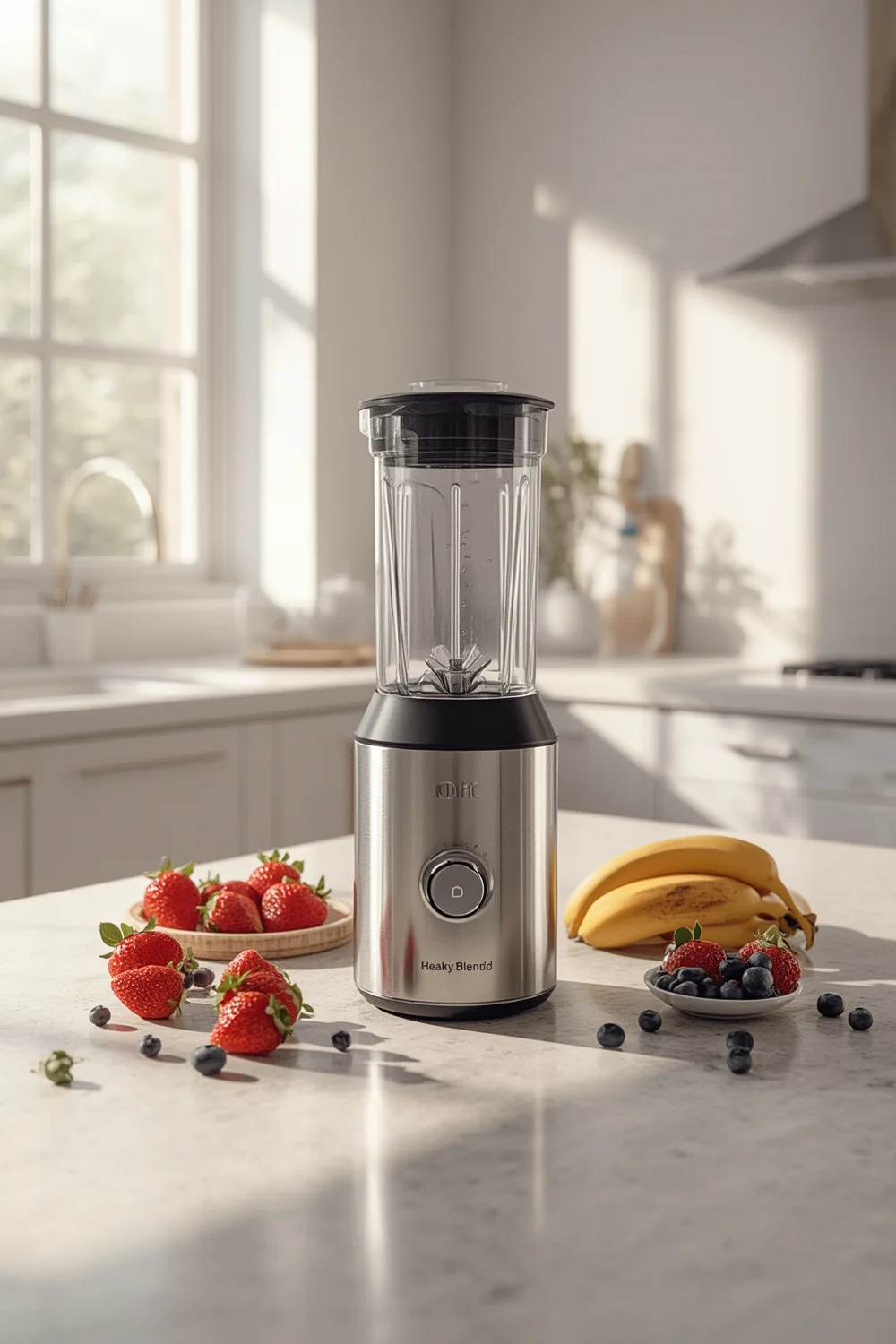
Portable Blender options are exploding in popularity for anyone seeking smoothies, protein shakes, and fresh juices on the go. Whether you crave convenience at the gym, office, or during travel, a portable blender gives you blending power wherever you need it. But with so many models advertised as USB rechargeable or “travel friendly,” how do you choose the best one for your real-life needs?
Key Takeaways
- The global portable blender market is valued between USD 151.5 million and USD 233.2 million in 2024, with USB rechargeable models leading innovation.
- Key differentiators for USB blender models include improved battery technology, smart features, and a shift away from disposable batteries for environmental benefits.
- Success with portable blenders depends on choosing the right technical specs and being aware of common pitfalls and realistic limitations for on-the-go use.
- What Is a Portable Blender (and Why Are USB Models Trending)?
- How to Pick, Use, and Love Your Portable Blender: Step-by-Step Guide
- Common Pitfalls, Realistic Drawbacks, and Advanced Market Insights
- Conclusion: Should You Buy a Portable Blender?
- Frequently Asked Questions
What Is a Portable Blender (and Why Are USB Models Trending)?
A portable blender is a compact device designed to blend smoothies, shakes, juices, or baby food directly in its travel-friendly container. Unlike heavy countertop units, these blenders let you prep drinks anywhere—no kitchen required. Today’s USB rechargeable blenders are especially popular, offering eco-friendly, wire-free convenience plus the latest tech features.
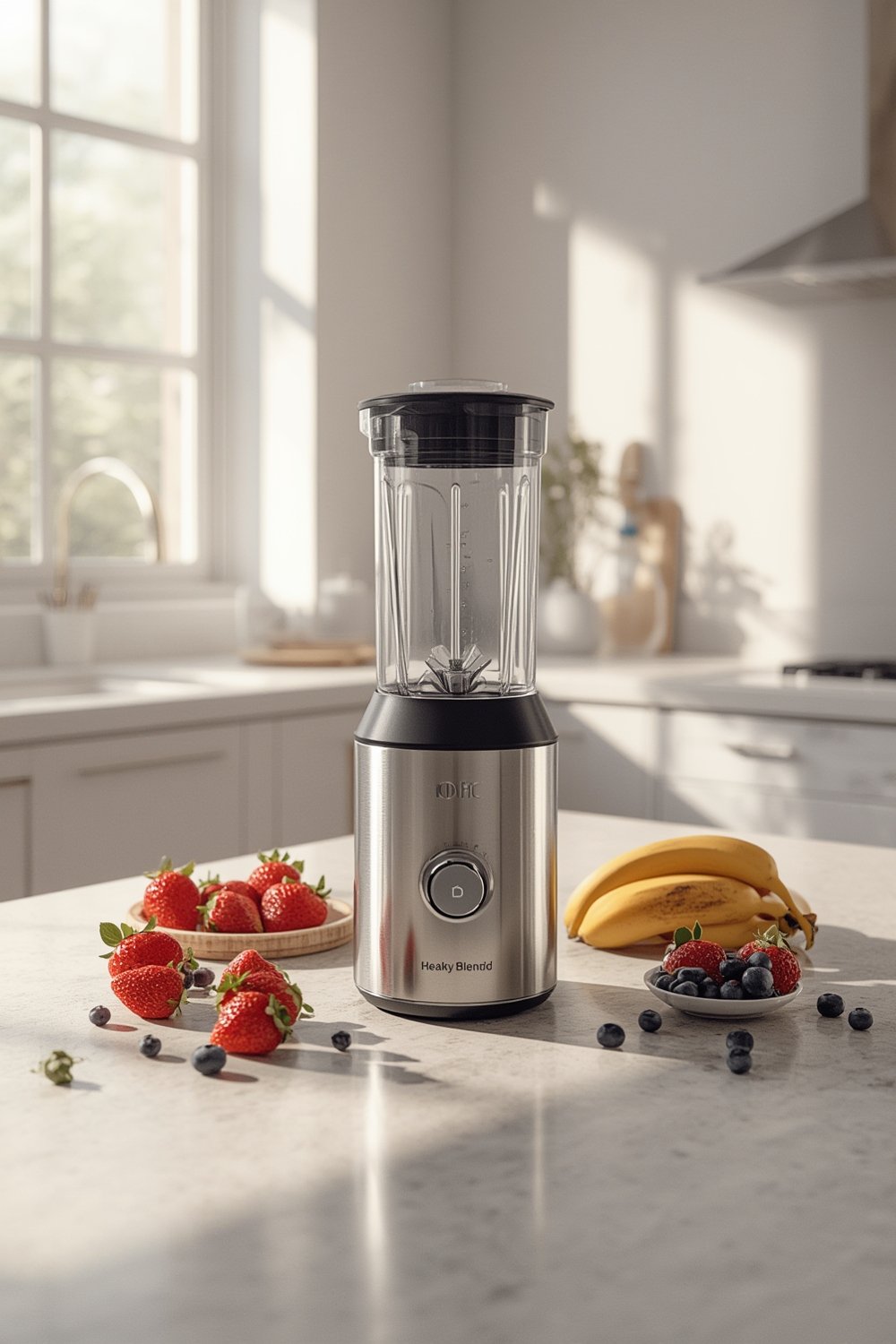
The market for portable blenders is surging—estimated between USD 151.5 million and USD 233.2 million in 2024. USB chargeable models are an exciting innovation, favored for their environmental impact and easy recharging through a standard USB port. North America leads with over 30% market share, and single-blade designs are the most common. Interest has also grown thanks to smart features, like app controls and Bluetooth connectivity, which traditional battery-powered blenders usually lack.
If you’re new to blending on the go or want a kitchen gadget that travels with you, a portable blender makes convenient, healthy nutrition realistic beyond your home. Still, there are practical factors and some compromises to recognize before you buy or upgrade. Explore the steps and the often overlooked pitfalls below for a smarter purchase.
How to Pick, Use, and Love Your Portable Blender: Step-by-Step Guide
Unlike standard appliances, a portable blender’s true appeal lies in its anytime-anywhere flexibility. To make the right choice and avoid common missteps, follow these actionable steps before and after your purchase:
-
Clarify Your Use Case
Will you use your blender mostly at the office, gym, or for travel? Power, size, and safety features matter more if you expect heavy use or frequent packing. Learn more about how to shop for practical kitchen gadgets via our Portable Smoothie Makers Review guide. -
Compare Battery and Charging Features
Prioritize USB-charged models. While battery life info is rarely advertised, look for products offering at least 8-12 blends per charge and a recharge time of 2-3 hours. Lack of reliable battery details is a common weak spot in cheaper models. Find more USB kitchen innovation tips in our post on USB Kitchen Gadgets. -
Review Blade and Motor Specs
single-blade models lead the portable blender market, but double or multi-blade models often handle ice and fibrous vegetables better. Modern products take advantage of improved motor driver technology for efficient and compact power. Be wary of units that claim high RPM but lack info on blend quality. -
Verify Tank Capacity
For travel, 10-16oz (300-450ml) is ideal. Larger containers are harder to pack and carry. Discover more about ideal travel blenders if portability is your main goal. -
Look for Real Safety Features
At minimum, seek auto-shutoff, overcharge protection, and secure lock mechanisms to prevent accidental starts while cleaning or carrying. Many competitor reviews gloss over this—check real user photos and comments for details in addition to specs. -
Assess Cleaning and Maintenance Factors
Removable blades and dishwasher-safe parts are convenient, but not universal. Cup-bottom-powered units are riskier to clean. Learn more about safe small appliance cleaning in our Blender Cleaning Tips article. -
Test Performance with Real Ingredients
A model that easily blends fruits may struggle with nuts or leafy greens. Test your recipes in the first week—return unsatisfactory items within the provider’s return window. Tips for recipe testing can be found in our On the Go Blending Hacks roundup. -
Always Review Warranty and Customer Support
Short warranties or vague support channels are red flags. The best portable blender brands clearly detail both.
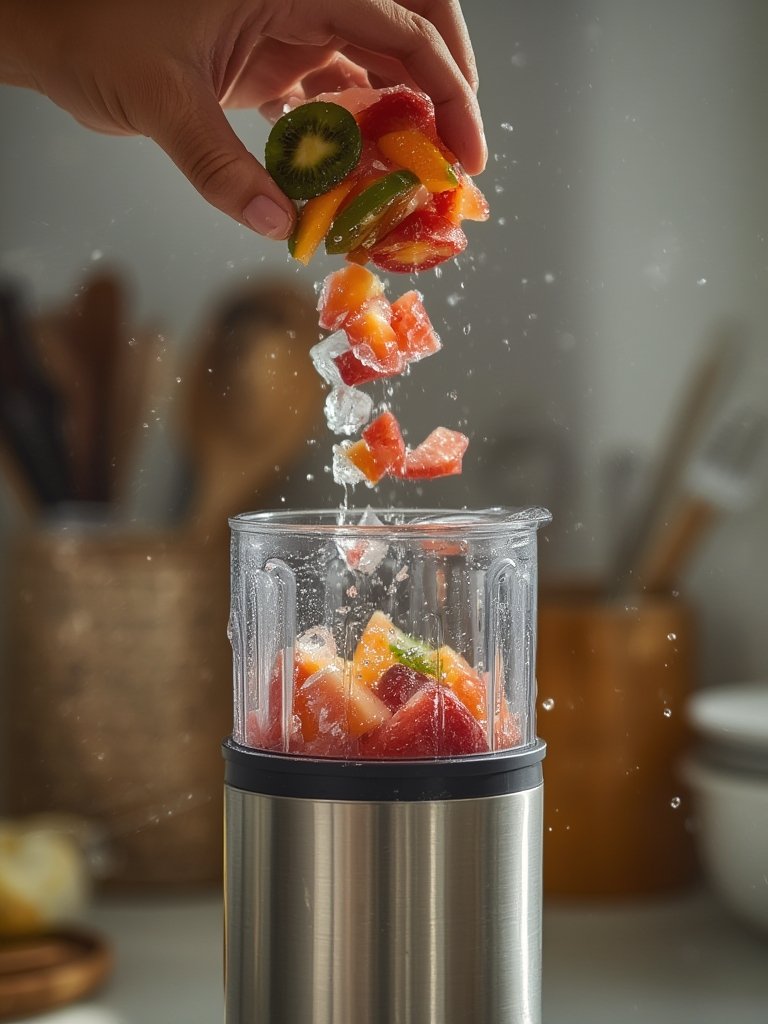
These steps—especially analyzing charging and safety features—help maximize your blending convenience and avoid costly returns.
Common Pitfalls, Realistic Drawbacks, and Advanced Market Insights
Portable blenders aren’t perfect. Several recurring issues can affect your satisfaction, particularly with the USB rechargeable segment:
-
Fragmented Battery Performance Information
Most brands market “long battery life” but rarely specify blend count per charge or actual recharge times. If you need a portable blender for extended use away from outlets, finding a model that meets your usage expectations takes careful research—or accepting some trial and error. -
Variable Blending Power
Single-blade blenders, which dominate the market segment, tend to struggle with ice or harder ingredients even with modern motors. Multi-blade options add performance but can mean higher prices or lower battery life. -
Potential Safety Oversights
Some low-budget models lack needed lockouts and can start accidentally—dangerous if you’re traveling with kids or tossing the blender into a bag. -
No Universal Charging Standard
Although USB-C ports and mobile compatibility are becoming more common, some legacy models still use mini-USB, limiting replacement options. -
Inconsistent Cleaning Ease
Not all portable blenders offer dishwasher-safe components, and tightly-sealed motors can trap moisture if cleaned improperly.
| Feature | USB Rechargeable Blenders | Traditional Portable Blenders |
|---|---|---|
| Power Source | Rechargeable battery (USB cable) | Disposable batteries or AA/AAA |
| Convenience | Recharge anywhere via powerbank/laptop | Must replace batteries, less eco-friendly |
| Smart Features | Bluetooth/app connectivity on select models | Rare to nonexistent |
| Motor Power | Improved with motor driver tech advances | Generally weaker, less efficient |
| Environmental Impact | Reduced battery waste | Higher waste due to disposables |
| Cleaning | Varies; many are dishwasher safe | Varies; design may be less user-friendly |
For more exhaustive technical and market analysis, consult reliable sources like the Market.us 2024 Portable Blender Market Report or the Grand View Research Portable Blender Data.
Missing or vague technical specifications—like precise blade speed, capacity, and battery rating—are common, particularly among value and off-brand options. Demand transparency from sellers before you buy to avoid frustration. If possible, try to verify claims with official documentation or direct brand support.
Conclusion: Should You Buy a Portable Blender?
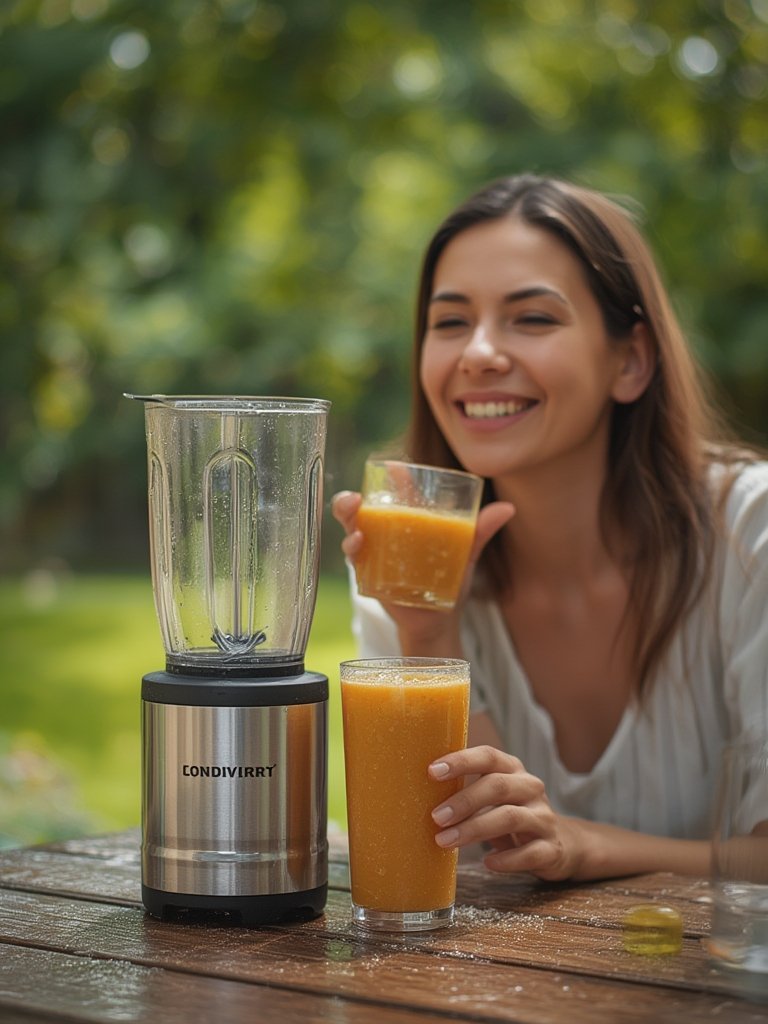
A portable blender can be an incredibly useful tool for active lifestyles, regular travelers, or anyone who wants healthy drinks without kitchen boundaries. The latest market data confirms high demand and increasing innovation—especially for USB rechargeable models. However, knowing what to look for and understanding the realistic limitations are key for long-term satisfaction.
The bottom line: if you choose wisely, the right Portable Blender will make healthy blending easy and practical wherever you are. Ready to find the best fit for your bag? Explore our latest buying guide here or check out current deals on leading portable blender brands today.
Frequently Asked Questions
How many blends can a USB portable blender make per charge?
Most quality USB portable blenders deliver 8-12 blends per full charge, though some premium models may last longer. Always check the mAh specification and consider your routine before buying.
Can portable blenders crush ice?
Single-blade or low-powered models usually struggle with ice or frozen fruit. Look for multi-blade models with strong motors if you plan to blend hard ingredients frequently.
Are USB portable blenders safe for air travel?
Most portable blenders are carry-on safe, but airlines may require the battery to be removed or limits on lithium battery capacities. Always double-check the latest TSA and airline regulations.
What’s the best way to clean a portable blender?
Choose blenders with removable blades and dishwasher-safe parts. For others, add water and a drop of dish soap, blend for 30 seconds, then rinse thoroughly.
Are portable blenders worth it for meal prep?
If you prep single servings or value convenience over maximum power, a portable blender is worth it. For larger quantities or tougher ingredients, a full-sized blender may be better suited.