


Opening cabinets in cold weather is a household tip you’ve probably heard from friends, plumbers, or even official advisories. But should you actually do it, and what are the real pros and cons? If you’re a homeowner worried about frozen pipes, skyrocketing bills, or major water damage, this guide breaks down the evidence, the trade-offs, and offers practical steps based on the latest research and real-world lessons.
Key Takeaways
- Opening cabinets in cold weather is a valid, practical short-term step to help prevent frozen pipes—but it’s not a cure-all.
- The method works by letting warmer indoor air reach pipes usually isolated behind closed doors, but its effectiveness depends on insulation, pipe location, and outdoor temperatures.
- Long-term prevention should combine cabinet opening with pipe insulation, controlled dripping, heat tape, and good home maintenance; repair costs for burst pipes can exceed $20,000.
- Quick answer — should you be opening cabinets in cold weather?
- Why do people open cabinets when it’s cold — the mechanism explained
- What the evidence actually shows (experiments vs. studies)
- How and when opening cabinets can fail — limitations to know
- Real homeowner consequences of not taking action
- Energy and cost trade-offs — what mainstream advice usually leaves out
- Official guidance and building codes — what authorities say
- Alternatives and how they compare (insulation, heat tape, dripping faucets, thermostat)
- Practical step-by-step checklist for homeowners (short-term and long-term)
- Cost comparison: preventive time/cost vs average repair scenarios
- Short FAQ / myth-busting
- Sources and further reading
Quick answer — should you be opening cabinets in cold weather?
If you’re wondering, “why do you open cabinets when it’s cold?” the answer is grounded in prevention, but the story isn’t black and white. Opening cabinet doors—especially under kitchen and bathroom sinks along exterior walls—is a free and simple step. It lets the warmth of your home bathe pipes that would otherwise be stuck in a chilly, closed-off space. This small act is widely advised during severe cold snaps for good reason: it can help reduce your risk of pipes freezing and bursting.
But don’t stop there—opening cabinets in cold weather is a “layered defense” tactic. It works best in combination with other measures like dripping faucets, insulating pipes, and maintaining indoor heat. It’s not a guarantee; in extreme cold, poor insulation, or tricky plumbing setups, this tip alone won’t prevent frozen pipes. Still, since it’s instant and costs nothing, it’s a smart response when temperatures plunge overnight or if you’re caught off-guard by a cold front. (source, Texas Dept. of Insurance)
Why do people open cabinets when it’s cold — the mechanism explained
The logic behind opening cabinets in cold weather is straightforward: pipes inside base cabinets on exterior walls are often most at risk. When you close those doors, you trap cool air, turning that cabinet into something like a mini fridge for your pipes. Even if the room feels warm, the cabinet interior can be much cooler, especially at night or in drafty homes.
By opening the cabinet doors, warm air from your home—typically in the 68–72°F range—can reach the pipes and help buffer against plummeting temperatures. Closed cabinetry blocks this airflow, amplifying cold drafts from poorly insulated walls and floors.
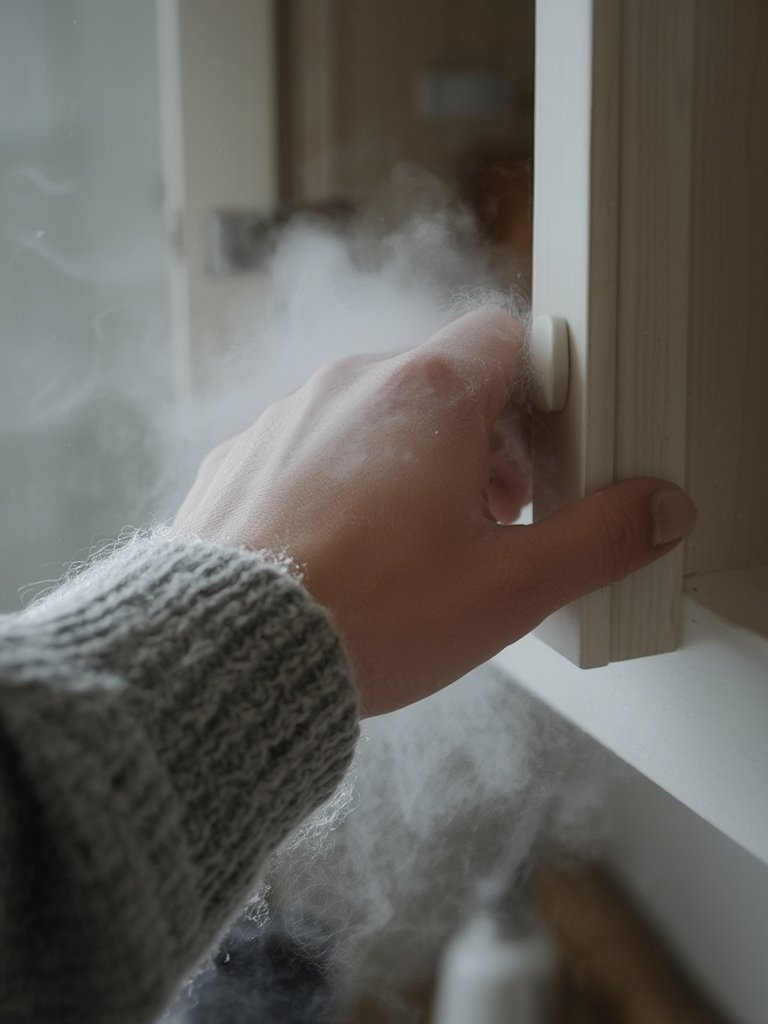
An experiment cited by Benjamin Franklin Plumbing (full details) measured Cabinet temp was 61°F inside a bathroom cabinet with doors open, compared to just 52°F with them shut—a noticeable 9°F difference. That warming effect could mean the difference between safe pipes and an expensive plumber visit on a freezing night.
What the evidence actually shows (experiments vs. studies)
Is opening cabinets in cold weather proven science or just good folklore? Here’s what we know:
| Evidence Type | Findings | Limitations |
|---|---|---|
| Non-scientific experiment | Cabinet temp was 9°F warmer open vs. closed (Benjamin Franklin Plumbing, 2017) | 1 cabinet, single house, one weather event—may not apply everywhere |
| Official advisories | Multiple agencies (TX Dept. of Insurance, local utilities) advise opening cabinets during extreme cold | No proven quantitative studies backing effectiveness |
| Peer-reviewed studies | No scientific or technical studies found quantifying actual risk reduction | Reliance on observational data & anecdotal recommendations |
Most online advice is based on practical experience and small-scale experiments, not on formal studies or government-mandated guidelines. The 9°F temperature difference is significant, but actual protection depends on your home’s insulation, pipe material, weather patterns, and where pipes are located behind the cabinets. No peer-reviewed studies currently quantify how often, or by how much, opening cabinets prevents damage—official recommendations are rooted in “better safe than sorry.”
How and when opening cabinets can fail — limitations to know
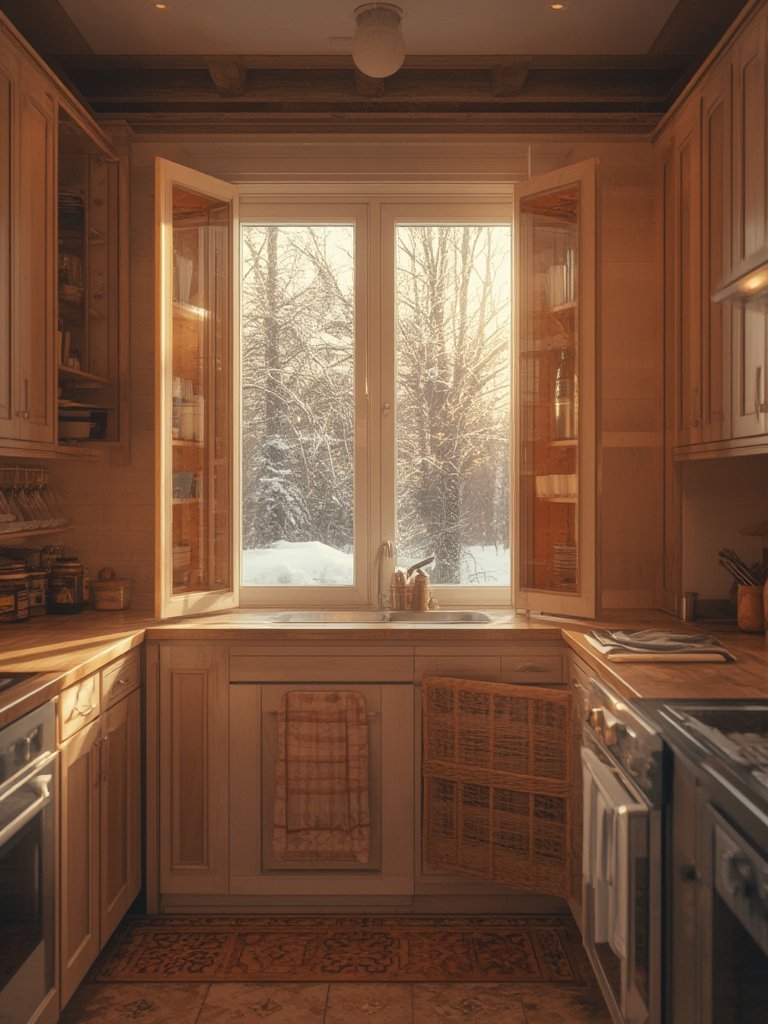
While opening cabinets in cold weather is smart, it’s not magic. Several factors can limit its effectiveness or render it insufficient as a standalone solution:
- Poor insulation: If your walls or floors are poorly insulated, even warm air from an open cabinet may not be enough, especially overnight.
- Extremely low temperatures: During severe Arctic blasts (single digits or below zero), more aggressive steps—like heat tape or running water—are crucial.
- Pipes beyond airflow reach: Some pipes run deep into exterior walls or floors, where cabinet-opening won’t make a difference.
- Home layout: Heat blocked by closed interior doors, or “cold spots” (drafty corners, garages, crawlspaces), can defeat the cabinet-opening trick.
- No substitute for upgrades: If your pipes routinely freeze or burst, insulation, heat tape, or rerouting may be necessary.
In summary, opening cabinets in cold weather should be viewed as one layer of defense in a broader winter prep plan—not your only safety net.
Real homeowner consequences of not taking action
What happens if you leave your cabinets closed when the mercury plummets? The consequences can quickly spiral beyond just inconvenience:
- Frozen pipes: Water expands as it freezes, exerting pressure of thousands of pounds per square inch inside pipes.
- Burst pipes and flooding: When ice melts, once-frozen pipes can split open, gushing water onto floors, cabinets, and basements.
- Repair costs: Catastrophic water damage can force homeowners to vacate their homes for weeks, and restoration bills can easily exceed $20,000. Even “simple” plumber calls usually start at $100–$500.
- Disrupted heat & hot water: Burst pipes in heating systems can knock out your entire HVAC, or freeze you out of showers and sinks for days.
Waiting for a pipe to thaw or burst is a gamble you really don’t want to take—especially when opening cabinets in cold weather is virtually free and instant.
Energy and cost trade-offs — what mainstream advice usually leaves out
If you’re energy-savvy, you’ve likely wondered: does opening cabinets in cold weather waste heat or increase utility costs?
- With open cabinets, some warm room air escapes further into chilly spaces along exterior walls, potentially causing your heating system to work harder.
- Most top-ranking advice articles (example) don’t mention this minor energy trade-off, describing the tip as “free, instant, and with no downside.”
- Actual heat loss, in most homes, is small compared to the massive potential cost of flood repairs (again, $20,000+ is not rare).
Weigh the trade-off: a few pennies in heating costs for peace of mind, versus a catastrophic water loss or major disruption. For most winters, keeping pipes from freezing with a little extra airflow far outweighs these slight efficiency losses.
Official guidance and building codes — what authorities say
No national building codes require or mandate opening cabinets in cold weather. However, several credible agencies—including the Texas Department of Insurance and the Humboldt Community Services District—have issued clear advisories recommending this tactic during Arctic fronts or severe cold events.
- Cabinet opening is always presented as one step in a broader checklist (don’t rely on it alone!)
- Advisory advice is strongest for homes with known risk factors: older homes, plumbing along exterior walls, previous freeze incidents
- Local utility companies and emergency services frequently repeat this recommendation during regional cold waves or ice storms
Building codes, by contrast, focus on required insulation, pipe placement, and construction materials—but not on behavioral actions during freeze events. Always refer to your town or state’s government advisories during cold weather.
Alternatives and how they compare (insulation, heat tape, dripping faucets, thermostat)
If you want better, longer-lasting protection than opening cabinets in cold weather alone, consider these proven options:
- Pipe insulation: Cover exposed pipes in basements, crawl spaces, or exterior walls with foam sleeves or fiberglass wrap. Moderate DIY cost, substantial risk reduction.
- Heat tape: Electrically heated tape wraps around pipes to automatically keep them above freezing point. Requires installation and monitoring, but very effective where cold is extreme.
- Dripping faucets: By letting water trickle (hot and cold) overnight, you prevent freeze-ups from stagnant water pressure. Just a slow drip is enough in most cases.
- Stable thermostat setting: Keep your home’s heat at 55°F minimum (even when away). Frequent temperature changes or deep nighttime setbacks increase risk.
- Seal drafts: Caulk or weather-strip gaps near windows, doors, basement sills, and cabinet cutouts.
- Outdoor faucet covers: Insulate hose bibs and wall hydrants with foam or hard plastic covers through winter.
- Know your shutoff: Locate your main water shutoff valve in advance. If a pipe bursts, you’ll want to shut off water immediately to limit damage.
Most experts (and official guides) advise using a combination—insulation plus open cabinets, plus dripping faucets—during the harshest weather for layered protection.
For more kitchen upgrade tips that boost comfort and protection, see our guides on the best under sink organizers and protecting butcher block countertops.
Practical step-by-step checklist for homeowners (short-term and long-term)
Apply these steps as cold weather approaches, and whenever a cold front or storm is forecasted:
- Before the freeze:
- Insulate exposed pipes, especially in unheated areas
- Seal cold air leaks in and around cabinets, windows, and doors
- Locate your main water shutoff valve (label it clearly)
- During a freeze or cold snap:
- Open kitchen and bathroom cabinets on exterior walls (don’t block flows with clutter)
- Set the house thermostat to at least 55–60°F (even if away overnight)
- Allow faucets—especially those served by exterior-wall pipes—to drip slowly (don’t forget utility sinks, basement laundry)
- Leave interior doors open to promote even heat between rooms
- Use safe portable heaters judiciously in trouble spots (never use open flame heaters inside!)
- If pipes freeze:
- Shut off main water supply immediately if you notice leaks
- Warm frozen sections slowly with a hairdryer or heating pad (never use open flame); open cabinets to assist thawing
- Call a licensed plumber for pipe repair and to prevent future freezing
For more winterproofing intel, browse our detailed advice on heated blankets, ice bath recovery safety, or lead-free water solutions.
Cost comparison: preventive time/cost vs average repair scenarios
Let’s run the numbers for opening cabinets in cold weather versus just crossing your fingers:
| Preventive Action | Cost | Time Commitment |
|---|---|---|
| Opening cabinets | $0 | 30 seconds |
| Pipe insulation | $1–$4/ft (DIY) | 1–2 hours for whole house |
| Heat tape | $20–$50 per section | DIY/Pro install |
| Dripping faucets | Pennies/day (water, sewer) | Seconds |
| Frozen pipe repair | $100–$500 (plumber visit) | 1–3 hours avg |
| Major water damage repair | $20,000+ (including restoration, hotel, insurance deductible) | Days to weeks |
Prevention is nearly free, and opening cabinets could save you tens of thousands of dollars, a huge headache, or even temporary displacement.
Short FAQ / myth-busting (quick answers to common reader questions)
Does opening cabinets use more heat or make my home less energy efficient?
Slightly, yes—open cabinets allow a bit more warm air to reach cold exterior walls, so your heating system may work a bit harder. This cost is minimal for most households, especially compared to the expense of a burst pipe. Top-ranking online advice rarely discusses this trade-off. (source)
Is it necessary to open cabinets if I have already insulated my pipes?
Strong insulation reduces your risk substantially. However, during severe cold or in older homes, opening cabinets provides one more layer of safety—especially if your insulation has gaps or cold drafts reach the pipes.
How long do I need to keep cabinets open?
Keep cabinets open wherever exterior-wall plumbing is exposed during the entire cold spell—especially overnight, when pipe freezing risk peaks. You can close them once outside temperatures return to normal, or the risk has clearly passed.
Are there any scientific studies proving cabinet opening works?
No formal peer-reviewed studies quantify the actual effectiveness. The best available evidence comes from small-scale experiments (a 9°F difference with doors open vs. closed) and many expert/local advisories. Most guidance is rooted in practical experience and layered prevention.
Sources and further reading
- Benjamin Franklin Plumbing: Non-scientific experiment (9°F cabinet difference)
- Texas Department of Insurance: Official severe weather advisories
- Humboldt Community Services District: Local utility guidance
- National Association of Realtors: Weather-proof your house
No peer-reviewed studies quantifying the effectiveness of opening cabinets in cold weather were found as of this latest review. For further advice, always check with local utility or city guidelines.
Looking to boost overall home comfort and efficiency? Explore our expert guides on smart LED lighting and kitchen drawer organizers.
Conclusion
Opening cabinets in cold weather is a quick, no-cost step that may keep your pipes—and wallet—safer when temperatures plunge. It’s best used alongside other proven tactics: insulation, dripping faucets, and draft prevention. While it’s not flawless or scientifically quantified, the downside is minimal and the payoff can be huge. Don’t rely on luck—take action during your next cold snap and share these tips with neighbors or new homeowners. Questions or need more home-prep ideas? Contact us for personalized advice or subscribe for future kitchen and home safety updates!