


Misen carbon nonstick frying pan is shaking up home kitchens, promising the heat and sear of carbon steel with the easy-release cleaning of nonstick—without the fuss of seasoning or the fear of quick wear-out. If you’re a home cook who’s tired of babying your cookware but craves more than what traditional PTFE pans deliver, this buyer’s guide is for you. Let’s dive into what’s real, what’s missing, and how Misen stacks up against All-Clad, Made In, and T-fal.
Key Takeaways
- Misen’s carbon nonstick pan offers carbon steel-style searing with genuinely easy cleaning and lightweight handling—no seasoning, no synthetic coatings.
- Praise centers on immediate nonstick performance and scratch resistance, but drawbacks include low side walls and limited heat retention when crowded.
- Long-term durability, warranty specifics, and apples-to-apples competitor specs/pricing need careful buyer verification before committing.
- Quick verdict — who should buy the Misen carbon nonstick frying pan
- Market context — why carbon/nonstick pans matter in 2024
- What makes Misen’s carbon nonstick different (unique tech & construction)
- Real-user feedback — common praises and the negative patterns
- Technical specs deep dive vs. top competitors (All‑Clad, Made In, T‑fal)
- Durability, nonstick lifespan, and lab/warranty evidence (what we know and what’s missing)
- Performance trade-offs — heating, heat retention, and practical cooking examples
- Pricing, shipping, warranties, and deals — how to evaluate total cost
- Buyer comparison — when to choose Misen vs. All‑Clad / Made In / T‑fal
- Top 3 questions competitor reviews often miss (must-answer buyer concerns)
- Practical care tips and troubleshooting (extend life of the hardened nonstick)
- Final recommendation and buy/skip checklist
- Frequently Asked Questions
Quick verdict — who should buy the Misen carbon nonstick frying pan
The Misen carbon nonstick frying pan is tailor-made for cooks who want lightning-fast preheat, featherweight handling, and immediate nonstick release—minus the anxiety around seasoning or babying fragile coatings. Its out-of-the-box performance appeals to anyone who sautés, fries eggs, or wants crispy proteins almost daily, yet doesn’t want another high-maintenance skillet sitting idle.
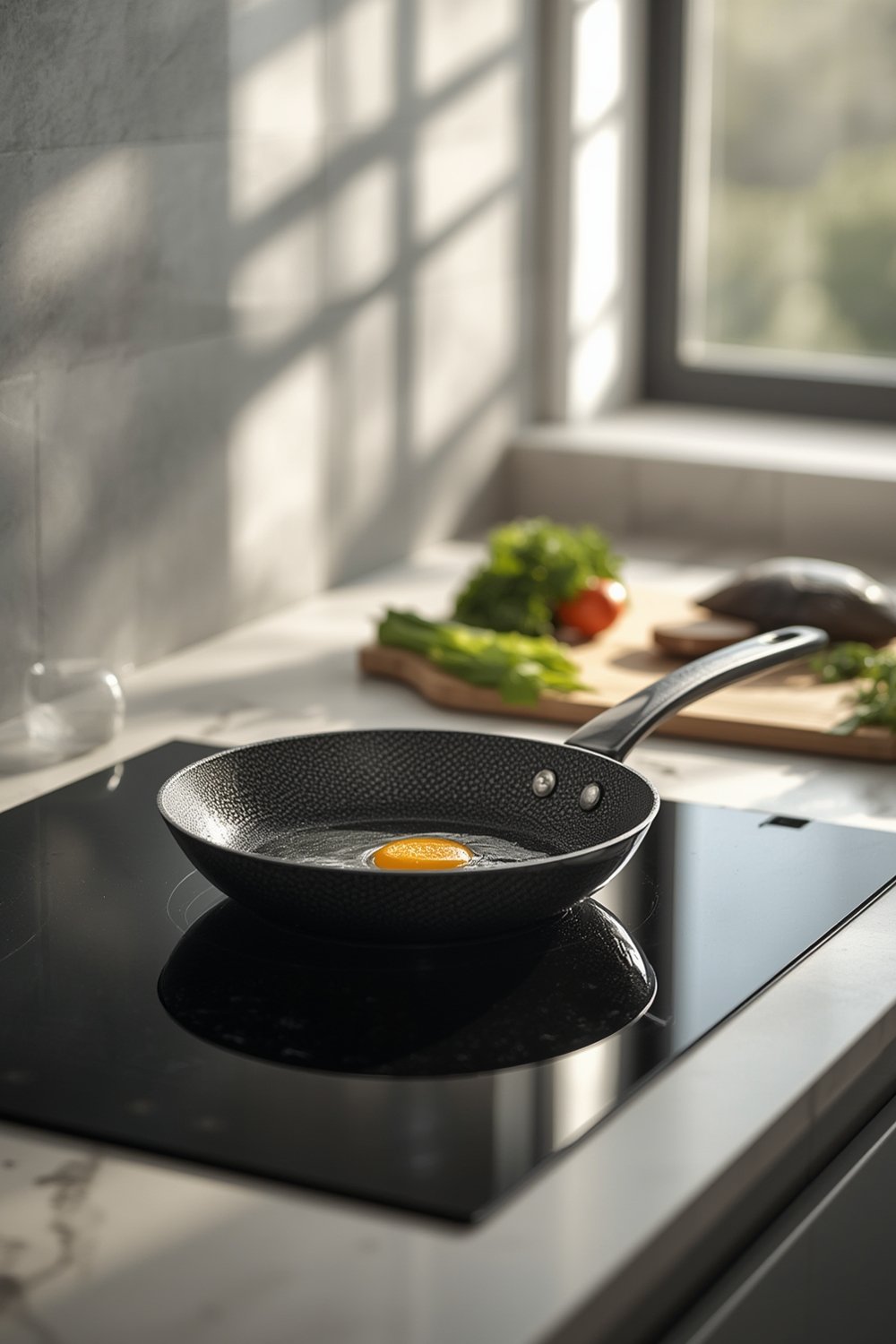
If your style leans toward stir-frying, shallow searing, or quickly browning vegetables, this pan’s design is in its element. The pain point: its walls are under 2 inches, limiting volume and splatter control for heavier sauce work or deep-frying. Worth noting, Misen generated over $2 million in preorders (source: YouTube review), underlining real early demand. But buyers seeking a versatile all-in-one pan for sauces, large meals, or crowding should look elsewhere.
Market context — why carbon/nonstick pans matter in 2024
Why does the carbon steel pan market matter so much now? In 2024, home cooking boomed—50%+ of a $2.14 billion market came from non-professional kitchens (source: Misen). Carbon steel’s ruggedness, paired with the modern love for no-fuss nonstick, is driving a new hybrid pan arms race.
The hybrid advantage: traditional carbon steel wants regular seasoning, while nonstick coatings fade quickly when misused. Misen’s new design aims to split that difference—instant release with steel’s toughness—answering a top pain point of both categories. (Want other ways to save time in the kitchen? Check these smart air fryer ideas.)
What makes Misen’s carbon nonstick different (unique tech & construction)
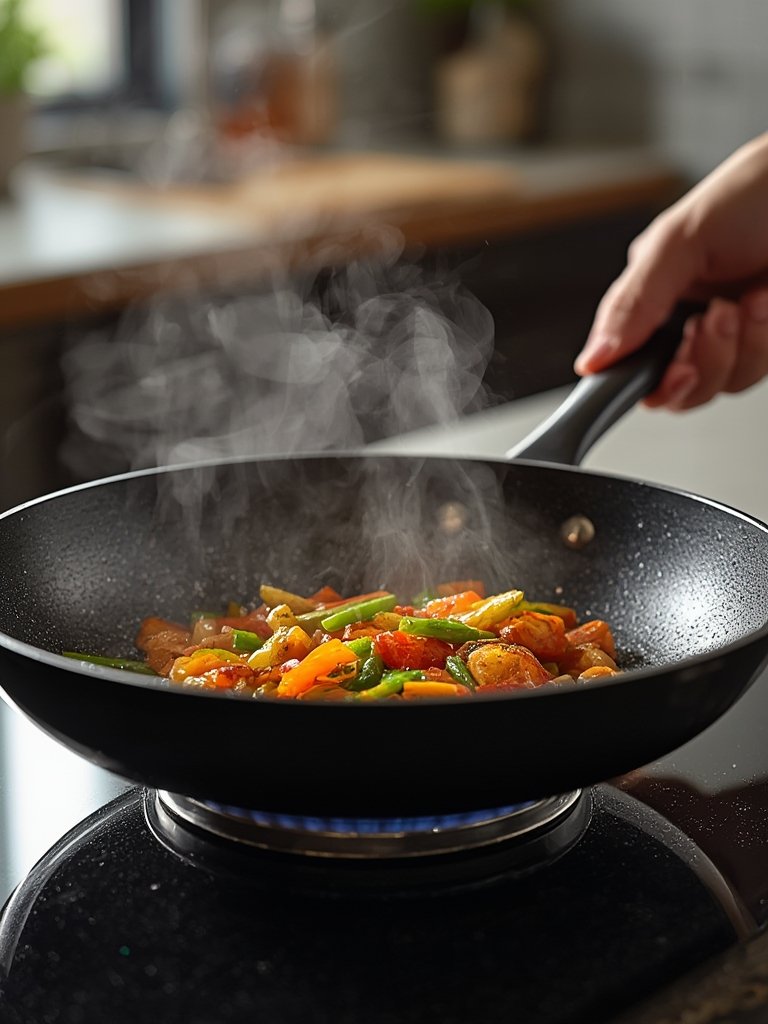
What really sets the Misen carbon nonstick frying pan apart? Instead of a synthetic layer (like PTFE/Teflon) or classic carbon steel that needs regular seasoning, Misen’s design uses a hardened, nonstick surface—no coating to scrape, no seasoning ritual, no slow break-in. The core is a lightweight aluminum sandwiched in carbon steel. This results in a 10-inch pan that weighs just 2.4 lb, making it easier for anyone to toss and maneuver, especially compared to the 3–5 lb competitors.
The base is a robust 3 mm, thinning to 2.5 mm on the sides. This delivers rapid, even heating, and prevents cold or hot spots, a common grievance on budget carbon steel. There’s no obvious downside regarding rust, as tests show the finish shrugs off moisture. However, technical disclosures about oven safe temperature (claims up to 1200°F are inferred but not verified by lab data) and material patents are missing from Misen’s listings (see their official spec page).
Real-user feedback — common praises and the negative patterns
What do actual owners and independent testers say about the Misen nonstick pan? Highlights include excellent out-of-the-box slipperiness for eggs and fragile proteins, toughness when using even metal utensils, and almost no reports of flaking, bending, or handle looseness.
However, nearly every detailed Misen nonstick pan review flags its low sidewalls (just under 2″) as a real issue for anyone wishing to reduce splatter or handle larger saucy dishes. When crowded (e.g., browning four turkey burgers), reviewers observe a sharp drop in searing power—the aluminum core cools quickly, causing sticking and loss of crust quality that carbon steel veterans expect. Nonstick is great, but also reportedly a bit less slick than brand new Teflon, especially if you’re regularly flipping pancakes versus using extra butter or oil. For additional egg and protein cooking tips, you might find this milk frother guide handy for breakfast inspiration.
Technical specs deep dive vs. top competitors (All‑Clad, Made In, T‑fal)
Let’s break down exactly where Misen lands—and where data falls short—against its most-cited competitors. Unfortunately, public data for truly direct, apples-to-apples specs on alternatives is still lacking, but here’s everything we do know:
| Pan | Nonstick Tech | Base Thickness | Wall Height | Weight (10″) | Oven Safe Temp |
|---|---|---|---|---|---|
| Misen Carbon Nonstick | Hardened, no synthetic coating/seasoning | 3mm base; 2.5mm wall | <2″ | 2.4 lb | Estimate: Up to 1200°F (carbon steel typical), verify for this model |
| All-Clad (Nonstick Carbon/Steel) | Data unavailable—check retailer or All-Clad | — | — | — | Verify |
| Made In (Nonstick Carbon/Steel) | Data unavailable—see Made In site | — | — | — | Verify |
| T-fal | Data unavailable—see T-fal official | — | — | — | Verify |
Bottom line: Misen is lighter and (per available sources) faster to heat and easier to flip than most direct rivals, but wall height and heat retention sit below heavy-duty carbon steel. Buyers should verify current details on each brand site.
Durability, nonstick lifespan, and lab/warranty evidence (what we know and what’s missing)
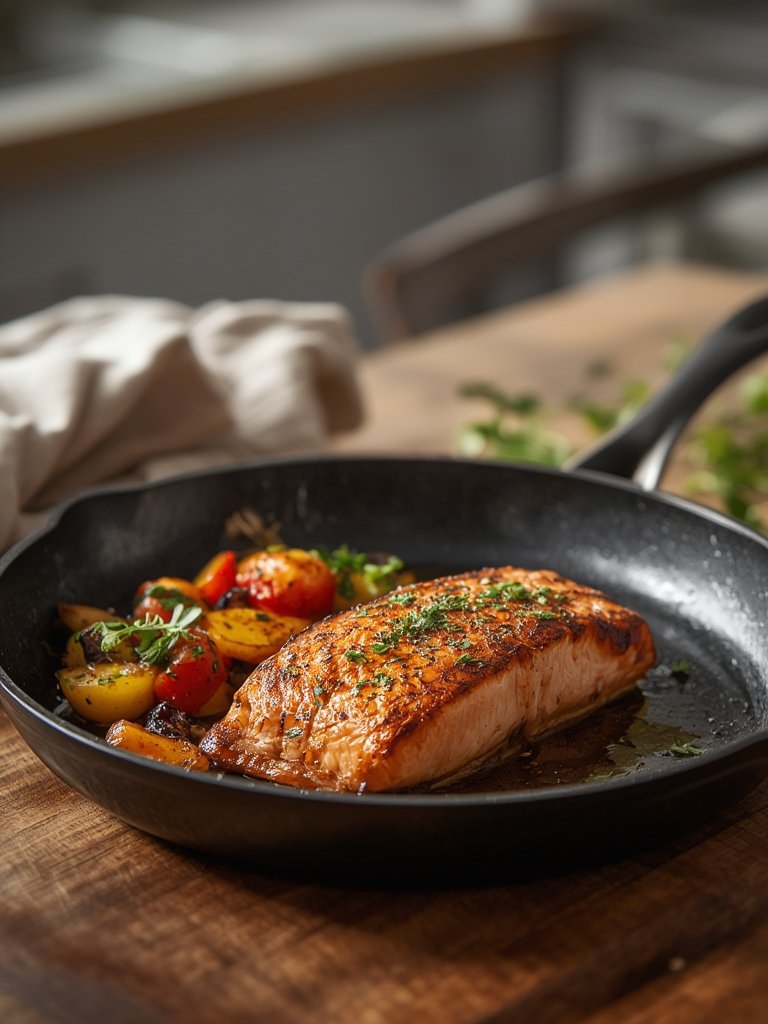
Durability is a big selling point for the Misen carbon nonstick frying pan, but how much is marketing and how much is proven? Current reviews and tests show solid resistance to scratches (even from metal-tipped spatulas) and continued release of sticky foods like eggs or tomatoes after weeks of use. The manufacturer states the hardened finish is permanent and doesn’t degrade like PTFE; no seasoning is required and rust is a non-issue.
However, no truly unbiased long-term lab tests or independent coating lifespan data are available as of 2024—so projected “forever” performance is not guaranteed, just promising in early use. Warranty and customer service specifics (return window, defect terms, etc.) could not be confirmed in any review or the official product page, so check the latest at Misen.com before making a purchase. Looking for other long-term kitchen upgrades? See our practical water filter pitcher guide and drawer organizer tips for smart, lasting investments.
Performance trade-offs — heating, heat retention, and practical cooking examples
Misen’s carbon nonstick pans are among the fastest heaters tested, making them ideal for quickly frying eggs, searing 1–2 burgers, or sautéing vegetables with minimal preheat time. Aluminum in the core means you get near-instant responsiveness—handy for home cooks who often multitask or prep in bursts. Here are a few real-world scenarios:
- Eggs or pancakes: Slick enough for a clean release, especially with a touch of butter/oil. Slightly less nonstick than new PTFE—but much more forgiving than a new, unseasoned steel pan.
- Browning proteins (steak, burger): Heats up quickly, delivers a solid crust if not overloaded. If you crowd the pan, the temp dips fast—leading to steaming or sticking, not hard searing like heavyweight carbon steel or cast iron.
- Stir fries and veggies: The lightness and rapid response shine here, but again, avoid too much volume at once since heat drops off when crowded.
- Sauces and larger batches: The low walls and rapid cooling mean you’ll struggle with spattered tomato or controlling reductions—best to use a higher-walled skillet or saucepan for these jobs.
As for oven safe, claims are up to 1200°F but direct documentation for the carbon nonstick model is limited to inferences from other carbon steel lines. Always verify with the brand if roasting or broiling is part of your cooking routine.
Pricing, shipping, warranties, and deals — how to evaluate total cost
Here’s the reality: as of latest research, no one has published confirmed 2024 pricing, shipping cost, or warranty details for Misen’s carbon nonstick frying pan. A related preseasoned Misen carbon steel pan is listed at $99, but specifics for this hardened nonstick model are missing (source: Misen review blog).
Typical industry practice includes 30-day returns and 1-year warranties, but these details aren’t guaranteed and vary by retailer or pan line. Shipping may be free for US orders over a set minimum, but again, check Misen’s shipping policy directly. Before you buy, verify:
- Current MSRP and any sitewide sales or promo codes
- What the warranty specifically covers and any exclusions
- Shipping costs and timelines (especially for Alaska/Hawaii/Canada)
Don’t buy on assumption—confirm on Misen’s site or reach out to customer service for the latest. See also our checklist for avoiding hidden costs when purchasing online.
Buyer comparison — when to choose Misen vs. All‑Clad / Made In / T‑fal
Struggling to choose? Here’s who should consider the Misen carbon nonstick frying pan—and who might be better suited to another brand:
- Choose Misen if: You want fast preheat, lightweight handling, and instant nonstick release without the maintenance headaches. Seared proteins, breakfast eggs, quick sauté jobs, and general single- to double-serving meals are its sweet spot.
- Choose All-Clad/Made In if: You value a thicker, heavier pan for heat retention, more traditional or proven nonstick surfaces, or want higher sidewalls for sauce, poaching, or larger volume cooking. Many Made In and All-Clad pans are heavier, which helps keep heat up when crowded, but may be harder to maneuver and clean.
- Choose T-fal if: You prioritize budget pricing and are okay with classic Teflon/PTFE nonstick that may not last as long and cannot take high heat or metal utensils.
Direct side-by-side spec data remains unavailable as of now—always check live listings or request specs from the manufacturer for the alternative you’re strongly considering. If lightweight and no seasoning top your needs, Misen is hard to match; for sauce-heavy, meal-prep, or volume-cooking roles, look elsewhere.
Top 3 questions competitor reviews often miss (must-answer buyer concerns)
Most online reviews and roundups around the Misen nonstick pan skip these crucial topics:
- How long does the hardened nonstick actually last? No unbiased lab tests or quantified lifespan results were found. All current evidence comes from early owner reviews and short-term performance tests, not multi-year durability data. If permanent nonstick is a deciding factor, track for third-party lab results as they emerge.
- What is the total cost—discounted, with shipping and warranty included? No source had the exact 2024 pricing or warranty terms for this pan. Misen’s promo cycles and policies change, so confirm on the brand’s site or preferred retailer before checkout to avoid surprises.
- Are oven safety and thickness/weight specs clearly documented vs. competitors? For true apples-to-apples comparison, these details are not consistently published. Use the above spec table as a jump-off and dig deeper with direct inquiries to brands if specifics are critical to your decision.
The lack of transparent, normalized data is frustrating for careful buyers—bookmark this guide and return as updates become available, or contact the brands for specifics before hitting purchase.
Practical care tips and troubleshooting (extend life of the hardened nonstick)
Boost the life of your Misen carbon nonstick frying pan by following these evidence-based habits:
- Use any utensil—metal is fine—but avoid sharp or serrated edges for maximum finish life.
- Cook on low to medium-high heat; while the pan can handle blasts of high temp, a moderate approach prolongs slickness and prevents discoloration.
- Allow the pan to cool before washing. Don’t plunge a hot pan into cold water, which stresses the metal (and all cookware types).
- Hand wash whenever possible; while dishwasher claims exist, repeated use accelerates wear on any pan finish.
- No seasoning is necessary—just wipe dry after cleaning and store in an area with low humidity.
- If any stickiness develops, boil a little vinegar and water in the pan, let cool, and scrub gently to restore.
- Stacking pans? Place a felt liner or towel between them to avoid scuffs over time.
While the Misen’s finish has proven tough in short-term tests and resists even acidic foods (think tomatoes or citrus), there isn’t long-term clinical data yet—monitor performance after a few months and look for new owner reports or updates. Explore other kitchen time-savers like the smart LED light strips or our reusable paper towels guide for more hassle-free upgrades.
Final recommendation and buy/skip checklist
Here’s how the misen carbon nonstick frying pan story shakes out: If you want immediate, near-hassle-free nonstick results, excellent scratch resistance, and a lighter build that won’t exhaust your wrist, it’s a top new option—especially if you’re not making sauces or large-batch meals. With over $2M in Kickstarter preorders, it clearly meets a need. Just be aware: detailed pricing, warranty, and long-term durability proof are still unknowns for 2024. Confirm those direct from Misen before buying.
- Buy it if: You want carbon steel’s speed and searing without maintenance, cook 1–2 servings at a time, and often cleanup right after cooking.
- Skip it if: You need a sauce pan, high-sided frying pan, or maximum heat retention/heavyweight construction for big-batch meals.
- Final checklist before buying:
- Check Misen’s site for up-to-date price, shipping, warranty, and promos.
- Look for long-term review updates and independent lab test data as it becomes available.
- Compare specs directly to All-Clad, Made In, or T-fal (if those meet your needs better).
Still deciding? See our pro recovery guides and portable kitchen appliance tips for more ways to turn your home into a chef-friendly zone.
Frequently Asked Questions
Is the Misen carbon nonstick frying pan oven safe?
Misen lists high durability for their carbon steel lines, with temperature resistance up to 1200°F in some models. However, for the carbon nonstick version specifically, oven safe temps are inferred rather than certified by third-party labs—always verify directly with Misen for your exact model.
Can you use metal utensils on the Misen carbon nonstick?
Yes—short-term tests confirm excellent scratch resistance even with metal spatulas or tongs. Still, avoid sharp edges where possible for best long-term results.
Does the Misen carbon nonstick pan need seasoning?
No. The hardened nonstick surface is designed to be stick-resistant for life, without any oil seasoning or break-in. Just wash and use.
What is the warranty policy on Misen’s carbon nonstick frying pan?
No specific 2024 data or warranty length is published for this model. Industry norms suggest 1 year, but always confirm at the point of purchase on the official site.
How does Misen’s nonstick compare to Teflon/PTFE?
Owners say the nonstick release is very good, better than traditional steel, but not quite as “slippery” as brand-new Teflon. The upside: Misen’s finish should last longer and survive metal tools, while most PTFE-coated pans degrade much faster with regular use.