


Mattress Topper Cooling has become a sought-after solution for those who struggle with night sweats, overheating, or restless sleep caused by temperature spikes. If you’ve ever wished your bed felt cooler, you’re not alone—the right topper can make a real difference, but not all technologies and options deliver as promised. In this guide, we unpack the science, real-world effectiveness, and pro strategies so you can choose and use a cooling mattress topper with confidence.
Key Takeaways
- Lab tests show certain mattress topper cooling technologies keep beds significantly cooler than standard foam, but real-world full-night cooling varies.
- Most pain points involve insufficient ventilation in some memory foam models, not issues specific to gel-infused toppers.
- Key buyer concerns often overlooked include cooling longevity, direct cost/warranty comparisons, and gender-specific sleep improvements.
- How Mattress Topper Cooling Works
- Choosing and Using a Cooling Mattress Topper
- Real-World Insights and Under-Reported Issues
- Conclusion
- Frequently Asked Questions
How Mattress Topper Cooling Works
Cooling mattress toppers are designed to regulate temperature and wick away heat, counteracting the stuffy warmth that builds up in traditional foam or older mattresses. They use modern materials like gel-infused memory foam, ventilated foams, natural latex, and graphite-enhanced layers to offer different approaches to heat dissipation. Unlike cooling sheets or pads, a quality cooling topper goes between you and the mattress, altering how your body heat is managed throughout the night.
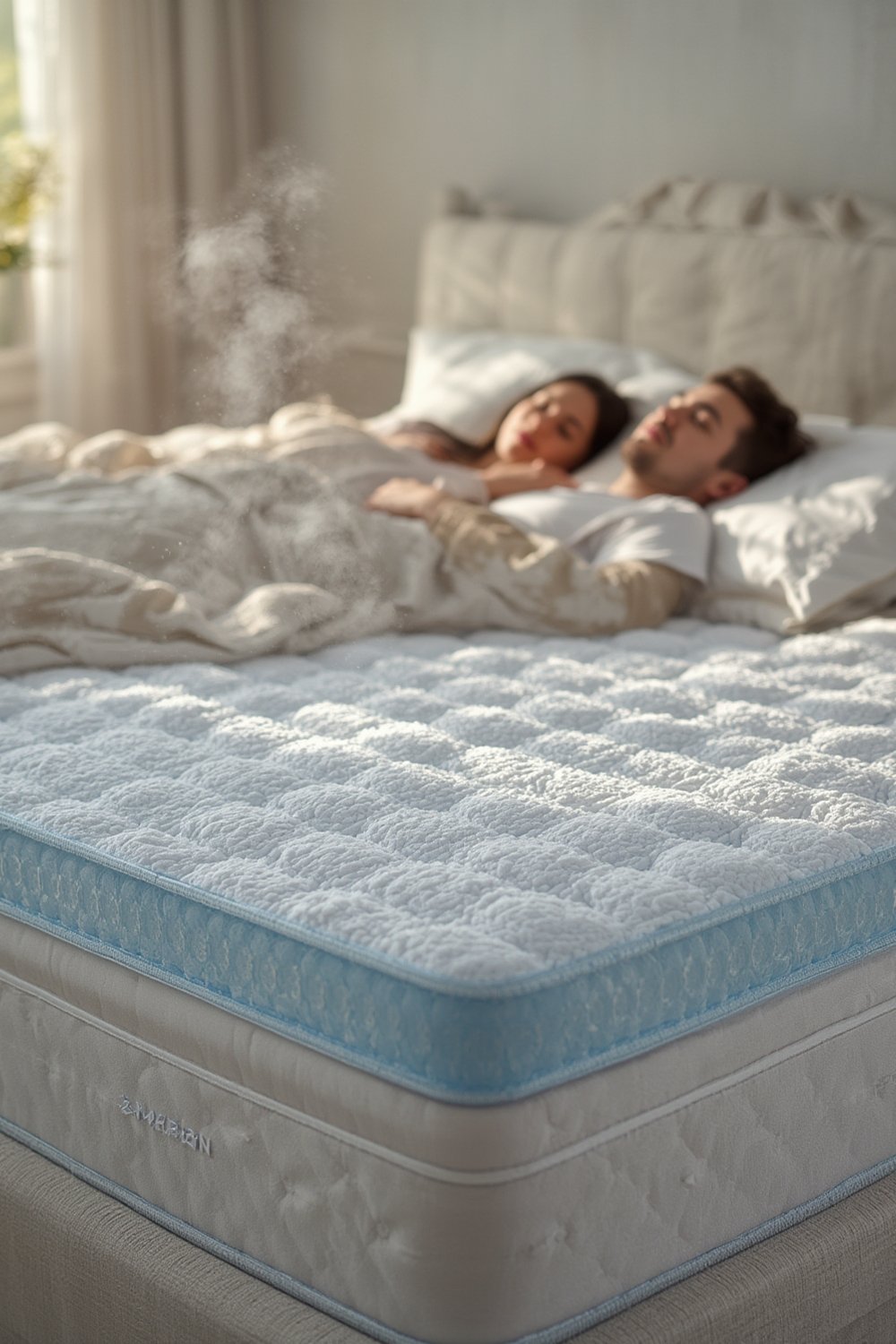
When you lie down, your body gradually warms the sleep surface. Lab tests in 2024 found gel and graphite-infused toppers like the Bear Pro warmed by only 6.1°F after initial use, compared to the average 12.5°F rise of regular toppers (source). This measurable reduction in temperature rise can promote comfort, especially if you’re a hot sleeper or experience night sweats.
Some toppers use phase-change materials, which absorb and release heat to smooth out temperature swings. Others rely on the airflow provided by open-cell structures or organic latex, which doesn’t retain as much warmth as memory foam. It’s important to note that most toppers work through passive cooling—they reduce heat buildup but do not lower surface temperature below room temperature.
Choosing and Using a Cooling Mattress Topper
You don’t need to be an expert to benefit from a cooling mattress topper—but with dozens of choices and technology claims, knowing what matters can save you disappointment. Here’s a step-by-step approach to picking and using a topper for the best sleep results:
- Identify your biggest sleep issue. Is it heat retention, night sweats, or general discomfort? For major overheating, focus on gel or graphite-infused foam. For allergies or eco-friendly bedding, a natural latex topper might be preferable (more on topper materials).
- Compare technical features. Look for open-cell or ventilated designs, removable washable covers, and at least medium firmness for balanced pressure relief and durability. Top picks for 2024 include the Bear Pro (3″ memory foam, minimal heat rise) and Saatva Graphite Memory Foam Topper (luxury plush, graphite for heat minimization, see full Saatva review).
- Assess size and fit. Ensure the topper matches your mattress dimensions for optimal performance—no bunching or sliding. Secure with fitted sheets if necessary. Check our mattress topper sizing guide for help.
- Consider warranties and cost. Warranty length indicates durability. Saatva offers a 180-night trial, while others vary. Latex toppers tend to be pricier but outlast basic foam (latex options compared).
- Set realistic expectations. Most passive toppers will still feel warm after several hours; they mainly slow the buildup of heat. For persistent hot sleepers, consider researching active cooling pads (see this analysis).
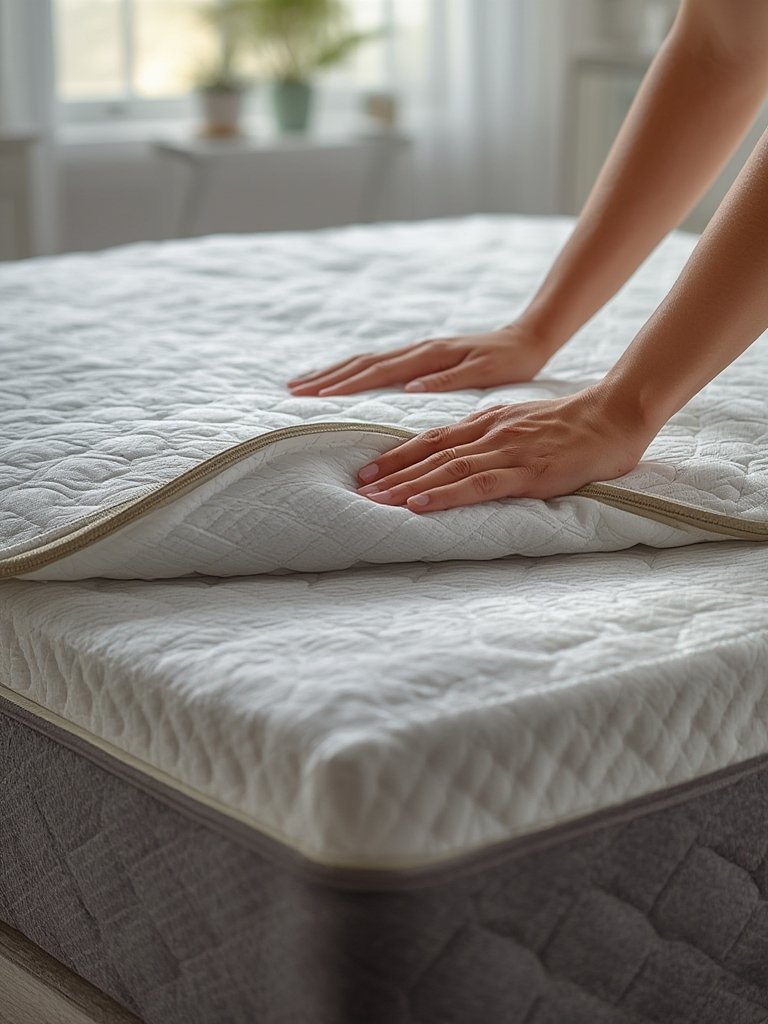
Set up is simple: unbox, unroll, let your topper breathe for a few hours, then place it directly on the mattress (beneath your bedding). If you’re upgrading an older bed, this is one of the lowest-commitment ways to restore comfort and manage heat.
Real-World Insights and Under-Reported Issues
While marketing highlights cooling promises, practical experience sometimes falls short—especially over a full night’s sleep. Let’s break down both research findings and common (but less-discussed) pain points:
| Mattress Topper | Max Temp Rise (°F) | Main Material | Expert Review Findings |
|---|---|---|---|
| Bear Pro | 6.1 | Gel Memory Foam | Excellent cooling, medium feel, pressure relief |
| Saatva Graphite | 10.7 | Graphite/Memory Foam | Plush, luxury, minimal heat, 180-night trial |
| Nolah Topper | 11.4 | Memory Foam (cooling design) | Good pressure relief, slightly higher temp, value choice |
| Natural Latex | (Not reported) | Latex/Cotton | Superior natural cooling, bouncier, premium price |
- Cooling duration is limited. No current mattress topper (even gel-infused) guarantees all-night cooling. Most tests measure temperature after 20–30 minutes; heat can gradually accumulate by morning, especially if your sheets lack breathability (source).
- Common pain points: Vented memory foam toppers perform well, but budget, non-ventilated models may trap warmth. Verified customer complaints center on “hot spots” forming or lack of expected cooling sensation—rare but notable.
- No product is a cure-all. If your mattress is old or sagging, a cooling topper will help only so much. Hot flashes or hormonal factors may require more comprehensive solutions (see our night sweats resource).
- Cost/warranty seldom compared head-to-head. Though warranties like Saatva’s 180-night trial inspire confidence, comparisons with latex or ventilated toppers rarely surface in top-buying guides. Latex often has greater longevity, and while initial cost is higher, it may pay off over time (market data).
- Gender and sleep stage effects are under-reported. One large study of temperature-controlled beds—not toppers—showed men benefited most in deep sleep, women gained in REM. There’s potential these results apply to toppers, yet no major reviews address gender-specific outcomes (study overview).
Conclusion
Mattress topper cooling technology is advancing, giving hot sleepers and restless partners legitimate hope for better nights. However, results depend on your mattress foundation, the specific topper design, and how the full bedding system works together. Mattress Topper Cooling options can provide meaningful relief for overheating—especially high-end gel and graphite-infused models—but remember, no passive solution is limitless. For best results, combine a vetted topper with cooling sheets and proper bedroom ventilation.
Ready for cooler, deeper sleep? Explore our in-depth cooling mattress topper reviews and start your upgrade tonight.
Frequently Asked Questions
What is the best type of cooling mattress topper?
For most sleepers, a gel-infused memory foam topper with ventilated channels offers the best combination of cooling and pressure relief. Natural latex toppers tend to sleep cool as well, though they feel firmer and cost more.
Do cooling mattress toppers work for night sweats?
They can help by reducing heat buildup, especially when used with moisture-wicking sheets. For severe night sweats, look for phase-change materials or active cooling pads for additional relief.
How long do mattress topper cooling effects last during the night?
Lab-tested cooling effects are strongest during the first 30–60 minutes. Most passive toppers will gradually retain some heat through the night, but still offer a cooler feel than standard memory foam alone.
How can I boost the cooling effect of my mattress topper?
Use a highly breathable, lightweight sheet (cotton or bamboo works best), avoid thick mattress protectors, and keep your bedroom well-ventilated for maximum benefits.
What maintenance does a cooling mattress topper need?
Most come with a removable, washable cover—clean regularly per manufacturer instructions. Allow your topper to air out periodically, and rotate if possible to prolong performance.