


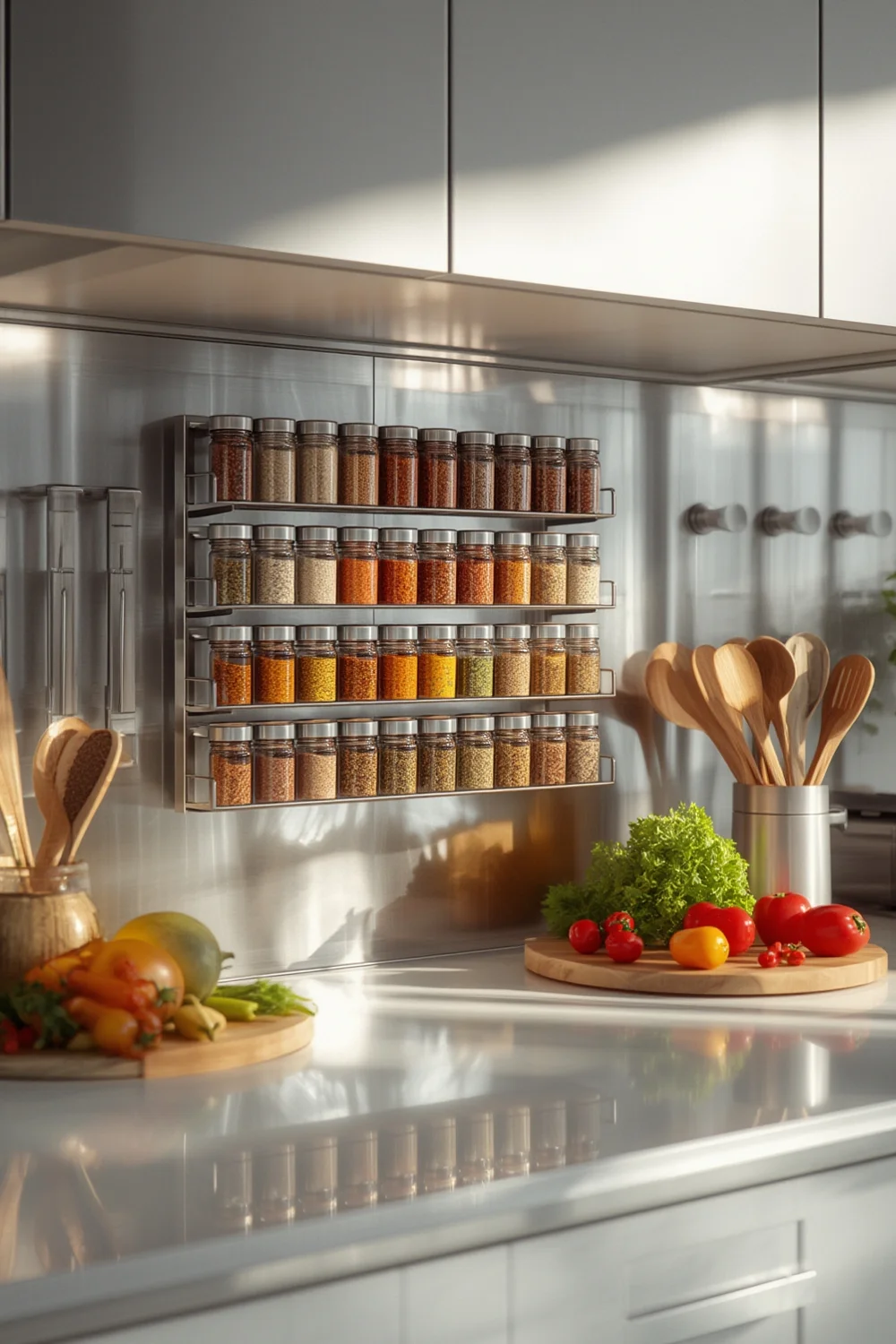
Magnetic Spice Rack solutions have become essential for maximizing small kitchen space, especially when every inch matters and traditional cabinets can’t keep up. This guide breaks down what magnetic spice racks actually do, how to install one without frustration, and realistic pitfalls you should expect before investing.
Key Takeaways
- Magnetic spice racks leverage underused vertical spaces, freeing up counters and drawers even in the tightest kitchens.
- Choosing the right magnetic rack depends on mounting surface, spice container weight, and kitchen layout limitations.
- Real durability, holding capacity, and long-term convenience can vary widely—pay close attention to magnet strength and installation details before purchasing.
- What Is a Magnetic Spice Rack and Why Use One?
- How to Set Up a Magnetic Spice Rack: A Step-by-Step Guide
- Advanced Analysis and Common Pitfalls
- Conclusion: Is a Magnetic Spice Rack Worth It?
- FAQ: Magnetic Spice Rack in Small Kitchens
What Is a Magnetic Spice Rack and Why Use One?
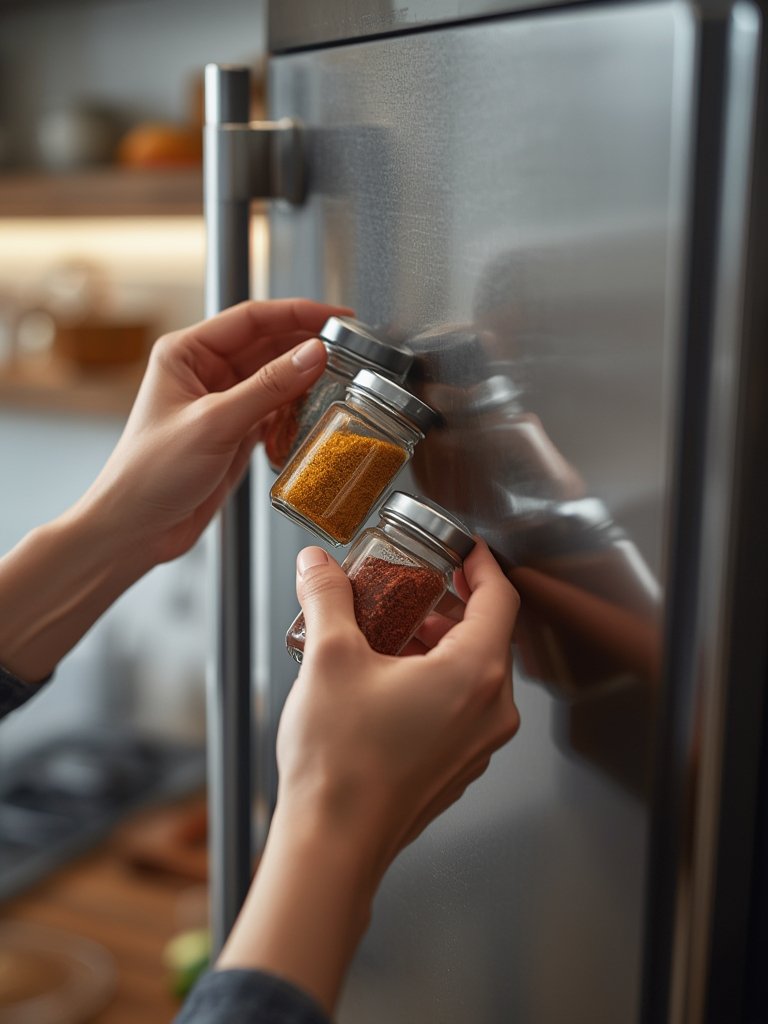
A magnetic spice rack is a system where spice jars or containers attach to a metal backing or directly to a fridge or wall with powerful magnets. The main advantage: it uses vertical surfaces—your fridge door, a backsplash, even a metal panel inside a cabinet door—unlocking storage that would otherwise go wasted. For renters and small kitchen owners, magnetic spice racks can transform a cluttered kitchen into an organized, more efficient workspace without drilling or permanent changes.
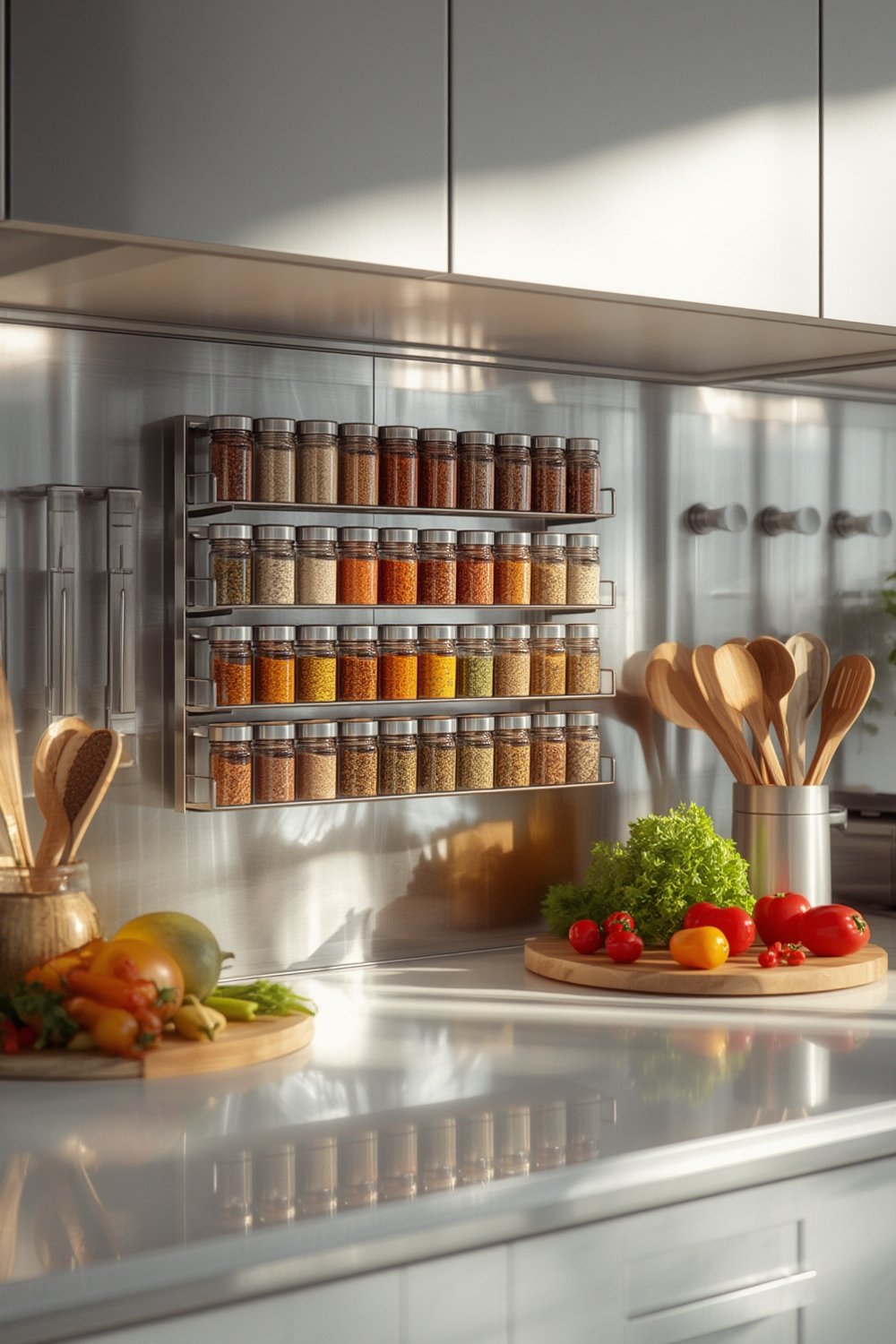
With the global telescopic magnetic spice-rack market reaching USD 612 million in 2024, interest in fridge-mounted spice organizers is rising fast. Innovations focus on neodymium magnets, variable jar sizes (2 to 8 ounces), and food-safe stainless steel and glass construction. Even commercial kitchens, food trucks, and micro-apartments are adopting these racks for swift access and space savings.
Unlike fixed shelves or lazy Susans, magnetic racks require no tools or carpentry—and you can easily rearrange, remove, or expand them as your needs change.
For a complete kitchen storage makeover, you might also want to explore drawer dividers, pantry organization techniques, and undershelf baskets.
How to Set Up a Magnetic Spice Rack: A Step-by-Step Guide
You don’t need power tools—or even handyman skills—to install most magnetic spice racks. Use this method for fridge doors, side panels, metal walls, or even custom magnetic backings:
- Choose the Right Surface
Test your intended metal surface: Not all stainless steel is magnetic. Hold a fridge magnet against it to confirm attachment strength. - Select Appropriate Spice Jars
Opt for jars with metal lids. Ensure they hold enough spice; most racks support 2–8 oz containers. - Consider Magnet Strength
Strong neodymium magnets are best for heavy jars. Thin fridge doors or weak magnets can cause sliding or jars to fall, especially when fully loaded. - Lay Out Your Arrangement
Place empty jars on your mounting surface to visualize spacing. This prevents collisions and tipping when the fridge door is opened or closed. - Clean and Prep the Surface
Wipe down the area with soap and water. Dry fully—grease or moisture decreases magnetic grip. - Mount the Rack (if Using a Base Plate)
If the rack comes with a magnetic or adhesive base plate, attach it now. For direct jar mounting, skip this step. - Attach Jars and Fill
Place jars onto the rack or magnetic surface, then fill with spices using labels for quick access. Always mount heavier jars at the bottom for stability. - Test Durability
Open and close your fridge or cabinet multiple times to ensure jars stay in place. Rearrange if any jars slide or wiggle.
If you need a deeper storage overhaul, see our guides to maximizing cabinet space and space-saving kitchen gadget picks.
Advanced Analysis and Common Pitfalls
Despite their convenience, magnetic spice racks are not perfect for every kitchen or user. Here’s what the latest research and user insights reveal:
- Not All Surfaces Are Magnetic: Many popular fridge models today are non-magnetic stainless steel. Older appliances or painted steel panels offer better magnet adhesion.
- Overloading Risks: Exceeding the recommended jar weight can cause magnets to slip, particularly on vertical surfaces. Stick to 2–8 oz per container unless using heavy-duty magnets or racks with reinforced backing.
- Condensation and Spills: Spices near the fridge or oven may face humidity and temperature swings. Sealed jars and regular cleaning are essential to prevent clumping or contamination.
- Durability Issues with Cheap Racks: Low-cost options may use weak magnets or thin plastics that warp or crack. Stainless steel or reinforced glass is preferred for longevity and safety.
- Child and Renter Concerns: While racks are tool-free, they may pose risks for small children pulling jars down or renters leaving magnetic marks on appliances.
For a quick overview, here’s how magnetic spice racks stack up against traditional organizers based on available data:
| Feature | Magnetic Spice Rack | Countertop/Cabinet Organizer |
|---|---|---|
| Mounting Method | Magnet (no tools or screws) | Sits on shelf or in drawer; may require installation |
| Holds (Typical Container Size) | 2–8 oz metal/glass jars | Any standard spice bottle size |
| Materials | Food-grade stainless steel, reinforced glass, neodymium magnets | Plastic, glass, metal, wood |
| Space Required | Vertical (fridge, wall, backsplash) | Countertop or inside cabinet |
| Durability | Excellent if premium materials; weak with low-cost magnet/plastic | Varies by material; usually stable |
While real user complaints are limited in research, potential downsides include jars falling on hard surfaces, limited capacity for bulk spices, and minor installation challenges on non-magnetic appliances.
If you want a customizable solution, consider racks that let you adjust jar spacing or pull double duty as magnetic kitchen tool holders. For high-traffic areas or frequent cooks, durability is a bigger concern—stick with brands using food-grade neodymium magnets and stainless steel.
Conclusion: Is a Magnetic Spice Rack Worth It?
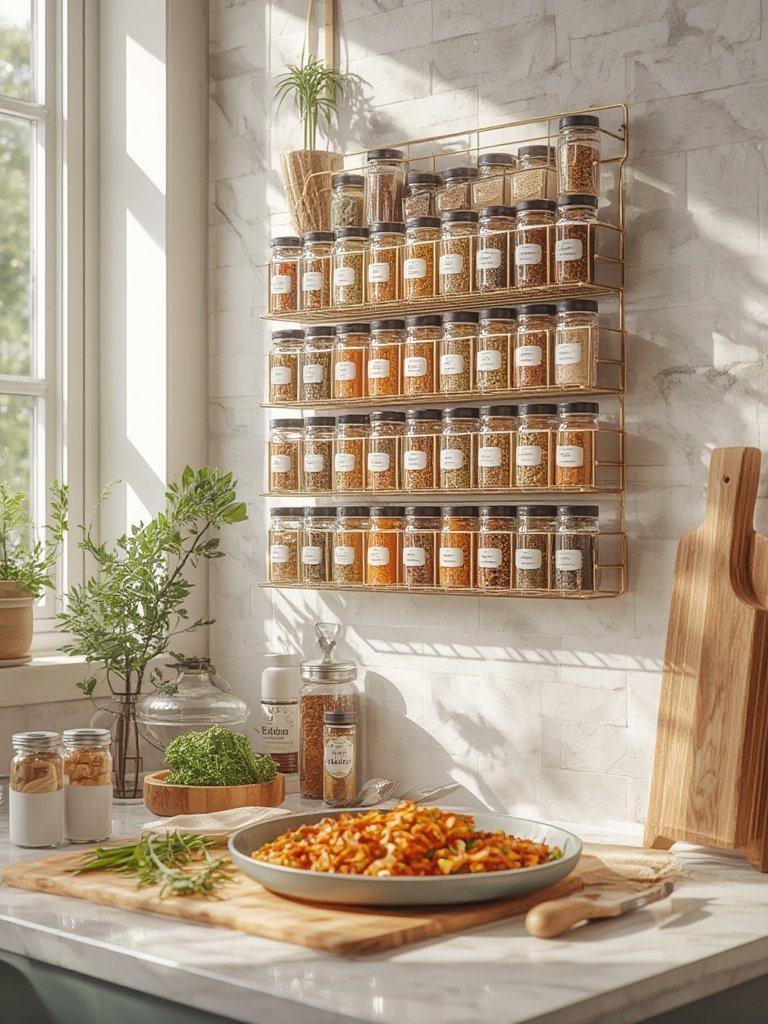
If you’re short on counter or cabinet space, a magnetic spice rack can be a real lifesaver. They offer flexibility, simple installation, and can make your most-used seasonings instantly accessible. That said, always consider your mounting surface and the weight of your jars. Investing in high-quality materials can prevent headaches (and broken jars) down the line.
Ready to reclaim your kitchen? Start by measuring your space, test your appliance with a magnet, and choose a rack sized for your actual spice collection. For further reading, browse our kitchen storage solutions and let us know your results.
Don’t wait—upgrade your space and see how a magnetic spice rack can simplify your daily cooking routine.
FAQ: Magnetic Spice Rack in Small Kitchens
Will a magnetic spice rack scratch my fridge or wall?
Most racks are designed with smooth backing or pads to prevent scratching, but dust or grit between magnets and metal can cause marks over time. Clean the surface first and avoid dragging racks across painted finishes.
How much weight can a magnetic spice rack hold?
That depends on magnet strength and mounting surface. Most high-quality racks hold 2–8 ounce jars securely, but always check manufacturer recommendations—overloading can cause racks to slip.
Can renters use magnetic spice racks without risking damage or security deposit loss?
Yes—since these racks require no screws, they’re renters’ favorites. Just be sure to clean thoroughly before moving out and check for any mild discoloration or marks left by the magnets.
What do I do if my fridge surface is non-magnetic stainless steel?
Install a thin, adhesive-backed steel sheet or mount the rack to another metal area such as a utility shelf, backsplash, or inside of a pantry door using a magnetic base plate.
Is there a noticeable price difference between stainless steel and plastic magnetic spice racks?
While hard data is scarce, high-quality stainless steel and glass racks typically cost more than plastic options but offer better durability and food safety over time.