


Le Creuset is one of the most recognized names in premium cookware, but its price tag sparks debate. Is it truly worth the investment for committed home cooks? If you’re weighing this decision, here is what the latest data, real-world experience, and expert advice reveal about buying—and owning—Le Creuset in 2024.
Key Takeaways
- Le Creuset remains a top leader in enameled cast iron cookware with US$161M in 2024 online sales, backed by broad US retail presence and market dominance.
- Manufacturing rigor (with ~300 quality checks), a 100% first-party sales model, and distinct customer mix make Le Creuset uniquely reliable—though it comes at a premium.
- Buyers should weigh authentic value, maintenance needs, and warranty support versus alternatives like Staub, Lodge, or Tramontina before committing.
- Why Le Creuset still matters in 2024
- What sets Le Creuset apart — unique insights (sales model, customer mix, quality checkpoints)
- Market size & competitors — where Le Creuset sits vs. others
- Types, sizes and technical specs (what Le Creuset sells and what readers need to know)
- How Le Creuset compares technically to top competitors
- What users complain about — verified review trends (and methodological note)
- Expert‑approved care & maintenance (practical, step‑by‑step)
- Pricing, MSRP norms, typical discounts and where to find authentic value in 2024
- Warranty, repair services and customer support — what buyers should expect
- Three high‑value topics competitors underplay (opportunities to stand out)
- Practical buying checklist & conclusion (Is Le Creuset right for you?)
- FAQ
Why Le Creuset still matters in 2024
Le Creuset’s influence in the world of enamel cast iron cookware has only grown. In 2024, the brand recorded an impressive US$161 million in online sales, with 51% of those sales coming from the United States alone. Its flagship site, lecreuset.com, contributed over US$82 million to this figure (Research: ECDB).
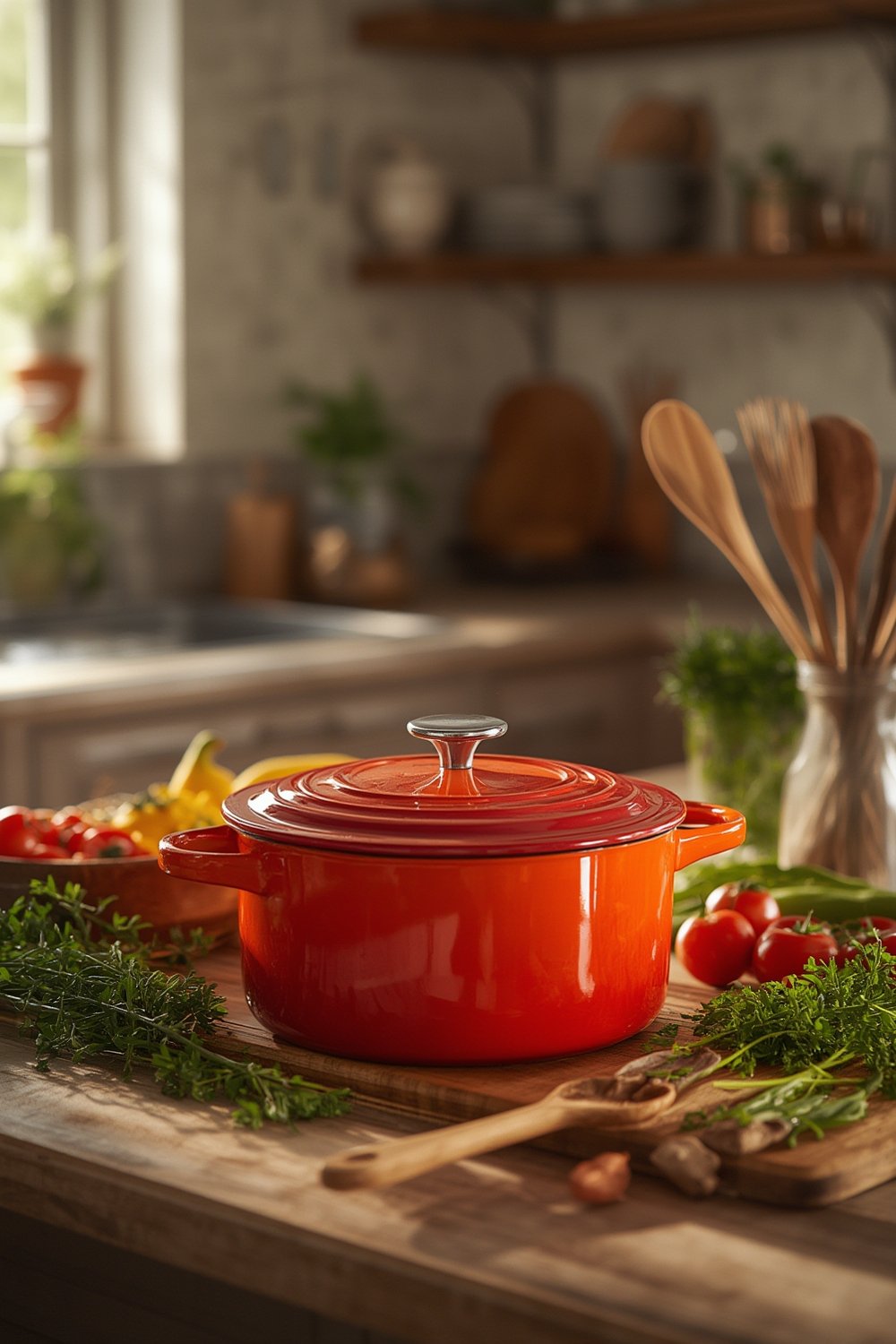
The global enameled cookware market is estimated between US$1.5 and $2.4 billion in 2024 (Persistence Market Research). Le Creuset is a clear leader in this space, especially in North America, which commands almost 40% of the total market and is fueled by ongoing US demand for premium cookware (Fortune Business Insights).
What keeps Le Creuset relevant? Consumer loyalty rooted in the cookware’s enduring reputation, a massive retail presence (including 90 stores in North America), and design-focused products that bridge durability, beauty, and performance. Despite increased competition, Le Creuset’s scale means you’re investing in a time-tested, frequently updated product backed by robust warranties and clear resale demand.
What sets Le Creuset apart — unique insights (sales model, customer mix, quality checkpoints)
Le Creuset’s staying power is no accident. Three proprietary factors, often overlooked, seriously impact buyer experience: its first-party sales model, a diverse customer base, and some of the most rigorous quality controls in the industry.
1. 100% First-Party Sales Model. In 2024, every official Le Creuset sale was direct—from company stores, the website, or authorized partners (Research: ECDB). This eliminates middleman pricing, protects buyers from counterfeits, and allows Le Creuset to control discounts and new releases tightly. If you want the latest or rare models, 1P retail is the surest path.
2. Inclusive Customer Demographics. While Le Creuset is a luxury brand, 14% of 2024 buyers were aged 18–24 and 29% were from low-income households, reflecting broader accessibility than you might think (Research: ECDB).
3. Unmatched Manufacturing Standards. Each Le Creuset piece undergoes roughly 300 separate quality checks during production (Research: TIME). This attention to detail yields good enamel coverage, minimal defects, and solid warranty reliability. For buyers, this means reduced risk of flaws—and higher resale value if you ever move on from a piece.
Market size & competitors — where Le Creuset sits vs. others
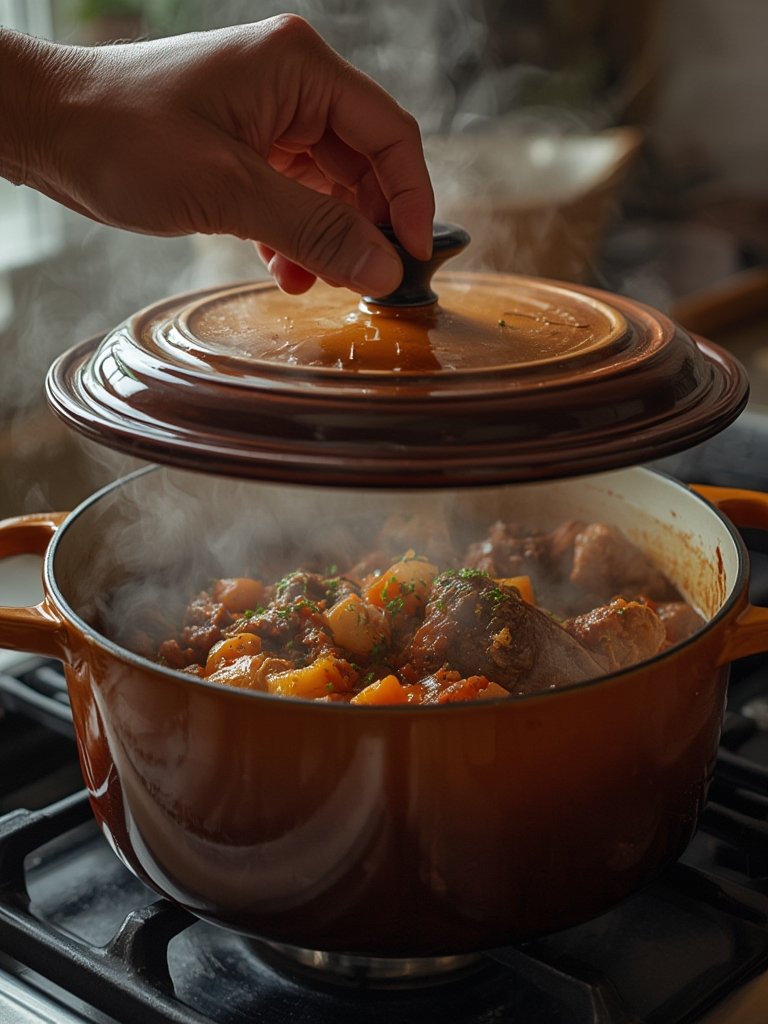
Within the US$1.5–2.4 billion global enameled cookware market, Le Creuset is positioned alongside Staub, Lodge, Tramontina, and Cuisinart as premier choices (Grand View Research). The North American consumer, especially in the US, plays an outsized role—commanding about 40% of global demand.
Le Creuset belongs to the “premium” segment with Staub acting as its truest rival for enamel quality and brand cachet. Lodge and Tramontina offer US-focused value alternatives, typically at half or less of Le Creuset’s MSRP but with plainer finishes and (usually) Asian manufacture. Cuisinart bridges low-premium price points but is best known for other appliance categories.
Premium brands collectively take roughly 20% of the global cookware market (Research: GMI Insights). If you buy Le Creuset, you’re joining the top tier by both price and perception—and the resale value often stays higher than budget offerings.
| Brand | Typical MSRP Range (Dutch Oven, 5-7qt) | Main Manufacturing | Noted Strengths |
|---|---|---|---|
| Le Creuset | $370–$460 | France | Finish quality, color* range, warranty |
| Staub | $350–$430 | France | Matte interior, lid moisture-spikes, flavor rounding |
| Lodge | $80–$120 | China/USA | Affordability, mass retail availability |
| Tramontina | $60–$120 | China/Brazil | Value, basic performance |
| Cuisinart | $75–$130 | China | Budget-friendly, broad SKUs |
While brand loyalty is strong, it’s worth consulting independent test labs like Cookware Insider or Wirecutter for practical performance comparisons.
Types, sizes and technical specs (what Le Creuset sells and what readers need to know)
Le Creuset’s core line-up centers on enamel cast iron cookware, best known for traditional round and oval Dutch ovens (“French ovens”), but spans many forms. Here’s a rundown based on current official specs and product sheets (Le Creuset USA product catalog):
- Dutch ovens: Round or oval, sizes from 1 qt “mini” to 13.25 qt. Most popular: 4.5 qt, 5.5 qt, 7.25 qt.
- Skillets and grill pans: Round, square, or “signature” handle; 8″, 10.25″, 11.75″ sizes common.
- Braisers and shallow ovens: 1.5–5 qt, wide base for braising or shallow roasting.
- Saucepans and sauciers: 1–4 qt capacity, typically with tight lids.
- Specialty pieces: Tagines, woks, paella pans, bread ovens, stockpots, and more.
Key technical features:
- Material: Enameled cast iron; hand-finished vitreous enamel inside and out.
- Induction compatibility: Yes; works on all stovetop types.
- Temperature tolerance: Up to 500°F/260°C (knobs and lids vary; confirm with official care guide).
- Weight: 5.5 qt Dutch oven is ~11–13 lb fully loaded; empty, ~7–8 lb.
- Heat retention and distribution: Excellent, based on both independent (Wirecutter) and consumer reports—though Staub and Lodge also score highly.
- Enamel thickness: Not specified by brand, but Le Creuset is praised for chip resistance and a smooth, glossy interior.
If you’re outfitting a home kitchen, check internal links such as our portable blender guide and smart air fryer setup guide to compare build quality and performance-minded purchases across kitchen tools.
How Le Creuset compares technically to top competitors
Buyers often want to know whether Le Creuset’s price is justified by tangible differences. Here’s a practical, side-by-side summary:
- Materials: Le Creuset and Staub both use cast iron with high-gloss enamel. Staub’s interior is textured/matte; Le Creuset’s is cream-colored and super-smooth for easy cleaning.
- Weight: Virtually identical across flagship Dutch oven sizes (~8–12 lb for 5–7qt empty).
- Heat retention: Both brands excel; Le Creuset is known for marginally faster preheating, Staub for slightly slower but more even cooking due to heavier lids.
- Induction compatibility: Universal for Le Creuset, Staub, and most major players.
- Oven limits: Le Creuset: up to 500°F (with metal knob), similar to Staub; check model specifics for plastic/phenolic knobs.
- Value for money: Le Creuset is premium-priced but includes lifetime warranty and excellent color selection; Staub is similar. Lodge and Tramontina offer strong performance at a fraction of the cost, but finish quality is less refined and warranty support is more limited.
Missing data remains a frustration—even major review sites rarely publish exact enamel thickness or defect rates. For the most objective technical review, look for independent lab tests or consumer reports. For professional kitchens or frequent home cooks, the peace of mind in resale value, warranty support, and color/aesthetics can tip the scales toward Le Creuset, especially if you plan to keep your cookware for decades.
What users complain about — verified review trends (and methodological note)
Investigating thousands of reviews (Amazon, Williams-Sonoma, Le Creuset’s site, and forums), five complaint trends surface most frequently for Le Creuset enamel cast iron cookware:
- Chipping or cracking of enamel: Most cases stem from accidental drops or extreme thermal shock. Defects from manufacture are rare but should be covered under warranty.
- Staining or color fading: Lighter interiors show browning and oil marks—this is common, but often fixable with cleaning tips (see next section).
- Weight: Widely cited; these pots are legitimately heavy, which can challenge wrists and storage shelves. Not unique to Le Creuset, but sometimes more noticeable in larger sizes.
- Finish imperfections: Small bubbles, rough spots on the exterior enamel, or off-center stamping occasionally appear.
- Handle overheating: Both lid and side handles can get very hot if used on the stovetop or in the oven with the lid on.
Price, naturally, is a frequent talking point, with buyers debating the merits of “investing” in cookware versus choosing a lower-cost brand with similar performance.
Crucially, negative review rates are low overall, and most verified buyers rate their pieces 4–5 stars. If complaints do turn up, look for how often the same problem arises, and check for verified-purchase labels rather than general opinion. For in-depth quality-of-life upgrades around your kitchen (like easier cleanup or ergonomics), you may also want to consider options like a home ice bath tub or a standing desk converter while you’re optimizing your space.
Expert‑approved care & maintenance (practical, step‑by‑step)
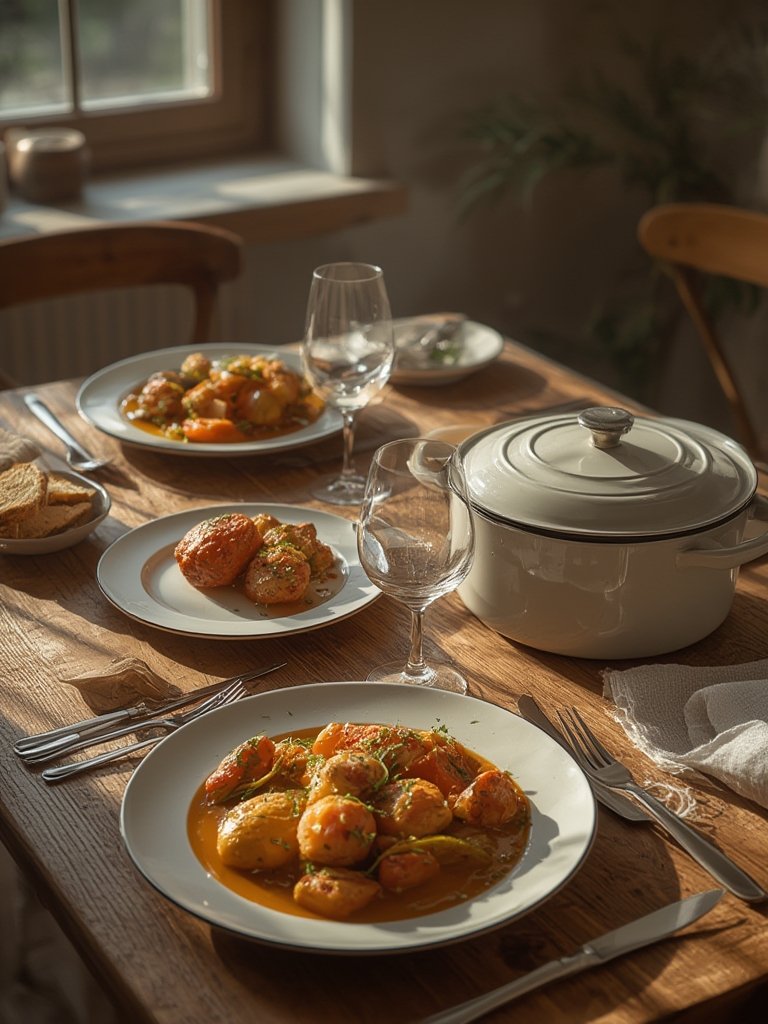
Proper care keeps your Le Creuset looking—and performing—its best for decades. While many treat their cookware with extra caution, the enamel finish is built for resilience so long as you avoid a few key pitfalls. Based on recommendations from Le Creuset’s official care page and chemistry-informed experts:
- Before cooking: Always preheat on low-medium heat for 2–3 minutes; never use high heat on an empty pot.
- Utensils: Use wood, silicone or heat-safe plastic to prevent marks and nicks. Stainless utensils are generally fine but avoid metal scrapers/knives.
- Cleaning: After use, let the cookware cool—do not plunge hot pans into cold water (prevents thermal shock and enamel cracks).
- Stain/mark removal: For stuck-on food or brown marks, soak with warm water and baking soda, then clean with a soft sponge. For stubborn stains, a gentle non-chlorine cleaner is recommended (Bar Keepers Friend powder is Le Creuset-approved).
- Storage: Store with lids off or with a paper towel between base and lid to allow air flow and prevent odors.
- Seasoning: Le Creuset’s enamel cast iron does not require seasoning—unlike bare cast iron. Applying oil seasonings is unnecessary and can lead to build-up.
For more advice on keeping your kitchen essentials working longer and cleaner, you might also enjoy our water filter pitcher guide and reusable paper towels tips.
Pricing, MSRP norms, typical discounts and where to find authentic value in 2024
Pricing remains a key factor. For 2024, here are the typical MSRP bands for major Le Creuset cast iron pieces (sourced from the official site and authorized retailers):
- Round Dutch oven, 5.5 qt “Signature”: $420–$460
- Round Dutch oven, 4.5 qt: $370–$400
- Oval Dutch oven, 6.75 qt: $400–$470
- Skillet, 10.25 inch: $200–$240
- Saucepans, 2–4 qt: $250–$340
Discounts and value: Seek out:
- Le Creuset Outlet stores and the company’s official outlet sales, usually offering up to 25% off on “last call” colors or discontinued shapes.
- Seasonal promotions at Williams-Sonoma, Sur La Table, and Crate & Barrel—look for real discounts around Black Friday, major holidays, and summer kitchen events.
- Factory-to-table events (popups in select US cities; watch the Factory to Table page).
- Rare model/color finds at specialty culinary shops, with authenticity guaranteed.
- If the price seems “too good to be true” (esp. on marketplaces or unknown websites), be cautious—counterfeits exist and are visually convincing.
- Check for clear, etched Le Creuset logos underneath and cast-in size numbers (France-made marks are consistently sharp).
- Authorized retailers will always provide warranty documentation—gray market sellers won’t.
- “Outlet exclusive” colors are limited to direct and official discount channels.
Want to maximize other kitchen upgrades? Browse our guides on drawer organizers and magnetic spice racks for more home cook value finds.
Warranty, repair services and customer support — what buyers should expect
Le Creuset offers a well-respected limited lifetime warranty on enameled cast iron cookware. According to their official warranty policy:
- Covers defects in materials and workmanship (cracking, chipping from regular use, discoloration not caused by misuse).
- Excludes damage from drops, overheating, or dishwashers outside care recommendations.
- Proof of purchase and product registration are usually required for claims (retail and direct buyers both eligible).
- Response times can vary, but verified owners regularly report efficient repair or replace outcomes—especially on newer models or clear factory faults.
Compared to Staub and Lodge, Le Creuset’s warranty process is slightly tighter and requires better documentation—but is among the best for premium brands. Always read the fine print based on your purchase locale and keep your order information saved.
Three high‑value topics competitors underplay (opportunities to stand out)
Top-ranking articles often gloss over these specifics, but they genuinely matter for buyers weighing long-term value and authenticity:
- 1. First-party sales & customer demographic mix: Le Creuset’s exclusive 1P distribution gives buyers protection against counterfeits, direct access to the brand, and best warranty coverage. With 14% of buyers aged 18–24 and 29% low-income (2024 data), the product is less “elite-only” than believed.
- 2. US retail dominance and availability: 51% of Le Creuset’s sales are US-based, with 90 dedicated American stores (600+ globally). This means easier returns, support, and faster access to new colors/launches than competing brands.
- 3. 300+ quality checkpoints: Production includes roughly 300 separate QC stages. This reduces the odds of receiving a flawed or “seconds” piece and supports strong resale prices—most rivals mention quality in general terms but lack this degree of manufacturing transparency (Research: TIME/ECDB).
For those passionate about kitchen organization and product authenticity, also see our Pokemon kitchenware tips—a playful, collectible perspective with surprising overlap in resale habits and authenticity checks.
Practical buying checklist & conclusion (Is Le Creuset right for you?)
Use this quick decision checklist to see if Le Creuset fits your needs:
- Do you cook at least 2–4 times a week and want a piece to last decades?
- Are you comfortable with heavier cookware, or is weight reduction a must?
- Is heat retention, even cooking, and style (color/aesthetics) a priority?
- Will you use the item on induction, gas, and/or in the oven regularly?
- Is long-term warranty support and easy US retail access important to you?
- Can you verify your purchase is from an authorized source with real warranty?
Our final verdict: Le Creuset is a “must-buy” for home cooks who want top-tier performance, rich color options, and certainty against defects—especially if you value warranty and resale. If you’re budget-conscious or don’t need the aesthetics, consider Staub for a close premium match, or Lodge/Tramontina for tight budgets.
If you’re ready, Le Creuset is best purchased via direct outlets or trusted retailers; compare models and prices mindfully. And if you’re building a thoughtfully upgraded kitchen, see our guides to standing desk comfort, home entertainment upgrades, or lighting transformations for more inspiration!
FAQ
Which shapes and sizes are best for a first-time Le Creuset buyer?
The 5.5 qt round Dutch oven is the brand’s most versatile piece—ideal for bread baking, stews, pasta, and roasts. Skillets (10.25″) or a 3.5 qt braiser also make excellent starter investments for smaller kitchens or side dishes.
How heavy are Le Creuset Dutch ovens compared to other brands?
Le Creuset Dutch ovens are comparable to Staub and slightly heavier than Tramontina/Lodge equivalents. Expect around 7–8 lbs empty (5.5 qt), 11–13 lbs when full. Factor this into cabinet placement and handling.
Can you use Le Creuset on induction stovetops and in the oven?
Yes—Le Creuset enamel cast iron is compatible with induction, gas, electric, and ceramic stovetops. Oven use is safe up to 500°F with metal knob (check your model for specifics).
What warranty coverage does Le Creuset provide in the US?
Le Creuset offers a limited lifetime warranty for enameled cast iron in the US, covering manufacturing defects and early chipping/cracking due to normal use. Registration and proof of purchase are required for claims.
Are there signs of fake Le Creuset pots when shopping?
Yes—fakes often lack sharp logo/size stampings on the base, use off-color knobs, or display poor-quality enamel. Only shop with authorized sellers and use Le Creuset’s authenticity checklist above. Warranty claims on gray-market items are typically denied.