


Kitchen Drawer Organizer solutions have become an essential part of making modern kitchens functional, tidy, and enjoyable. If you’ve ever struggled to find the spatula buried beneath a tangle of utensils, you know how valuable the right organizer can be. In this guide, you’ll uncover the real trends, practical advice, and smart buying considerations—so you can finally transform your kitchen chaos into calm order.
Key Takeaways
- Kitchen drawer organizers are in high demand, with strong market growth driven by customization, sustainability, and online purchases.
- Material choice directly impacts durability, hygiene, and environmental footprint—glass is rising in popularity for health reasons.
- Space optimization and eco-friendly features represent major opportunities where many products still fall short.
- What Is a Kitchen Drawer Organizer, and Why Should You Care?
- How to Choose and Organize Your Drawers: Practical Steps
- Advanced Insights and Common Pitfalls
- Conclusion
- FAQ
What Is a Kitchen Drawer Organizer, and Why Should You Care?
A kitchen drawer organizer is any insert, tray, or flexible system designed to bring order to messy drawers. It separates utensils, cutlery, gadgets, and even spices, so everything has a predictable place. In today’s homes—where functionality and aesthetics matter more than ever—an organizer can save you time and frustration every day.
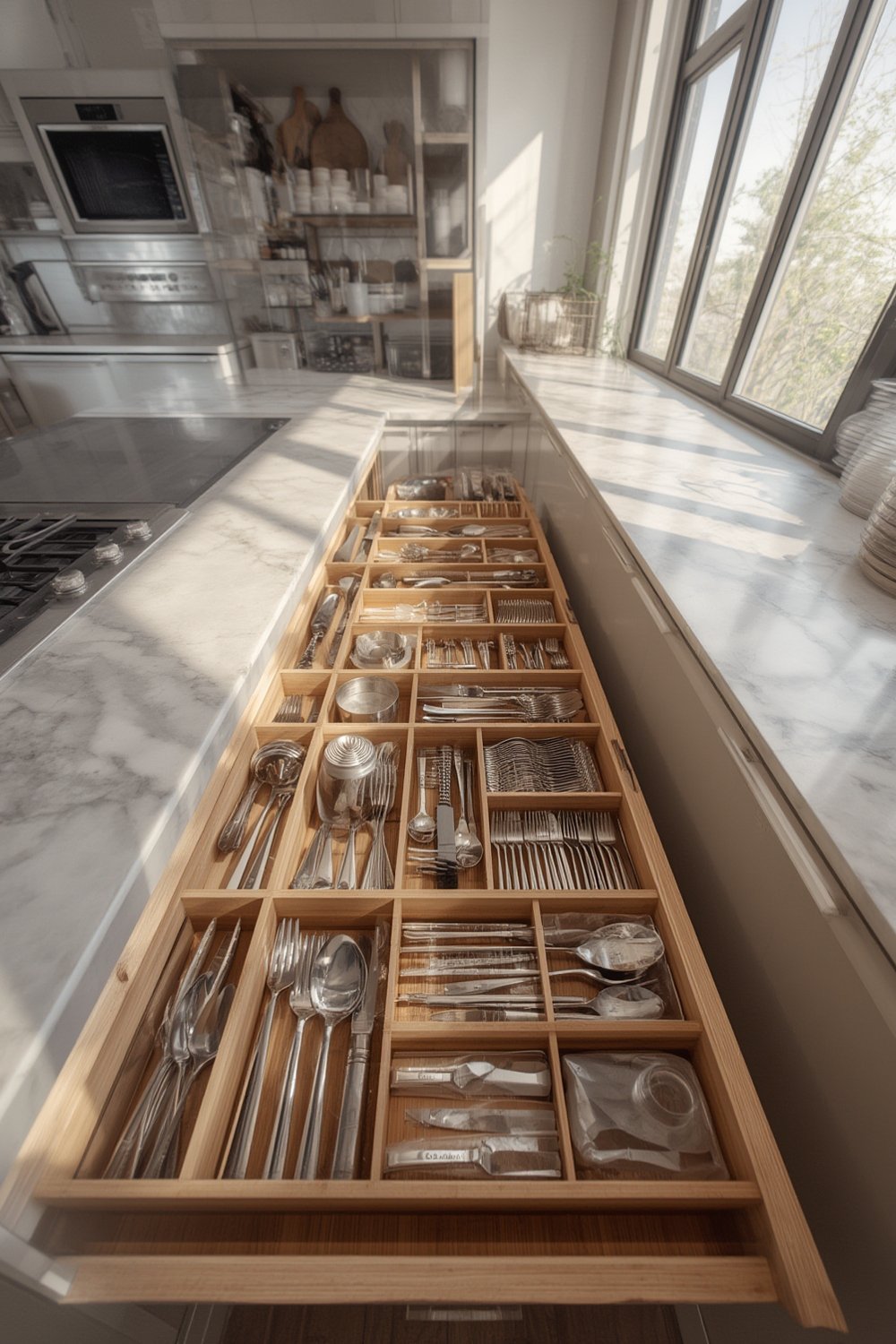
But there’s more to it than just tidying up. The global kitchen drawer organizer market hit $5.2 billion in 2024, with strong growth fueled by the demand for home organization, customization, and solutions for small spaces. Kitchen organization solutions are among the most sought-after home upgrades, especially as remote work and compact living rise.
Choosing the right drawer organizer comes down to a few key questions: Which materials suit my preferences for hygiene and durability? How much customization do I need? And how can I fit everything (and everyone’s habits) into a coherent, uncluttered system?
You’ll find cutlery tray organizers in a range of materials—plastic, bamboo, wood, metal, and increasingly, glass. Durable, adjustable organizers are particularly popular, especially in the DIY and small apartment segment. Meanwhile, homeowners are becoming more mindful of sustainability, so eco-friendly choices are gaining traction, but are not always easy to find. For more details on the market’s direction and overlooked features, see the US Kitchen Organizers Market report.
How to Choose and Organize Your Drawers: Practical Steps
Whether you’re about to declutter your drawers for the first time or upgrading to a more functional system, there are a few logical steps to ensure your kitchen drawer organizer actually works for your lifestyle.
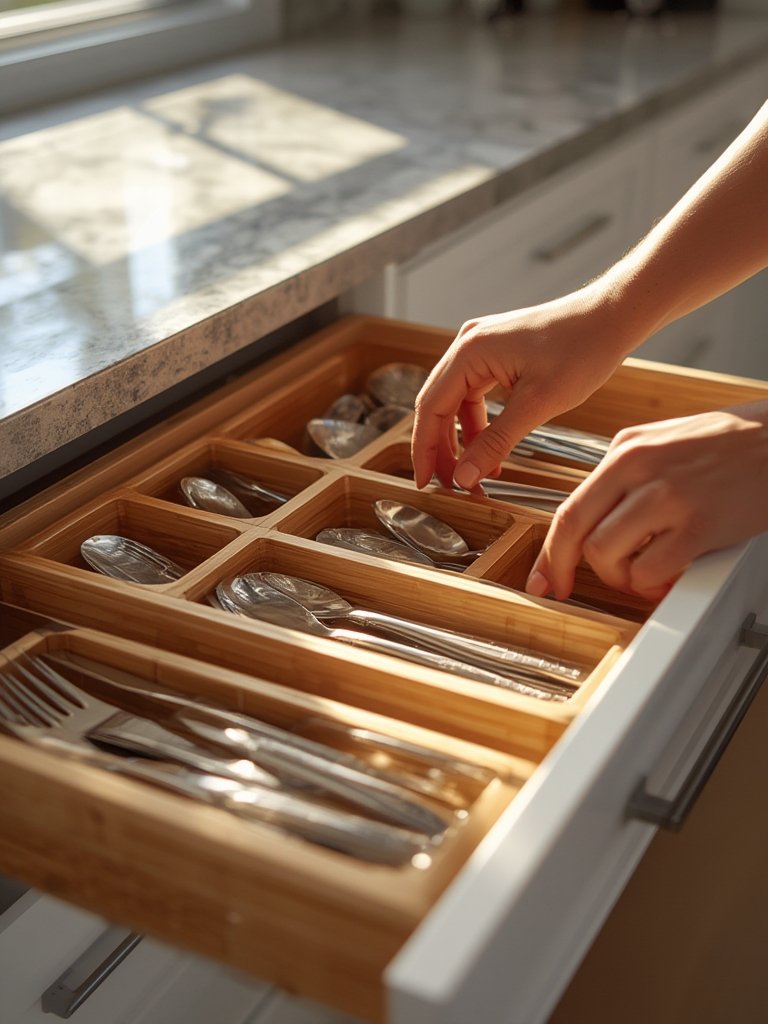
- Empty and Evaluate: Start by removing everything from your drawer. Group items (spoons, knives, bottle openers, etc.) and get rid of duplicates or what you never use.
- Measure Everything: With an empty drawer, use a tape measure to record the interior length, width, and height. Note any obstructions or appliances like drawer slides that affect available space.
- Decide What Stays: Assign top-priority items for that drawer. Usually, you want to keep frequently used tools most accessible.
- Pick Your Organizer: Choose an organizer based on your measurements, preferred material, and number of compartments. For deep drawers, a cookware organizer may work better; for shallow ones, go for low-profile cutlery trays or custom dividers.
- Arrange and Adjust: Place your organizer inside and adjust compartment arrangements as needed. Expandable or modular designs can help if sizes don’t match perfectly. Remember, it’s fine if not everything fits perfectly—sometimes less is more.
- label each compartment: If you have a large household or vacation rental, label each compartment—especially if you include specialty gadgets or want guests to tidy up easily.
- Routine Maintenance: Wipe out organizers monthly and check for crumbs, spills, or items that migrate. This simple habit saves time and keeps things sanitary.
Thinking about organizing more than just utensils? Explore our detailed guides on pantry storage and under-sink organization for a holistic kitchen overhaul.
Advanced Insights and Common Pitfalls
While their purpose seems simple, kitchen drawer organizers present several practical challenges and trade-offs that homeowners may not expect at first. Let’s break down some advanced insights using current research and user experience:
| Material | Durability | Hygiene | Sustainability | Notes |
|---|---|---|---|---|
| Plastic | Good | Easy to clean, but may scratch or stain | Low to moderate | Affordable but can be less eco-friendly |
| Glass | Excellent | Does not absorb odors; inert, safe | High (recyclable) | Heavier, typically used for specialty trays |
| Metal | Excellent | Prone to fingerprints or rust if not stainless | Moderate | Sleek look, better for heavy-duty tools |
| Bamboo/Wood | Good to excellent | May retain moisture, needs regular cleaning | High if sustainably sourced | Warm aesthetic, fits many decor styles |
According to the latest market research, glass organizers are gaining popularity due to their hygiene and sustainability, but most affordable options in stores remain plastic. Meanwhile, the market is shifting steadily toward customization, with adjustable dividers and modular sets topping buyer wish lists for 2024 and beyond.
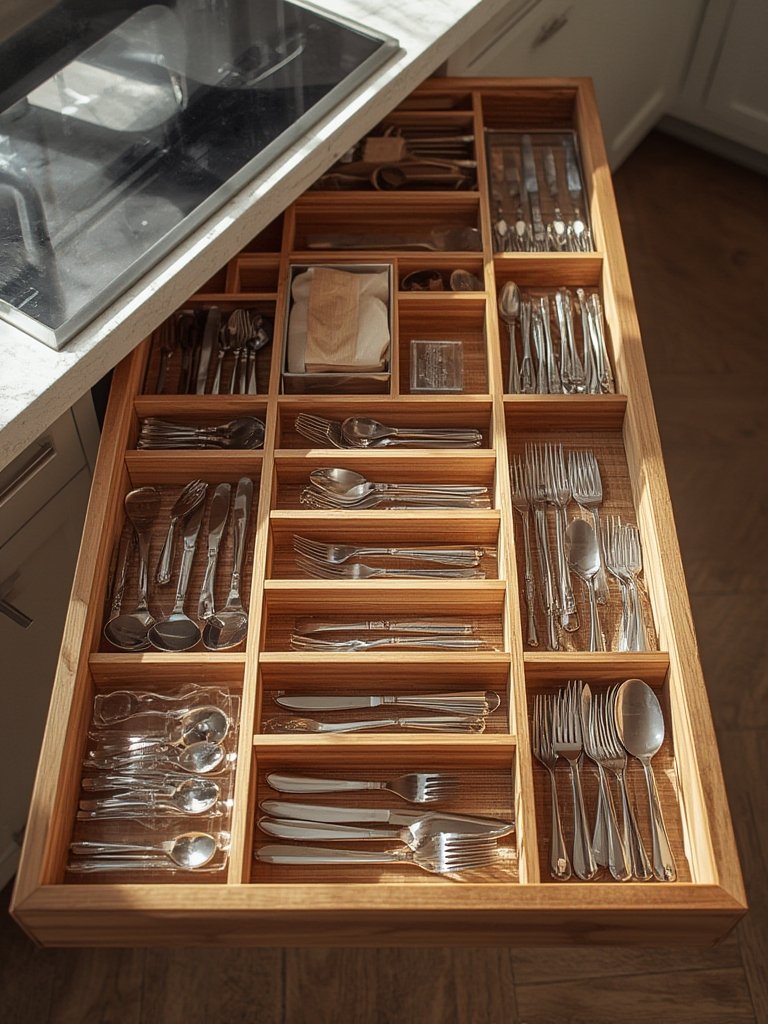
Common pitfalls include:
- Poor fit—organizers that slide around or waste space due to incorrect sizing.
- Material mismatch—bamboo looks stylish but may warp in humid kitchens, while cheap plastics can crack.
- Lack of versatility—fixed trays can’t adapt if you change utensils or kitchen layout down the road.
- Skimping on quality—overly thin dividers or weak joints mean the organizer won’t last, especially in busy households.
Want to dig deeper into real product reviews? While this post focuses on trends and essentials, explore our brand comparison roundup and trusted external reviews for side-by-side product testing and user feedback.
It’s also worth noting that most off-the-shelf organizers overlook true sustainability (recycled content, end-of-life recyclability) and deep customization options. If those matter to you, consider modular or even 3D-printed solutions, or seek out vendors specializing in eco kitchenwares.
Finally, while initial product costs and features are widely advertised, it’s hard to find transparent info on expected lifespan or maintenance. Aim for well-constructed, easy-to-clean trays—especially for high-traffic households or rental properties.
Conclusion
The right kitchen drawer organizer can save you time, reduce frustration, and keep your kitchen healthier and more inviting. As trends shift toward customization, durability, and sustainability, there are more choices—and more potential pitfalls—than ever before. Whether you’re organizing your cutlery, utensils, or gadget drawer, focus on honest measurements, adaptable layouts, and materials that suit your values.
Ready to take the next step? Explore our in-depth decluttering tutorial or browse our curated list of top-rated kitchen drawer organizers to find your perfect match.
FAQ
What is the most hygienic material for a kitchen drawer organizer?
Glass and metal organizers are the most hygienic, as they do not absorb odors or stains and are easy to clean. Glass, in particular, is inert and doesn’t release any chemicals.
How do I keep my drawer organizers from sliding around?
Look for organizers with built-in grips or add non-slip drawer liners underneath. Expandable side panels or modular pieces also help minimize unwanted movement.
Are sustainable kitchen drawer organizers widely available?
While demand for eco-friendly options is growing, truly sustainable organizers (made from recycled content or fully recyclable materials) are still less common in retail stores. For the most sustainable choices, consider bamboo (ideally certified), glass, or seek brands emphasizing environmental transparency.
Can I use kitchen drawer organizers outside the kitchen?
Absolutely. Many people use them for organizing office supplies, bathroom drawers, or hobby tools—just make sure the dimensions match your intended space.
What should I do if I can’t find an organizer that fits my drawer?
Try modular sets that let you arrange different compartments as needed, or create a custom solution using simple dividers from a home improvement store. Some companies also offer custom-fit options based on your measurements.