


IKEA recycled glass countertops are getting a lot of attention among homeowners who want sustainable options for their kitchens, but navigating the facts versus marketing claims isn’t straightforward. If you care about the real environmental impact, installation logistics, and true costs—and not just the glossy showroom features—this evidence-based guide gives you the right questions to ask and what to verify before you buy.
Key Takeaways
- IKEA LOCKEBO recycled glass countertops are made from at least 80% recycled glass, but IKEA does not clarify how much is post-consumer versus post-industrial or provide independent data on environmental impact.
- Pricing is competitive for eco friendly kitchen surfaces (listed at $63–$99/sq ft for material), but installed costs are higher and must include templating, delivery, and fitting—always request a full quote to avoid surprises.
- Durability, stain-resistance, and maintenance are strong, but long-term owner reviews, LCA data, and third-party certifications are missing—make sure to verify the warranty and ask specific sourcing and quality questions before deciding.
- What are IKEA recycled glass countertops (quick product snapshot)
- What “80% recycled glass” actually means — composition & sourcing explained
- Environmental benefits — claims vs. proven data
- Installation process, lead time, and what IKEA includes (and what they don’t)
- Cost breakdown and how IKEA compares to other options
- Maintenance, durability, and warranty — real-world care guidance
- Reported customer experiences and known unknowns (what reviews/forums reveal)
- Performance vs. other eco friendly kitchen surfaces (what to compare)
- Top 3 content gaps and the must-answer buyer questions
- Sources to cite and primary reporting to do (research checklist for the writer)
- Conclusion
- FAQ
What are IKEA recycled glass countertops (quick product snapshot)
IKEA’s recycled glass countertops—sold under the LOCKEBO product line—are a custom-made, glass-composite surface that brings a “stone-like” look and eco-focused story to modern kitchens. Each slab consists of at least 80% recycled glass blended with resin to create a hard, non-porous material. Shoppers can choose from several finishes, including white mineral, gray stone, white marble, black marble, and lively marble effects.
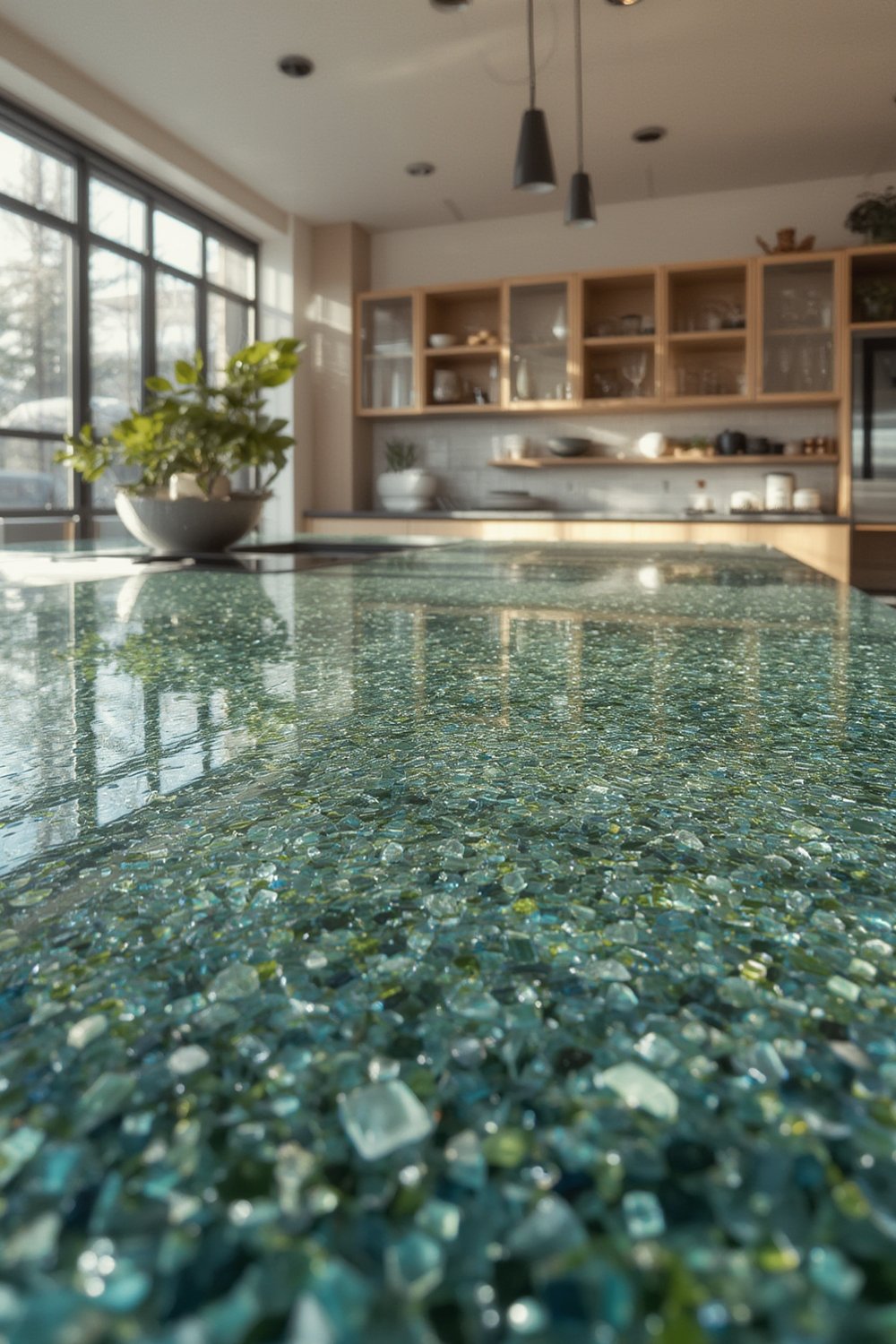
What makes these countertops stand out at IKEA is the degree of customization: you can specify length, depth, sink and cooktop cut-outs, edge styles, and even under-mounted sinks—with templating and professional installation available. All elements are ordered through IKEA, enabling a coordinated process and finish no matter your kitchen’s size or shape.
According to IKEA’s published specs, LOCKEBO glass composite countertops meet durability expectations: they’re hard, non-porous, and resist stains, moisture, and scratches better than many traditional stone or laminate counters. Plus, there’s no need to regularly reseal the surface—making upkeep simple for busy households.
For visuals and up-to-date finish swatches, see IKEA’s official LOCKEBO page.
What “80% recycled glass” actually means — composition & sourcing explained
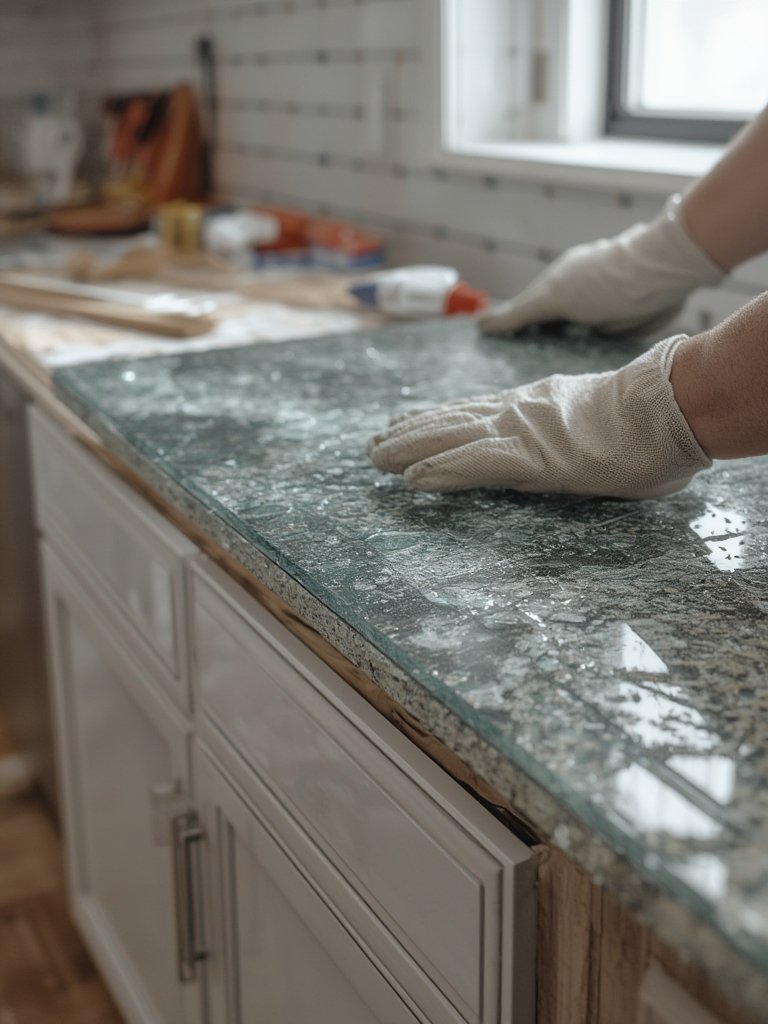
IKEA’s recycled glass countertops are advertised as made from “at least 80% recycled glass.” However, that figure hides a key detail: public sources don’t clarify whether this recycled content comes mostly from post-consumer (e.g., discarded bottles, windows) or post-industrial (factory scraps) sources—information that matters if you prioritize maximal landfill diversion and environmental impact.
Here’s what’s confirmed as of 2024:
- LOCKEBO recycled glass composite is at least 80% recycled glass by weight (source).
- No official splits between post-consumer and post-industrial glass are published.
- IKEA does not list the country of origin or suppliers for the recycled glass in any of its English-language product disclosures.
For eco-minded buyers, the difference is significant. Post-consumer glass reduces landfill waste and has a higher sustainability value than post-industrial scrap that might otherwise be reused anyway. If you want to ensure meaningful impact, always request documentation (or, at minimum, a written breakdown) before assuming a countertop’s real-world environmental benefit.
Environmental benefits — claims vs. proven data
IKEA advertises LOCKEBO as a sustainable choice, based on its high recycled glass content. But does that mean you’re doing the environment a favor compared to other surfaces? Here’s what you need to know based on public data and missing evidence:
| Environmental Claim | What IKEA Provides | What’s Missing/To Verify |
|---|---|---|
| ▶ High recycled content (80%+) | Published in specs and product pages | No post-consumer % or sourcing disclosures |
| ▶ Lower embodied carbon than traditional stone | No LCA (Life Cycle Analysis) or carbon data published | No third-party reports or certifications found (GreenGuard, UL, etc) |
| ▶ Avoids landfill waste | Implied via recycled content | No figures on actual landfill diversion |
| ▶ Non-toxic/Low-VOC | No explicit VOC or emissions ratings disclosed | Check with IKEA for specific certifications or MSDS sheets |
As of early 2024, there are no independent life-cycle analyses, embodied carbon figures, or third-party environmental certifications for LOCKEBO countertops in any public IKEA sources. This makes it difficult to compare real impact versus other eco friendly kitchen surfaces like PaperStone (recycled paper composite) or IceStone (recycled glass), both of which publish LCA studies and independent certifications.
What should shoppers do? Make any purchase decision conditional on IKEA (or your installer) providing at least a “recycled sourcing” breakdown and, ideally, direct you to LCA-style evidence or detailed environmental claims from suppliers. Until then, LOCKEBO’s sustainability rests mostly on the high recycled content—not on proven, third-party–verified benefits.
Installation process, lead time, and what IKEA includes (and what they don’t)
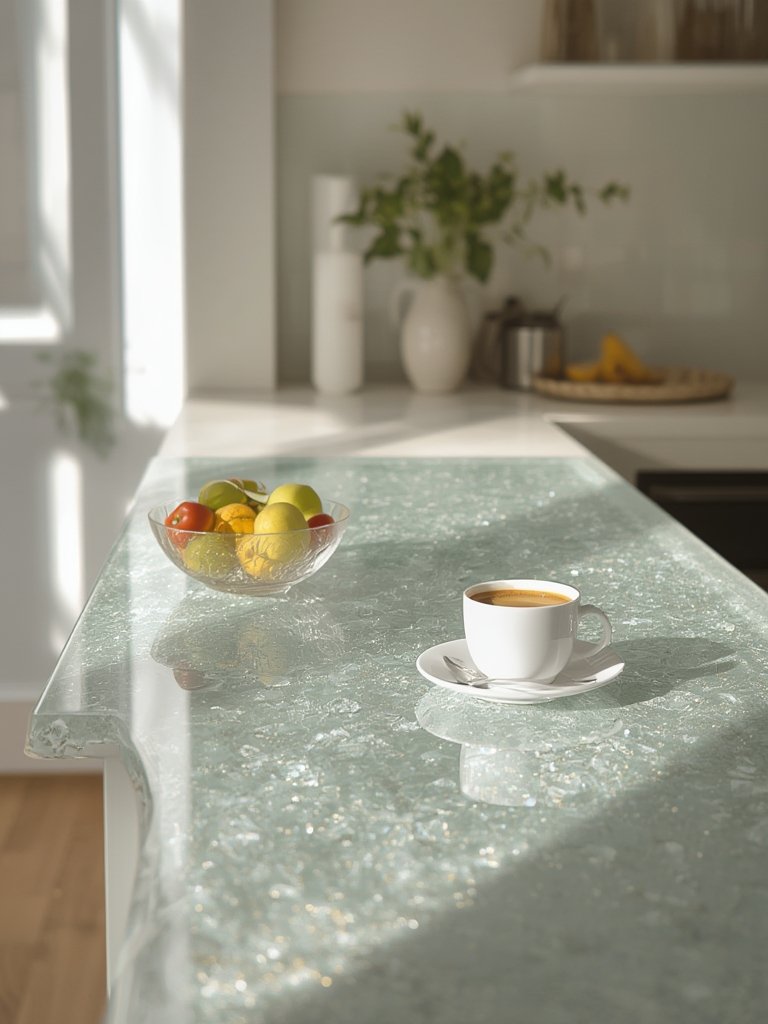
Ordering LOCKEBO glass composite countertops from IKEA is a multi-step process designed for customization—but you must read the fine print:
- Planning/Design: Use IKEA’s kitchen software or work with an in-store specialist to configure your countertop size, depth, required cut-outs (sink, cooktop, faucet), and edge finish. Bring all appliance specs to your design visit.
- Templating (Measurement): Once the order is placed, an IKEA-approved installer will visit your home to create a laser-accurate template (included in installed cost; not included for supply-only orders).
- Fabrication: The countertop is factory-made to your template, with all cut-outs and edge options selected during planning. Lead times will vary from 3–8 weeks depending on demand and customization.
- Delivery & Installation: Professional delivery and installation (including under-mount sink mounting, joining seams, and final polish) are offered—quoted separately and performed by IKEA’s contractor network.
What’s included: Custom sizing; all edge and cut-out options; hard, non-porous worktop; templating and installation (if purchased as a package); and limited lifetime warranty coverage (see warranty PDF for details).
What’s not included or to verify: Plumbing or electrical work; faucet or appliance installation beyond basic mounting; and repairs to cabinetry or substrate not up to spec. Always confirm with both IKEA and your assigned installer which tasks are part of their scope before finalizing the order. If you’re in a DIY/remodel phase, factor in extra time for template and fabrication—especially if coordinating with other trades (plumber, electrician, cabinet refacer).
Curious about comparing installation flows? Check how butcher block install or quartz worktop installs differ in process and flexibility for DIYers.
Cost breakdown and how IKEA compares to other options
IKEA’s published LOCKEBO glass composite countertop prices (as of May 2024) range from $63.20–$99.00 per square foot (source). These numbers are material only and do not reflect templating, delivery, or installation—additional charges that are almost always necessary unless you are a professional installer.
| Countertop Material | Typical $/sq ft (Material) | Total Installed Range* | Notes |
|---|---|---|---|
| IKEA LOCKEBO Recycled Glass | $63–$99 | $110–$160+ | Templating & install extra. Needs full quote. |
| Quartz (mainstream, brand) | $55–$95 | $110–$175 | Includes popular eco blends (e.g. Silestone) |
| Recycled Paper Composite (PaperStone, Richlite) | $55–$80 | $110–$140 | Good LCA/cert data. Limited local install pros. |
| Premium Granite | $60–$120 | $120–$200+ | Not recycled content. Needs periodic sealing. |
| Other Recycled Glass (IceStone, Vetrazzo) | $85–$120 | $160–$200+ | Often higher post-consumer %, great color. |
*Total installed cost is a typical US subtotal for a completed 40–50 sq ft kitchen worktop with standard install. Always get a project quote—price varies by market and installer.
LOCKEBO stacks up very well on upfront price (even more so if IKEA runs a sale), but do not make decisions based solely on published $/sq ft. Installation, templating, under-mount sink installation, and delivery can add 60%+ to the base price, and you’ll want to compare the whole package to what you’d get from local countertop yards and specialty eco friendly kitchen surfaces brands.
Cost/Value Checklist:
- Always confirm: Is your quote “material only” or “complete install”?
- Ask for labor, delivery, and templating line items in writing.
- Request a warranty document as part of your quote to confirm coverage.
You can use a simple worksheet like:
| Estimated size (sq ft): | __________ |
| Material cost ($/sq ft): | __________ |
| Templating/Delivery: | __________ |
| Installation: | __________ |
| Total Estimate: | __________ |
For further comparison, see our breakdowns on kitchen cabinet costs and sustainability swaps.
Maintenance, durability, and warranty — real-world care guidance
LOCKEBO recycled glass countertops deliver some key practical benefits in the kitchen. The surface is non-porous, doesn’t require sealing, and is highly resistant to stains, moisture, and scratches—handling daily messes and spills without tedious maintenance.
| Maintenance Do’s | Maintenance Don’ts |
|---|---|
|
|
Warranty coverage: IKEA offers a limited lifetime warranty on LOCKEBO countertops. Coverage includes manufacturer defects and normal use, but does not cover improper installation, use of inappropriate cleaners, or damage from excessive heat on seams. Always request the warranty PDF for your records and confirm whether your installer is IKEA-certified—non-certified install may void coverage.
Real-world usage tips:
- Although LOCKEBO resists stains and moisture, seams are the weak spot—avoid direct exposure to heat or soaking spills over joints.
- Daily cleaning is as simple as a wipe with dish soap and warm water; aggressive chemicals are not needed or recommended.
- For best longevity, periodically check seams, especially after heavy impact or temperature swings.
For more expert care guidance, compare with quartz countertop care or check our butcher block maintenance tips.
Reported customer experiences and known unknowns (what reviews/forums reveal)
Despite the growing popularity of IKEA recycled glass countertops, there are no published customer reviews, major forum threads, or complaint reports in public sources as of early 2024. This lack of feedback is unusual for an IKEA kitchen product, and it makes due diligence even more important for shoppers seeking real-world expectations.
- No consumer reviews or aggregated satisfaction ratings found
- No video walkthroughs or installation stories available in forums (Houzz, Reddit, etc.)
- No reports of warranty claims, common defects, or frequent complaints (delays, scratches, seam failures)
If you want to know the truth about performance, seek out recent buyers or ask your installer if you can see a past project in person.
Here’s a suggested investigative approach:
- Check large forums (Houzz, Reddit r/kitchens, GardenWeb) for recent buyers or installer Q&A threads on IKEA glass composite.
- Ask your local IKEA showroom if they can connect you with a LOCKEBO countertop owner for reference or inspection.
- Email countertop installation companies in your area: “Have you installed LOCKEBO recycled glass counters? What issues (if any) came up during or after install?”
While this may take extra effort, firsthand info from real users is the only way to get beyond sales-floor talking points—especially on durability, seam quality, and satisfaction years after install.
Performance vs. other eco friendly kitchen surfaces (what to compare)
Comparing IKEA recycled glass countertops with other eco friendly kitchen surfaces isn’t easy—largely because IKEA hasn’t published head-to-head testing or embodied carbon scores. Still, you can use a simple criteria table when shopping or requesting information from vendors:
- Durability (impact, scratch, chip resistance)
- Stain/Heat Resistance (can it take hot pans, red wine, or acidic spills?)
- Maintenance (sealing required, cleaning hassle, sensitivity to chemicals)
- Price to value (how does installed price compare?)
- Recycled Content: Transparency (independent certifications, % split, embodied carbon disclosure)
- Warranty (duration, what’s covered/excluded)
For other green countertop types, examine:
- Recycled paper/composite brands (e.g., PaperStone, Richlite)
- Other recycled glass brands (IceStone, Vetrazzo, Curava)
- Quartz surfaces with recycled content (Silestone Eco Line, Diresco, Caesarstone recycled series)
- Reclaimed wood or bamboo
While IKEA publishes clear maintenance guidelines and surface specs, they provide no direct comparisons or benchmark testing. For that reason, you may want to reference green building comparison studies like this countertop material survey from Healthy Building Network, or ask if your installer has installed/worked with alternative eco surfaces and can compare results fairly. Always request as much written documentation as they’ll provide—especially for environmental sourcing and certifications.
If countertop sustainability is your #1 priority, see our comparison of sustainable kitchen swaps or review filtered water solutions to pair with your remodel.
Top 3 content gaps and the must-answer buyer questions
Spec-driven shoppers want evidence and real answers, but current IKEA LOCKEBO documentation leaves several gaps. Here are the three biggest information blind spots, and what you can do to get answers before you commit:
- Breakdown between post-consumer and post-industrial recycled glass
Short Answer: Not published; must be requested from IKEA materials team or customer support.
Action: Ask in writing and request documentation for “full recycled source breakdown.” If refused, ask your installer or check if competitor glass brands offer higher post-consumer content. - Independent environmental impact evidence (LCA, certifications)
Short Answer: No LCA (life cycle analysis), GreenGuard, or other third-party certifications are available in public sources.
Action: Request as a condition of sale or compare with recycled glass countertops from other providers with published data. - Long-term field performance, scratches, and seam issues (user reviews)
Short Answer: No user reviews or installer reports appear on IKEA or major forums as of 2024.
Action: Ask installers about observed issues; search forums; and, if possible, visually inspect a LOCKEBO install in person before purchase.
Who should you check with, and what should you ask? Use this checklist:
- Ask IKEA: Can you provide a recycled content breakdown by type and source?
- Ask installer: What issues have you seen in LOCKEBO installations (seams, chips, fabrication errors)?
- Ask both: What exactly is covered/excluded in the warranty and install fee?
A little homework up front ensures no surprises once your new eco friendly kitchen surface is installed.
Sources to cite and primary reporting to do (research checklist for the writer)
For buyers seeking real transparency—and writers hoping to fill the data gaps—here’s the research trail to follow. Make this your checklist before finalizing any purchase:
- IKEA LOCKEBO product pages and kitchen planning microsites (US example, Canada example)
- IKEA guarantee and warranty documentation (requestable PDF from your local store)
- Direct questions to IKEA customer support or the countertop supplier about recycled glass sourcing, LCA or environmental test reports, and installation process documentation
- Collect installer quotes (ask both IKEA installers and independent countertop pros about their experience with LOCKEBO and similar recycled glass surfaces)
- Scrape/investigate forums or retailer reviews for firsthand user feedback
- Compare other eco friendly countertop options (PaperStone, Richlite, IceStone, Silestone Eco Line, Vetrazzo)
For more tips and insights on home upgrades, check our guides to portable blenders and kitchen drawer organization while planning your kitchen remodel.
Conclusion
IKEA recycled glass countertops offer a strong sustainability story, practical durability, and streamlined installation—but not all evidence is in, and careful buyers will want more source transparency before signing off. To get the best value and real environmental gains, ask the right questions about recycled content, get a detailed cost breakdown, and compare available alternatives for both green credentials and long-term satisfaction.
Ready to shop responsibly? Start with this checklist:
- Request a post-consumer vs. post-industrial breakdown for recycled content—confirm in writing.
- Insist on a full, installed cost estimate—itemize material, templating, delivery, and install.
- Ask to see the warranty document and clarify what’s covered and what voids it.
- Speak to other owners and installers if possible to confirm real-world durability and satisfaction.
For a printable version of this worksheet—plus recommended installer questions—email us for a free PDF. And for more kitchen upgrade advice, browse our guides to quartz countertop care and lead-free water filtration next.
FAQ
What finishes and colors do IKEA recycled glass countertops come in?
LOCKEBO recycled glass countertops are available in white mineral, gray stone, white marble, black marble, and lively marble effect. Visit your local IKEA showroom or the official product page for current swatches.
Do IKEA recycled glass countertops require sealing?
No—LOCKEBO recycled glass composite is non-porous and does not require any sealing. Regular cleaning with water and mild soap is all that’s needed.
What is covered under the IKEA LOCKEBO countertop warranty?
The limited lifetime warranty covers manufacturer defects and normal use, but excludes damage from improper installation, use of harsh chemicals, or direct heat over seams. Confirm the official warranty brochure when ordering.
How do IKEA recycled glass countertops compare to quartz and recycled paper countertops?
LOCKEBO compares similarly on price and durability, but lacks the independent LCA data and post-consumer content breakdowns offered by some quartz and recycled paper brands. Always ask your installer for direct experience across materials.
How long does it take to get a LOCKEBO countertop installed?
Order to completed install typically ranges from 3 to 8 weeks, depending on your kitchen’s complexity, installer backlog, and custom feature choices.