


GeoBin compost bin users are often searching for an honest, practical solution to cut yard waste and create compost affordably at home. If you have a medium to large suburban yard and want big results for little cost—or effort—the details and real trade-offs behind one of the best compost bin for home choices matter more than hype. Here’s what to expect, what no one else warns you about, and why the GeoBin hits a budget-friendly composting sweet spot for many homeowners.
Key Takeaways
- GeoBin compost bin delivers huge yard waste capacity and fast, tool-free setup for under $40, making it the best compost bin for home use if price and batch size matter most.
- It excels at fast reduction of grass, leaves, and even manure with proper layering and moisture, but lacks insulation for winter or kitchen scrap-heavy composting.
- Plan for springiness at setup, dry spots during hot spells, no real pest barrier, and expect some learning curve if you’re new to large, open system composting.
- Quick verdict — who should buy the GeoBin and why
- What the GeoBin is — product overview and how the expandable open system works
- Pros and cons — succinct strengths and weaknesses based on user reports
- Real-world performance — composting speed, waste reduction, and finished compost quality
- Materials supported, capacity and ideal load types (what to put in — and not)
- Limitations & seasonal performance — cold weather, pests, and moisture management
- Assembly, setup hacks and common user troubleshooting
- How GeoBin stacks up vs. other top “best compost bin for home” options in 2024
- Durability, warranty and long-term concerns buyers should ask about
- Top informational gaps readers need answered (what other articles miss)
- Buying checklist & quick FAQ — final decision tools
Quick verdict — who should buy the GeoBin and why
If you’re a homeowner with a medium to large yard, lots of grass or autumn leaves, and you want low-cost, high-capacity composting that works without fancy moving parts, the GeoBin compost bin is the most wallet-friendly and practical open-air design currently available. For around $35–$38, you get an adjustable, open-mesh bin holding 216–246 gallons (about 1–1.5 cubic yards) per unit—enough for a season’s worth of typical yard waste. It’s best for “cold to warm” pile yard composting, with no insulation for cold climates or kitchen-heavy waste. Setup is fast and frustration-free. The main downside: expect some dryness and a lack of pest-proofing or fancy access doors, but for value and simplicity, it’s tough to beat for big, yard-based compost batches.
What the GeoBin is — product overview and how the expandable open system works
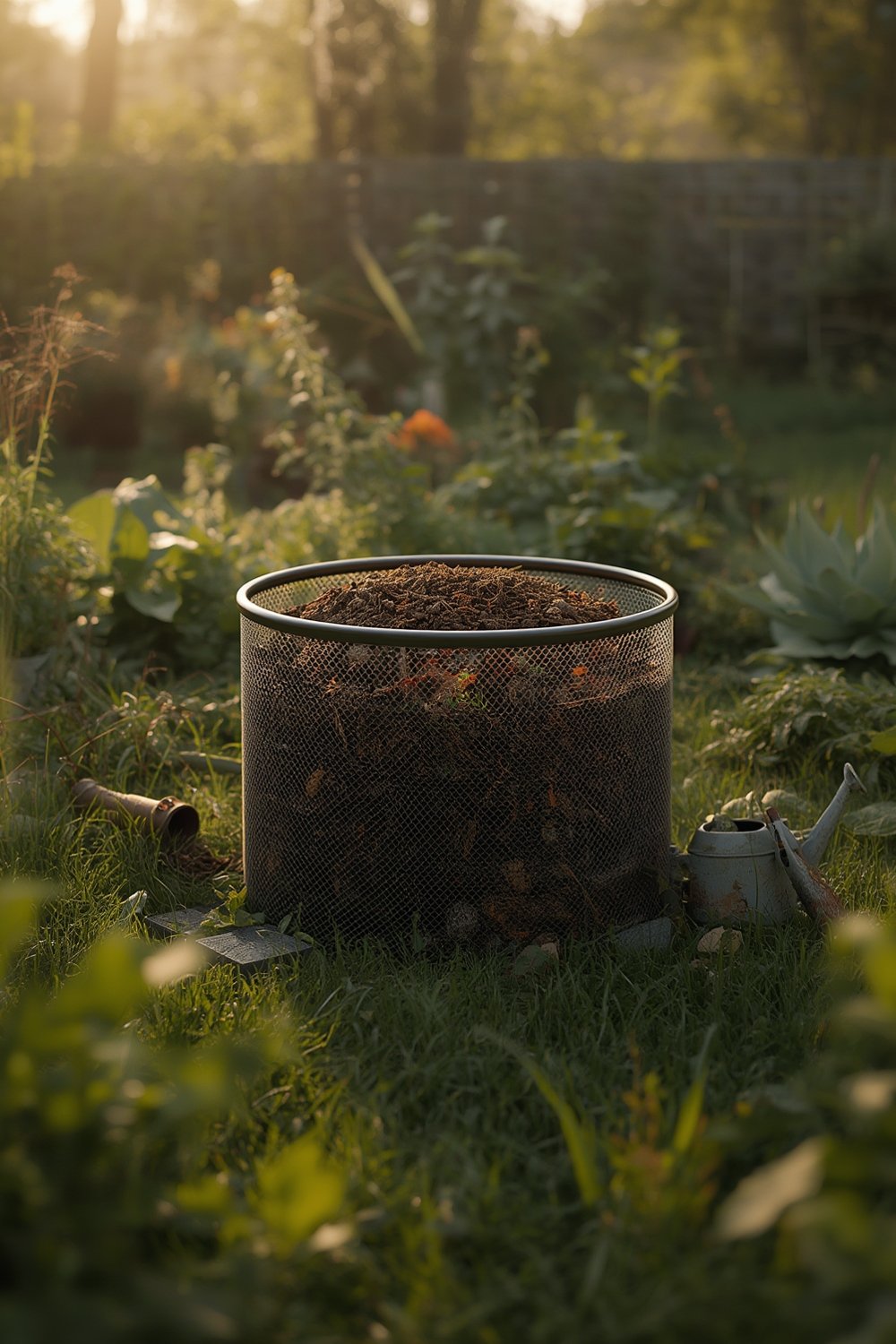
The GeoBin compost bin is a black, open-mesh cylinder made entirely from recycled plastic. This mesh strip expands out to form a ring that quickly snaps or bolts into place, letting you decide the diameter and thereby overall capacity (anywhere from about 2 to 4 feet wide, and holding up to roughly 246 gallons). You can set the ring at the smallest or biggest setting to match your pile’s needs. The mesh lets in plenty of air (great for decomposition, a bit tough for moisture retention), and the recycled plastic body won’t rust or rot like wire or wood bins.
Installation takes only one person and about 7 minutes—no tools required. If your yard produces even more waste, users report simply adding a second unit or bolting two together to expand. This open design is best suited for large, single-season loads—think fall leaf cleanup or a lawn’s worth of grass clippings.
The combination of capacity, flexibility, and price explains why the GeoBin is considered among the best compost bin for home use by reviewers focused on bulk yard waste (reference).
Pros and cons — succinct strengths and weaknesses based on user reports
The GeoBin compost bin wins praise for its price, sheer volume, and unbeatable assembly speed—but it comes with clear, fixable trade-offs.
| Pros | Cons |
|---|---|
|
|
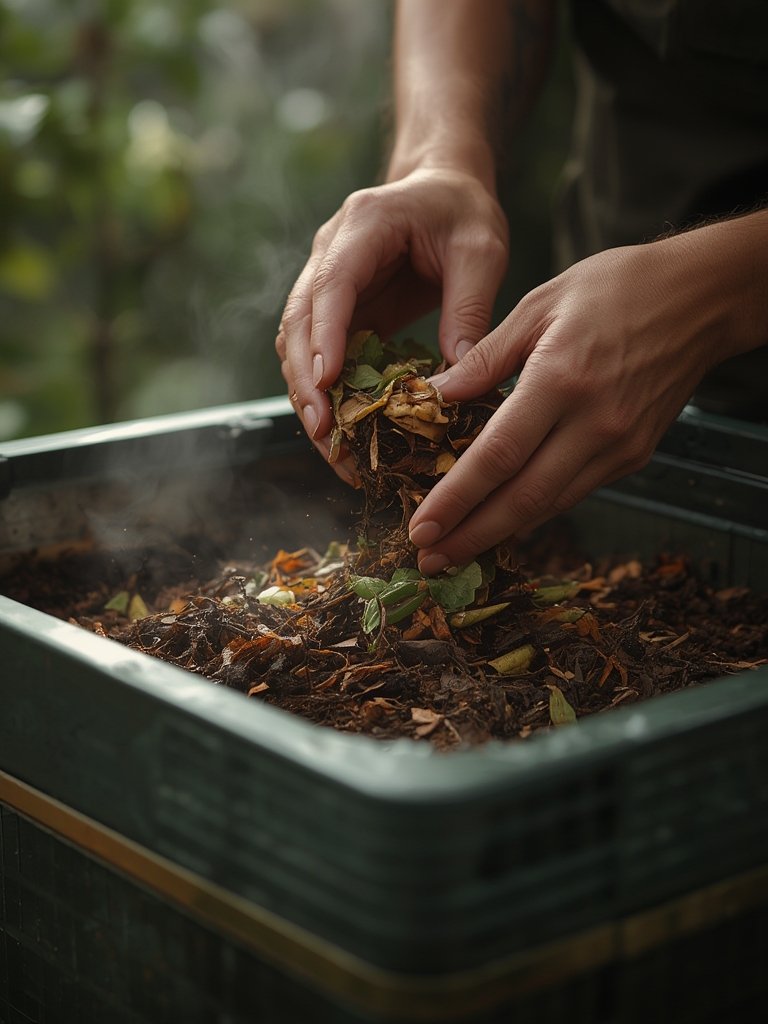
Most users resolve the initial springiness by waiting 20 minutes or staking. Making the pile moist enough and layering green and brown materials are the main requirements to keep decomposition on track. The lack of an access door means retrieving finished compost takes a garden fork, but the open mesh makes it easy to see the pile’s progress and adjust as needed.
Real-world performance — composting speed, waste reduction, and finished compost quality
Many real users report that with good moisture and occasional turning, bottom layers of a full GeoBin compost bin break down in about 6 months (sometimes as fast as 3 months for “hot” piles managed with lots of green material and weekly turning). However, it’s also easy to let the pile dry out, especially during summer, which slows things down. Most homeowners using the GeoBin for fall leaves or regular lawn clippings say it reduces a pile by about two-thirds in volume over the season—especially after a good rain or watering session.
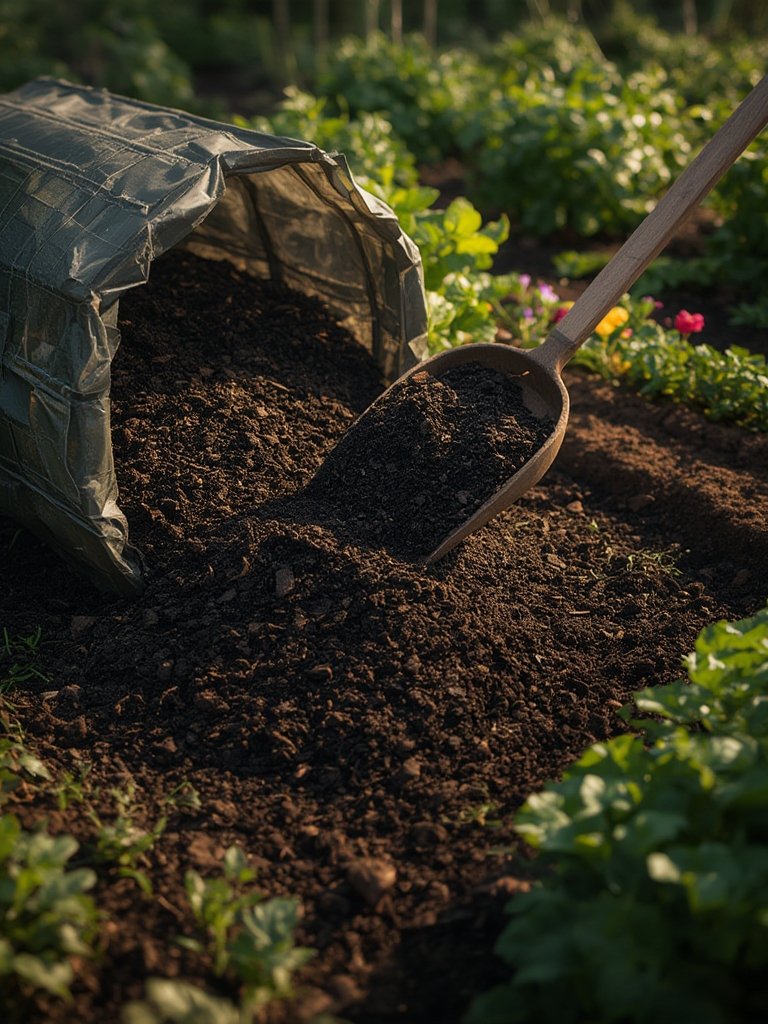
For compost quality, results vary by input and “pile management,” but when balanced with enough green nitrogen (e.g., fresh grass, weeds) and brown carbon (shredded leaves, sticks), the finished compost is dark, crumbly, and free of bad smells. This puts it well above unmanaged yard piles, and on par with more expensive bins—just with a longer seasonal timeline if not actively managed.
For a more in-depth real-world guide to home efficiency and comfort, check out practical comparisons in our heated blanket electric guide.
Materials supported, capacity and ideal load types (what to put in — and not)
The GeoBin works best for large batches of yard waste: loads of dry leaves, fresh grass clippings, sticks, old mulch, and even manure from horses or chickens. It’s built for volume—one bin maxed out holds around 1 to 1.5 cubic yards, which is ideal for a standard 1/3 to 1/2 acre yard’s fall cleanup or spring mowing. Users tackling bigger properties report doubling up with two GeoBins or emptying one into the other to create more air as decomposition starts.
While you can add kitchen scraps to a GeoBin, results vary: the open mesh struggles to hold heat in cold weather, and food leftovers may attract animals unless buried well and covered with yard waste. Avoid too much woody branch material (unless shredded first), as thick sticks break down more slowly.
- Best inputs: leaves, lawn clippings, shredded garden waste, manure, weeds, cardboard shreds
- Use caution with: kitchen scraps (can slow piles and attract pests if not buried)
- Avoid: overly woody debris (unless pre-shredded), meat/dairy, any commercial non-organics
For more kitchen-side sustainability tips, our reusable paper towels guide shows other practical ways to reduce home waste streams.
Limitations & seasonal performance — cold weather, pests, and moisture management
Like most open mesh bins, the GeoBin compost bin lacks any insulation. This means winter piles slow dramatically—bacteria need warmth to thrive, so you’ll see minimal breakdown in cold months outside the deep South. The open mesh is great for airflow, minimizing odors and soggy compost, but it also encourages rapid drying if you forget to water or your climate is dry/windy. Most odors can be avoided by balancing green and brown material, but in especially wet climates or seasons, runoff can leach nutrients from an uncovered pile.
Rodents and larger critters generally avoid piles that are mostly leaves and grass, but because there’s no base or top cover built-in, kitchen scraps can draw attention from raccoons, opossums, or neighborhood strays. Most users see little animal activity unless kitchen waste is frequent and obvious.
For more on managing household freshness and pest avoidance, our self cleaning litter box guide covers practical odor and hygiene approaches.
Assembly, setup hacks and common user troubleshooting
Step 1: Unroll the mesh strip and connect ends using the provided fasteners. This takes about 7 minutes.
Step 2: Place your GeoBin compost bin directly on soil (not pavement) in a sunny or partly-shaded spot. This is important for drainage and ground contact—worms and microbes will migrate upward as the pile decomposes.
Step 3: If the bin feels springy or tries to return to a smaller coil, simply weight down the bottom edge with a few bricks, stakes, or large rocks. Most springiness works out in 15–20 minutes or after a first wet load of waste settles the mesh.
Step 4: Begin with a 4–6″ layer of sticks, followed by layers of leaves and grass or manure. Moisten each layer if dry. Avoid letting the pile dry out entirely, particularly during a heatwave. Turn or fork the pile every 1–2 weeks for fastest breakdown; monthly is fine if time is tight.
Accessing finished compost: Since there’s no access door, push the mesh open partway or dig down through the pile’s top to reach the finished material at the bottom. Some users tip the bin over sideways, then reassemble after harvesting.
- If compost is too dry, soak the pile once a week or after hot spells.
- If slow in cold weather, add more greens for heat or insulate with a tarp.
- If animals show up, avoid kitchen scraps or use a covered inner pail for food waste.
For context on low-effort home organization, visit our under sink organizer guide.
How GeoBin stacks up vs. other top “best compost bin for home” options in 2024
GeoBin sets itself apart as the largest “semi-disposable” bin under $40 (most alternatives start at $60–$300). It’s the fastest to assemble (average 7 minutes), and the most flexible in size. Tumblers, such as the FCMP IM4000, offer easier mixing and rodent resistance but cost much more, have fixed capacities (often under 80 gallons), and take longer to set up. Insulated bins (e.g., Thermo King, Green Johanna) keep piles hotter in winter, process kitchen scraps better, resist pests—but are heavy, pricier, and require more space or ongoing attention.
| Feature | GeoBin Compost Bin | Tumblers (FCMP IM4000) | Insulated Bins |
|---|---|---|---|
| Price | $35–$38 | $70–$120 | $100–$250+ |
| Capacity | 1–1.5 cu yd (expandable) | ~0.5–0.7 cu yd | ~0.5–0.8 cu yd |
| Assembly | 7 min, no tools | 20–30 min, tools | 20–60 min, tools |
| Insulation | No | No | Yes |
| Best for | Bulk yard waste | Kitchen/yard mix | All-season, kitchen-heavy |
The GeoBin is the best compost bin for home use if you focus on big yard cleanups and want minimal cost or complexity. For year-round, fast kitchen waste composting (and maximum rodent resistance), step up to heavier, more expensive bins.
For another take on flexible, easy home improvement, check out our standing desk converter guide.
Durability, warranty and long-term concerns buyers should ask about
So far, user reports show strong reliability: the recycled plastic mesh survives several seasons outdoors with no visible wear. There are no documented warranty claims or product failures through typical 6- to 24-month use in reviews or forums. Some users report multi-year use (5–10+ years) with no issues (Compost Magazine). That said, because official long-term (12+ month) testing is limited, and warranty details aren’t always published by third-party sellers, it’s wise to:
- Ask sellers directly about warranty coverage, especially for sun damage, breaks, or hardware replacements.
- Inspect mesh and fasteners seasonally for brittleness, especially in high sun or cold climates.
If long-term resilience matters most, consider storing your GeoBin away from mowing/yard hazards during off-seasons, just to extend its usable life.
Top informational gaps readers need answered (what other articles miss)
Most blog reviews and buying guides skip three key concerns that matter in real-world use:
- Durability & warranty: It’s simply not clear from most sellers what the actual warranty covers, or if the plastic mesh will last 5, 7, or 10+ years in full sun or deep freeze. Users so far see no trouble, but ask before you buy.
- Quantitative composting metrics: No third-party tests publish exact “decomposition per week,” weight reduction rates, nutrient content, or climate comparisons—results are mostly anecdotes. If you want to know “how fast will leaves turn black in Michigan vs. Florida,” expect to experiment and document your own outcomes.
- Pest & odor data: While most yard-only piles don’t attract animals, there are almost no tracked incidents (or clear best practices, like mesh covers, for rodent prevention) in current guides. Try kitchen-only composting elsewhere if this is a deal-breaker, or bury food waste deeply in the pile to minimize issues.
For other products where design gaps matter, our water filter pitcher guide calls out similar hidden decision points.
Buying checklist & quick FAQ — final decision tools
Before you click “buy,” run through this short list:
- Budget-conscious? Single GeoBin handles almost all 1/3–1/2 acre yards for under $40; consider two if your batch is 2+ cubic yards or you want alternate batches (one full/one emptying).
- Mostly yard waste? You’re the ideal candidate. Heavily kitchen-based composters may want more rodent protection or insulation.
- Can you water/turn it occasionally? Plan to moisten in dry spells and turn every few weeks for best speed.
- Winter composting or heavy animal activity? Consider extra protection—or look at insulated or sealed bins if those are priorities.
- Will you want a neat appearance or concealment? The open mesh is basic—so if “looks” matter for HOAs, consider screening plants or alternative models.
FAQ
How long does the GeoBin take to assemble?
For most users, setup takes about 7 minutes, and no tools are required. You’ll need a flat spot and, optionally, simple weights or stakes for added stability when empty.
What’s the best material to put in the GeoBin?
It’s built for bulk yard waste—leaves, grass clippings, sticks, wood chips, or manure. Some kitchen scraps can be added, but must be well-covered to prevent pests and slowdowns.
How well does the GeoBin compost bin perform in winter?
Without insulation, piles slow considerably in cold climates. Composting will pause or nearly stop below ~40°F. For year-round composting, consider an insulated alternative.
Are pests (rats, raccoons, etc.) a problem with the GeoBin?
Yard-only piles rarely attract animals, but kitchen scraps may. To avoid issues, bury food waste deeply or use a separate, enclosed bin for those materials.
Can you combine two or more GeoBins for larger yards?
Absolutely—the expandable open ring design lets you attach two bins for extra capacity or alternate batches. This is popular for yards generating lots of waste in spring and fall.