


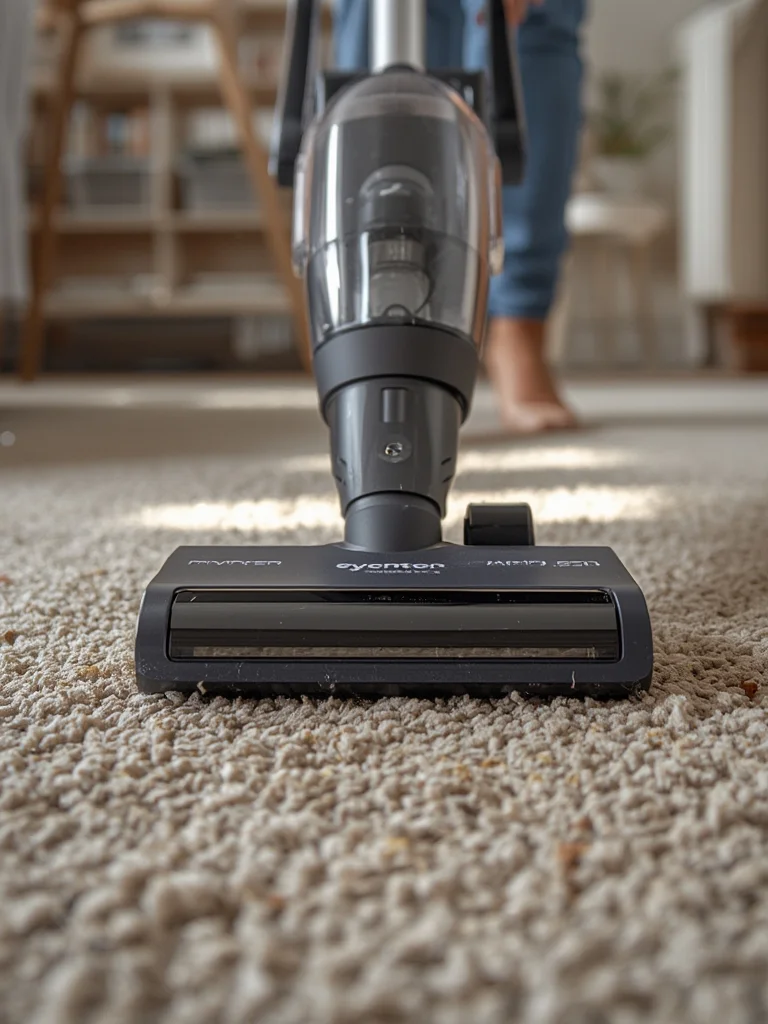
Cordless Vacuum Cleaner technology is changing how homes and businesses deep clean. If you want hassle-free vacuuming, the latest models promise powerful suction, quiet operation, and smart features—but making sense of the market can be overwhelming. Here’s what you must know to pick and use a cordless vacuum cleaner that actually delivers on its claims.
Key Takeaways
- Top cordless vacuum cleaner models offer up to 120 minutes runtime, advanced lithium-ion batteries, and brushless motors.
- Innovative features like AI navigation, dirt mapping, and USB-C fast charging are transforming how these devices work in real homes.
- While cordless vacuums dominate household sales, real user challenges include battery runtime, suction on thick carpets, and storage solutions.
- What Is a Cordless Vacuum Cleaner and Why Choose One?
- How to Choose and Use a Cordless Vacuum Cleaner: Step-by-Step
- Advanced Analysis and Common Pitfalls
- Conclusion
- Frequently Asked Questions
What Is a Cordless Vacuum Cleaner and Why Choose One?
A cordless vacuum cleaner is a portable vacuum that runs on rechargeable batteries, freeing you from the hassle of power cords. These vacuums gained popularity because modern homes need flexible cleaning tools—especially in apartments, cars, or quick spot jobs. In 2024, the household segment accounts for over 88% of all global cordless vacuum sales, and stick vacuums alone made up 26 million units sold last year[source]. The biggest selling points are easy maneuverability, quick charging, and light weight.
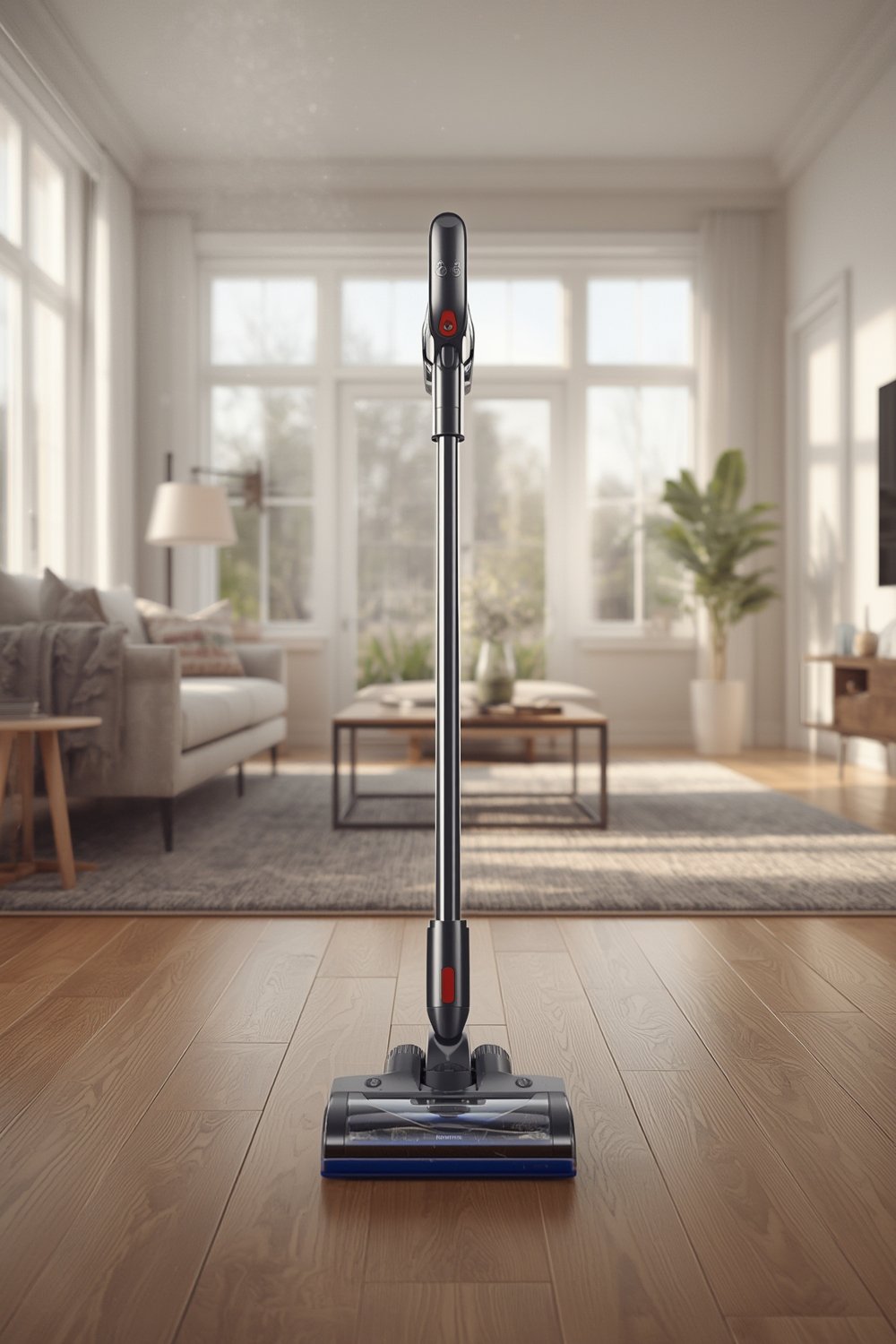
Cordless vacuum cleaners dominate in developed economies, making up 59% of new vacuum sales, with North America leading the numbers. Recent models include advanced features for pet owners and city dwellers. Brands like Dyson, SharkNinja, and Samsung now compete on suction strength, battery life and innovative extras. To see how cordless vacuums fit into the wider small appliance landscape, check out our Ultimate Stick Vacuum Guide and the Pet Hair Removal Tools Review.
How to Choose and Use a Cordless Vacuum Cleaner: Step-by-Step
- Assess Your Cleaning Needs:
- Do you have mostly hard floors, thick carpets, or pet-friendly spaces?
- Is noise a factor (e.g., quiet operation under 70 dB for late-night use or offices)?
- Do you require portability for vehicle or small-space cleaning?
- Compare Battery Life and Power:
- Look for models with 90–120 minutes runtime and detachable lithium-ion batteries.
- Suction of 14 kPa or higher is now standard in high-end handhelds.
- Check Weight and Ergonomics:
- Aim for models under 1.3 kg for the easiest handling, especially if you have stairs or frequent car cleaning needs.
- Evaluate Innovative Features:
- Consider smart navigation, dirt detection, auto-docking, and pet-specific brush heads.
- USB-C fast charging reduces downtime between cleans.
- Understand Maintenance:
- Easy-to-empty dustbins and washable filters matter for everyday convenience.
- List Possible Drawbacks:
- Batteries may degrade, so check warranty and replacement policies.
- Performance on deep carpets can still lag behind powerful corded models.
To get specific with features that match your lifestyle, explore our Kitchen Gadgets for Small Apartments Guide as cordless vacuums often make the top of that list.
Advanced Analysis and Common Pitfalls
The Power vs Battery Life Tradeoff
Cordless vacuum cleaner users often expect “plugged-in” performance with battery-powered convenience. In reality, the more power you use—especially on thick carpets or with motorized brush heads—the quicker the battery drains. Advanced models with 120 minutes runtime (in eco mode) may deliver only 10–15 minutes on max power.
Common Issues and Real-World Headaches
- Batteries degrade over time. Expect a gradual decrease in runtime after 1–2 years, especially with frequent fast charging.
- Dustbin capacity is usually smaller; frequent emptying is required, especially in pet-owning households.
- On thick rugs or plush carpet, many cordless models struggle compared to premium corded vacuums.
- No universal charger—brands use proprietary plugs or USB-C, so double check before purchase.
Comparison Table: Cordless vs Corded Vacuums (2024)
| Feature | Cordless Vacuum Cleaner | Corded Vacuum Cleaner |
|---|---|---|
| Power Source | Lithium-ion battery (removable in top models) | Mains power (unlimited runtime) |
| Runtime | 90–120 min (eco), 15–20 min (max) | Unlimited |
| Suction Power | 14–20 kPa (top line); variable when battery low | 20+ kPa consistently |
| Weight | As low as 1.3 kg (handheld) | 5–8 kg standard |
| Maintenance | Replace battery & clean small dustbin | Replace bag/filter & dustbin |
Innovative Features in 2024
– Foldable and compact upright designs are ideal for urban homes lacking closet space.
– Robotic cordless vacuums now include AI navigation and dirt mapping—14.6 million robotic units sold last year[source].
– USB-C fast charging and detachable batteries have almost become standard. This means you can charge more efficiently and even share chargers with other devices, but always confirm compatibility.
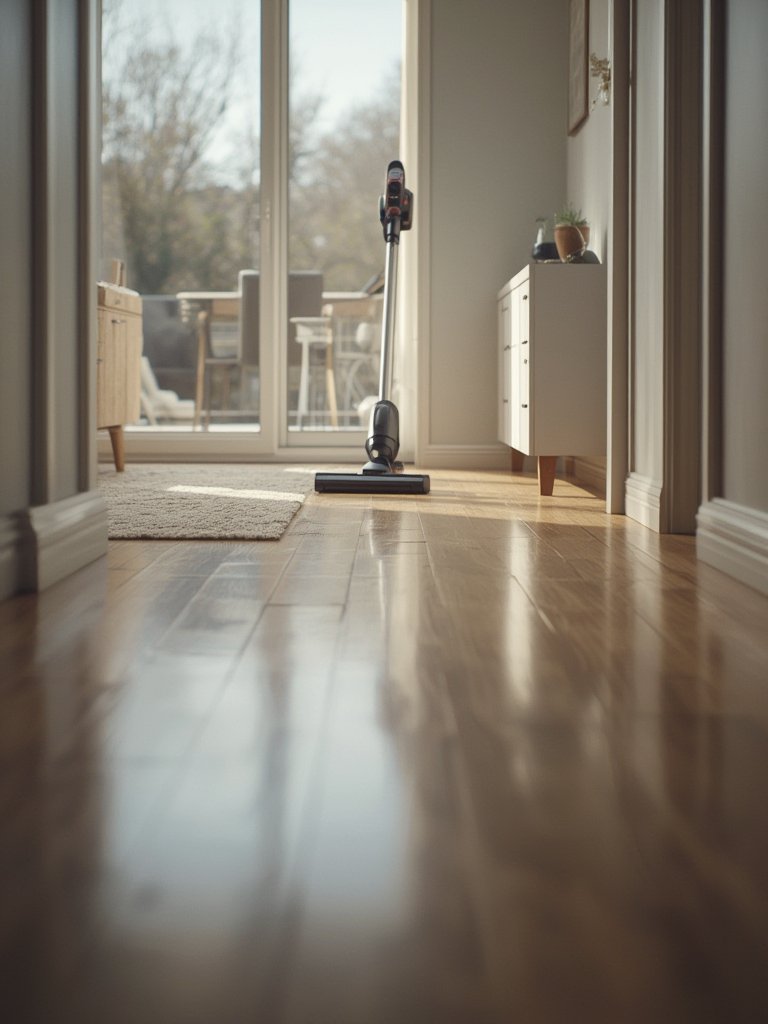
For more analysis on smart home cleaning, our Robotic Mop Buying Guide and Essential Deep Cleaning Checklist provide actionable advice.
If you want to dive into full global statistics and trends, see this in-depth Cordless Vacuum Cleaner market report.
Conclusion
Cordless vacuum cleaner options are more powerful, lighter, and smarter than ever in 2024. The right choice depends on your cleaning patterns—battery life, suction, dustbin size, and special features all matter. Be real about your expectations: a cordless vacuum cleaner gives you unmatched convenience, but you still need to empty the bin often and may need a spare battery for full-house cleans. Ready to cut the cord? Explore the newest models or check our Kitchen Appliance Reviews for hands-on test results and recommendations.
Frequently Asked Questions
How long do cordless vacuum cleaner batteries usually last?
Most lithium-ion batteries offer 2–4 years of reliable performance. However, runtime gradually decreases after hundreds of recharge cycles, especially with frequent use at maximum power or fast charging.
Do cordless vacuums work on thick carpets?
High-end models with strong suction (over 14 kPa) perform well on low to medium carpets. Deep or plush carpets may still require a corded or upright vacuum for best results.
What maintenance does a cordless vacuum cleaner require?
Regularly empty the dustbin, wash or replace filters, and check for clogs in brush heads. Some models alert you when maintenance is due, which helps extend performance and battery life.
Are robotic cordless vacuum cleaners worth it for apartments?
Robotic cordless models are ideal for apartments with mostly hard flooring and open layouts. They save daily cleaning time, but may miss corners or require manual emptying and occasional attention.
How do I choose between stick, handheld, or robotic models?
Stick vacuums suit all-around cleaning, handhelds target cars or upholstery, and robotics are best for maintaining floors with minimal effort. Consider your primary cleaning challenges and home size before choosing.