


Wood cutting boards are more than a pretty centerpiece in your kitchen—they’re the foundation of safe, enjoyable cooking and an investment in long-term kitchen value. Whether you care about knife performance, sustainability, or just want something that lasts more than a year, choosing the right board (and maintaining it) is what separates kitchen frustration from joy. If you’re tired of boards that warp, crack, or dull your favorite knives, this guide gives you the real-world knowledge to buy better—without the hype.
Key Takeaways
- End-grain hardwood boards (like maple or walnut) offer the best combination of durability, knife-friendliness, and lasting value—but require regular oiling and care.
- Board material and construction impact not just cost and appearance, but also how your knives perform and how much maintenance you’ll do over time.
- Price isn’t the whole story: a $150 board that lasts a decade with proper care costs less per year than replacing $30 bamboo boards every other year.
- Why choose a wooden cutting board (and who shouldn’t)
- The three big construction types explained: end‑grain, edge‑grain, and laminated/bamboo
- Wood species compared — hardness, longevity, sustainability, and best uses
- Cost of ownership — upfront price vs. lifespan (the oft‑ignored ROI calculation)
- Common real‑user problems and exactly how to avoid them
- Maintenance that actually preserves value
- Knife compatibility — match your knives to the right board
- Food‑safety reality check: wood vs plastic — what evidence and codes actually say
- Certifications, premium features, and what justifies greater cost
- What professionals actually recommend (chefs, butchers, food‑safety experts)
- Buying checklist and recommended spec sheet (how to choose one in 5 minutes)
- Final verdict — the best wooden cutting board for common buyer profiles
- FAQ
Why choose a wooden cutting board (and who shouldn’t)
Wood cutting boards get so much love from home cooks and pros because they balance beauty, knife care, and practicality. A well-made wood board looks stunning for serving, feels great under your knife, and—contrary to old myths—can be safer for daily prep when used properly. There’s real data behind this: the global cutting board market is valued at around $3.14 billion in 2024, with North America accounting for over $1.25 billion. That demand comes from households that want quality tools, not just commercial kitchens.
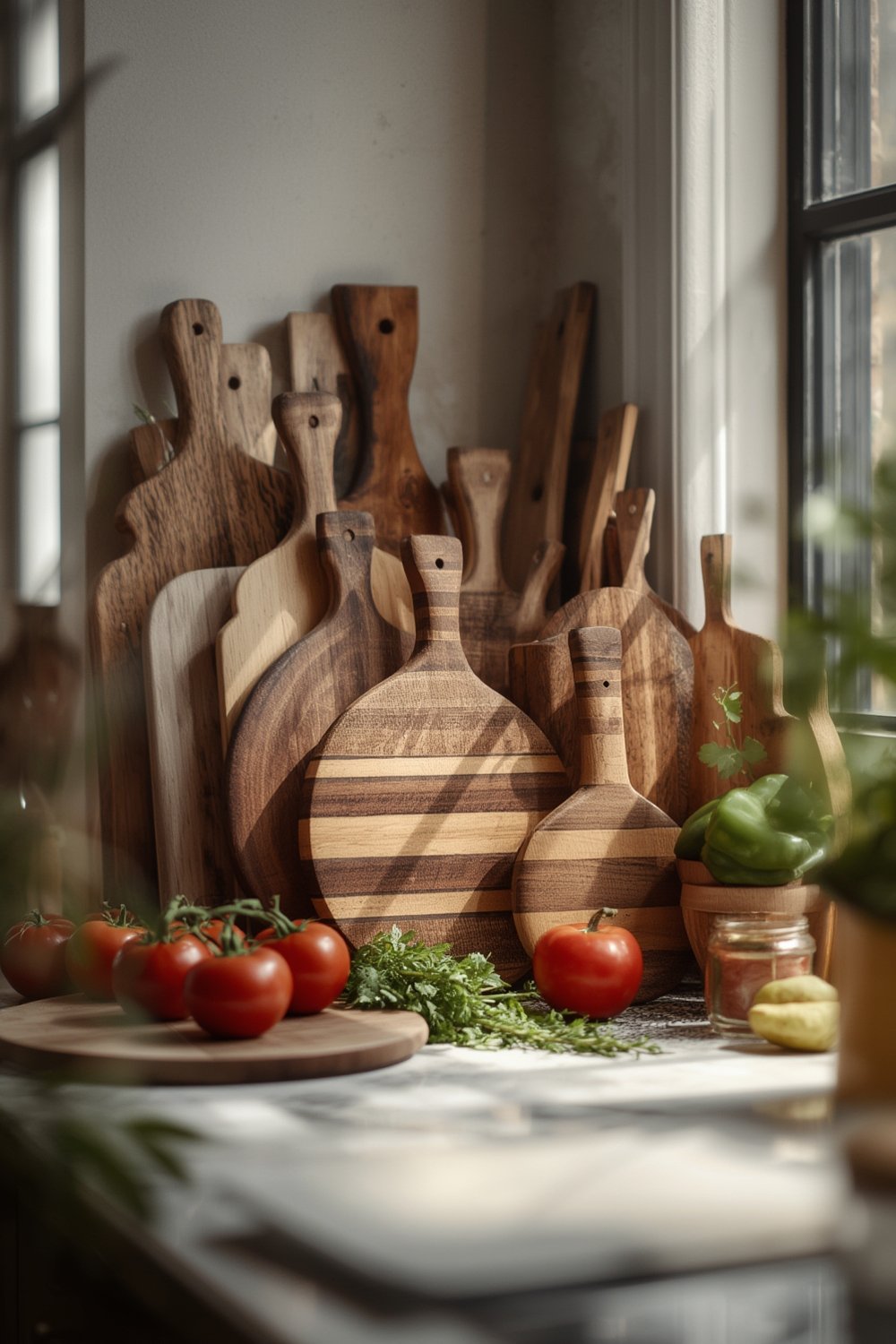
Pros: Wood boards are gentle on knives, often outlasting plastic alternatives if cared for, and are favored for their “self-healing” surface—knife marks tend to close up rather than gouge deep grooves. Some studies suggest that dry wood can even suppress bacterial survival, but this only really matters with consistent cleaning and drying habits.
Cons: Wood boards require monthly oiling, must be hand-washed (never dishwasher), and are sensitive to soaking or harsh changes in temperature/humidity. For commercial settings—or if you want boards you can sanitize by dishwasher—plastic (especially NSF-certified, color-coded boards) remains the standard. Plastic is also better when regulations demand strict color-coding for different food types.
So if you want a beautiful, long-lasting surface that’s kind to your knives and don’t mind minimal but regular care, wood boards excel. If you’d rather toss your board in the dishwasher after cutting raw chicken, stick with plastic.
The three big construction types explained: end‑grain, edge‑grain, and laminated/bamboo
Understanding how your cutting board is put together matters as much as the wood itself—it affects price, durability, weight, and how your knives hold their edge. Here’s how the three main types compare:
- End-grain: Looks like a “checkerboard.” The wood fibers run vertically, so your knife slips between them—instead of cutting across—meaning less wear for both board and blade. These boards are thick (2–3″+), absorb blows, and “self-heal.” The best wooden cutting board is usually end-grain, but expect to pay $120–$300+.
- Edge-grain: Laminate strips of wood laid sideways. Less expensive, lighter, and still durable, but shows knife marks faster and is less forgiving to blade edges over time. Good value in the $40–$120 range for most home cooks.
- Laminated/bamboo: Bamboo isn’t a hardwood; it’s a grass—laminated into tough, hard boards. These are stable, resist water, and cost less (<$30), but they’re harder on knives due to high silica content, and glue quality makes a difference to longevity. Single-plank, thin boards have higher risk of warping or splitting.
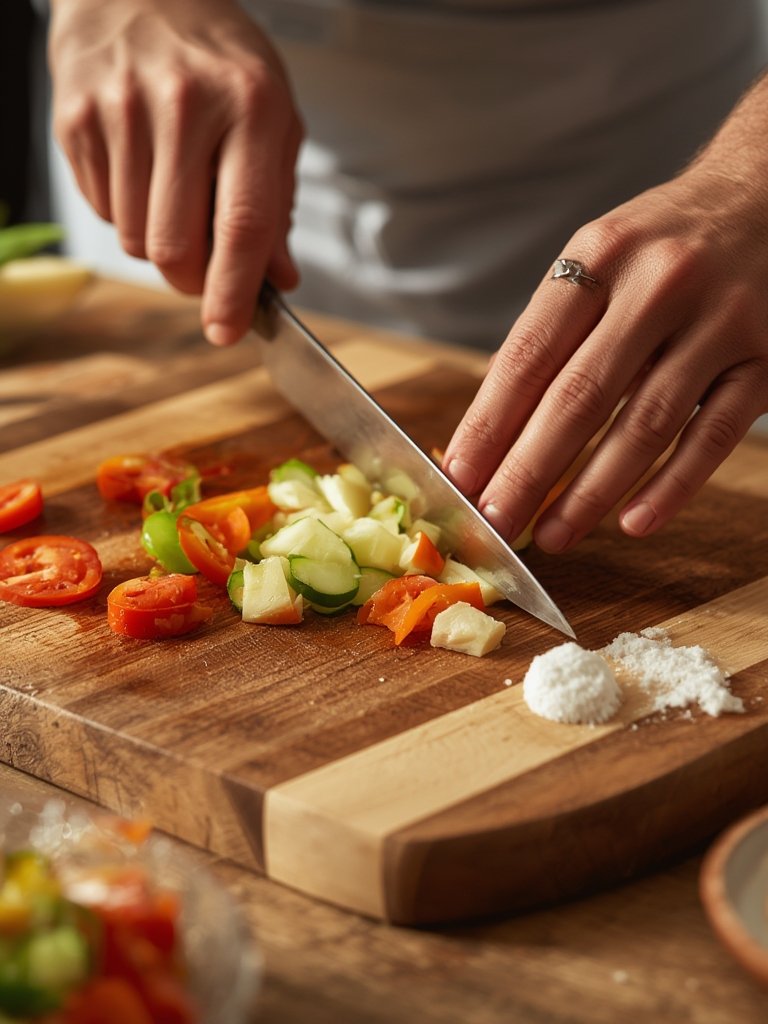
Bottom line: If you love your knives and want a decade of easy use, end-grain is ideal. For the best balance of value and simplicity, edge-grain hardwood is a strong bet. Bamboo and soft acacia are best for occasional use, serving, or as low-maintenance starter boards.
Wood species compared — hardness, longevity, sustainability, and best uses
Not all wood is created equal—each species changes how your board feels and lasts. Here’s what actually matters:
| Wood Species | Approx. Janka Hardness | Knife-Friendliness | Best Kitchen Tasks | Sustainability |
|---|---|---|---|---|
| Maple (hard/sugar) | ~1,450 | Best all-around: gentle yet durable | Everyday prep, butchery | Often FSC-certified, well-managed N. America forests |
| Walnut | ~1,010 | Very gentle (slightly softer) | General prep, charcuterie, serving | Premium, mostly from regulated U.S. forests |
| Cherry | ~950 | Soft, extremely knife-friendly, marks easily | Light prep, display, fruit/veg | Responsible sourcing available |
| Teak | ~1,000–1,150 + high silica | Moderate; silica can dull knives faster | Fish, wet foods, outdoor | Check for FSC or similar certification |
| Acacia | ~1,500–2,300 (varies) | Harder—can dull fine knives | Decorative, occasional heavy cutting | Highly variable; some are very sustainable |
| Bamboo | ~1,380–1,600 (process-dependent) | Hard and abrasive; wears knives quickly | Budget boards, light prep, serving | Fast growth, often sustainable; check glue/finish |
Personalization tip: If you love Japanese knives, avoid hard or silica-rich boards (teak, bamboo, dense acacia) to prevent microchipping. Maple and walnut, especially in end-grain form, truly are the best wooden cutting boards for daily home use.
For full sustainability transparency, look for FSC or equivalent certification—especially for tropical woods like teak and acacia.
Cost of ownership — upfront price vs. lifespan (the oft‑ignored ROI calculation)
It’s easy to look at a $30 board and think you’re saving money—but are you? The smart way to shop for the best wooden cutting board is to consider the “cost per year” (or even per use).
- Budget: $10–30 gets you a thin bamboo/acacia board. Typical lifespan? 6–18 months with routine use (more if pampered carefully).
- Mid‑range: $40–120 for sturdy edge-grain maple/walnut; expect 3–5+ years with regular oiling and no dishwasher use.
- Premium: $120–300+ for end-grain maple/walnut (2–3″+ thick) from brands like John Boos or Boardsmith. Properly cared for, can last 10–15+ years—some families pass these down.
- $200/10 years = $20/year
- $40/2 years = $20/year
- $30/1 year = $30/year (and more landfill waste)
Factor in a bottle of food-grade mineral oil ($10/year). The result? A premium board is almost always cheaper over a decade, plus you enjoy using it every day. If you want to maximize both ROI and kitchen joy, invest up front—and maintain it.
Need more kitchen gear ROI advice? Check out our portable blender guide or see how a water filter pitcher can save money and improve health over the long run.
Common real‑user problems and exactly how to avoid them (warping, cracking, odor, stains)
No one wants their board to warp, crack, or stink up the kitchen. Most complaints trace back to predictable habits—not bad boards. Here’s how to dodge all the classic headaches:
- Warping: Happens when boards are soaked, put in dishwashers, or left to dry flat (especially one side only). Always hand-wash quickly, dry both sides, and stand upright to air-dry evenly.
- Cracking/splitting: Caused by under-oiling, rapid moisture/temperature swings, or storing near heat. Keep up with mineral oil and avoid radiators, dishwashers, or windowsills.
- Odor and stains: Garlic or onion funk? Scrub with coarse salt and lemon. For deep stains, use a paste of baking soda and a few drops of water; sand and re-oil for serious cases.
- Mold or black spots: Don’t leave boards wet or store flat. Airflow is your friend—stand boards up!
- Knife grooves / rough texture: Light sanding (220-grit sandpaper) and re-oiling restores smoothness.
Most real-world failures boil down to skipping regular oiling or not letting the board dry properly. Glue failures along joints, especially in cheap or thin boards, are also common if boards are soaked or left dry for months.
For heavy use, favor boards at least 1.5″ thick, ideally end-grain construction, and always follow the care schedule the maker provides. You’ll save yourself frustration, money—and your board’s surface.
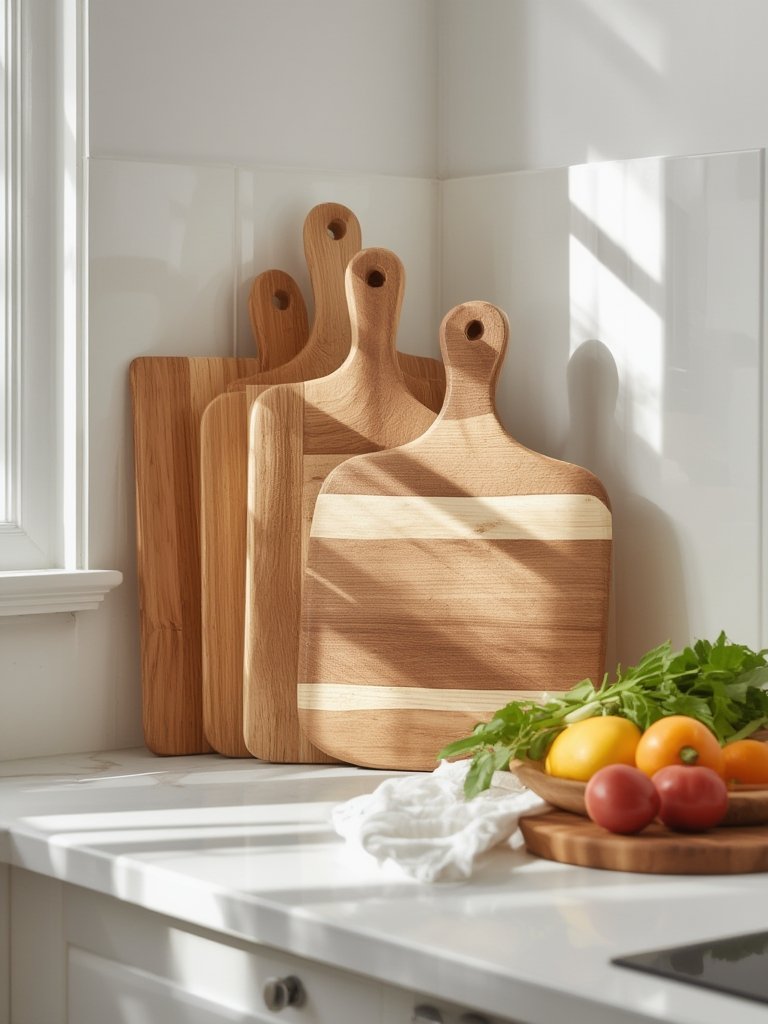
Maintenance that actually preserves value
You don’t need to baby your board, but small habits bring big rewards. Here’s what actually matters, step by step, for the best wooden cutting board lifespan:
- Break-in period: Oil once per week for the first month with food-grade mineral oil. When your board looks “thirsty” or uneven, add more.
- Monthly upkeep: After initial month, oil about every 4 weeks. In dry climates or high-use, increase as needed.
- Cleaning: Always hand-wash with warm soapy water, scrub with a soft brush if needed, and immediately towel-dry both sides. Never soak, never use the dishwasher.
- Storing: Stand the board on its side or edge for full airflow. Flat storage is fine for display or very dry climates but increases risk of hidden damp spots.
- Deep refresh: Once per season, lightly sand (if needed), wash, let fully dry, then oil and finish with beeswax-based board cream.
Safe products: Look for food-grade mineral oil, reputable beeswax/mineral oil creams (Boos Block, Howard, Walrus, etc). Coconut oil, olive oil, and similar cooking oils can go rancid—avoid them.
What to avoid: Dishwashers, soaking, and undiluted bleach (unless you thoroughly rinse and re-oil right after) will ruin wood. If you need a true sanitizing board for raw meat, keep an NSF plastic board handy.
For more kitchen gear care advice, see our simple ways to keep your smart air fryer working its best or tips to reduce waste with reusable paper towels.
Knife compatibility — match your knives to the right board
Not all wood cutting boards treat every knife equally. Pay special attention if you’ve invested in premium knives with hard steel or fine edges.
- Japanese knives/high-carbon steel/thin blades: Use end-grain maple or walnut—these are gentle enough to prevent microchipping of delicate edges.
- Standard European-style stainless (Wüsthof, Victorinox, etc): These can handle edge-grain boards, maple, walnut, or cherry. Teak is okay, but bamboo/acacia may dull knives faster with daily use.
- Bamboo, dense acacia, and teak (high silica): Surface hardness and mineral content are abrasive—avoid daily prep with high-end knives.
Research confirms: bamboo, silica-rich teak, and very dense acacia can dull or microchip knife edges, especially Japanese blades (HRC 60+). Maple and walnut edge- or end-grain are the gold standard for “knife kindness.”
For a deep-dive into optimizing your kitchen upgrades, see tips on choosing the ideal kitchen drawer organizer.
Food‑safety reality check: wood vs plastic — what evidence and codes actually say
Is a wood cutting board safe for your family? For home cooks, yes—if you clean and dry it properly. Here’s what the science and regulations say:
- Commercial kitchens: Stick to color-coded NSF plastic. It withstands the hot, harsh cycles of commercial dishwashers and is government-standard for food safety (critical for institutions, restaurants, and processors).
- Home use: Scientific research shows wood boards, when cleaned and dried, do not promote more bacteria than plastic—some studies even found that bacteria survive less well in dry hardwood due to its porous structure drawing contaminants away from the surface.
- Cross-contamination: For raw meat or poultry, use either a dedicated board or clean thoroughly between uses. Both wood and plastic can harbor bacteria in deep knife scars, so regular resurfacing or replacement is key (another vote for end-grain hardwood, which “self-heals”).
- Finishes and glues: Buy boards from reputable brands that comply with food-safe adhesives and finishes (NSF, FDA, or EU regulations). Avoid boards with unknown treatments or chemical odors.
For more, the USDA offers clear guidelines on cutting board safety and the National Institutes of Health hosts specific wood vs. plastic microbiology research.
Certifications, premium features, and what justifies greater cost
Why do some boards cost five times as much as others? Beyond the aesthetic, you’re paying for:
- End-grain construction: More labor, more wood, better longevity, easier on knives.
- Thickness: Boards 2–3″ thick resist warping and last longer, even with heavy use.
- Certifications: FSC sourcing for environmental assurance; NSF for food safety (mainly commercial).
- Warranty/care kit: Top brands (John Boos, Boardsmith, Teakhaus) provide warranties and include oil/cream for regular maintenance—small extras that add up over the years.
- Origin: U.S. or EU manufacturing means more oversight on finish and glue safety (vs. unregulated imports).
Premium boards ($120–$300+) aren’t just for show—they’re engineered for a decade or more of daily use, assuming regular maintenance. Look for included instructions, oil/cream starter kits, and detailed brand guidance on care.
If you’re passionate about investing in premium kitchen tools, our Le Creuset guide lays out similar considerations for cookware longevity and warranty coverage.
What professionals actually recommend (chefs, butchers, food‑safety experts)
The consensus among chefs and butchers is refreshingly clear:
- Chefs: End-grain maple or thick edge-grain maple/walnut for general prep. Walnut for premium knife care and rich color. Avoid bamboo for everyday knife work—okay for serving or occasional use.
- Butchers: 2–3″ thick end-grain maple or beech. Massive blocks in commercial settings are resurfaced and last decades.
- Food-safety experts: Plastic in environments requiring machine sanitization and color-coding (commercial, institutional). For home use, wooden boards are fully acceptable when cleaned/dried and replaced or refinished as needed.
Brand favorites include John Boos, Boardsmith, Teakhaus, and Proteak for wood; OXO and San Jamar for NSF plastic. As always, prioritize finish and food safety if you want peace of mind.
Buying checklist and recommended spec sheet (how to choose one in 5 minutes)
Get your board selection down to a science. Before you click “buy,” use this checklist:
- Intended use: All-purpose vs. butchery vs. charcuterie/serving
- Knife types: Fine Japanese/carbon steel? Go with maple/walnut end-grain. All-purpose? Edge-grain works.
- Preferred wood species: Maple or walnut are safest bets.
- Construction: End-grain for max longevity and knife care; edge-grain for lighter weight and value.
- Thickness: Aim for 1.5″+ (2″+ for heavy use).
- Maintenance willingness: Not up for oiling? Consider plastic or bamboo—just know you’ll be replacing sooner.
- Certifications: FSC/NSF for sustainability and safety, if you want extra assurance.
- Budget:
- Budget ($10–30): Laminated bamboo/acacia—starter or backup board
- Mid ($40–120): Thick edge-grain maple, walnut, or cherry—excellent for most home cooks
- Premium ($120–300+): 2–3″+ end-grain, handcrafted, certified sustainable, and includes maintenance kit
Quick pick rules:
- If you want the most gentle, longest-lasting board and don’t mind monthly care, buy a 2″ end-grain maple or walnut board.
- If you want low price and eco-appeal with less knife use, pick a bamboo or acacia board—just expect to replace it.
- If you want a serving/charcuterie stunner, walnut or cherry edge-grain or single-plank is gorgeous.
- For heavy meat prep, look for thick end-grain maple or beech blocks (think butcher standards).
Final verdict — the best wooden cutting board for common buyer profiles
So, what’s the best wooden cutting board for you?
- Budget eco-buyer: Laminated bamboo board ($15–30). Easy on the wallet. Just use it for light prep or presentation, and expect to replace every couple of years.
- Home cook who loves sharp knives: 2″ end-grain maple or walnut board ($150–250). Gentle, beautiful, made for a decade of use with monthly oiling. Best protection for Japanese or high-carbon steel knives.
- Hosting/entertaining pro: Walnut or cherry edge-grain or single-plank, 1–1.5″ thick. Looks stunning for charcuterie or brunch displays; just oil regularly and hand-wash.
- Busy family, wants durability with less maintenance: Thick edge-grain maple or teak ($80–150). It’ll handle lots of prep, survive the chaos, and asks little of you beyond a monthly rubdown with oil.
Whatever you pick, remember: regular cleaning, standing storage, and monthly oiling protect your investment and deliver the best value from your board.
For other kitchen tools that make life easier, see our guides on portable blenders, ice bath tubs for recovery, and standing desk converters for your home workspace. Ready to upgrade your kitchen? Start with your cutting board—the tool you’ll use every day!
FAQ
How often should I oil my wood cutting board?
For the first month, oil weekly. After that, monthly oiling is usually enough for typical home use. If your board looks dry or uneven, oil sooner.
Can I put my wooden cutting board in the dishwasher?
No—dishwashers ruin wooden boards through heat, water, and detergent. Always hand-wash and dry quickly to prevent warping or cracking.
Is wood or plastic safer for cutting raw meat?
Both can be safe if cleaned properly, but plastic is preferred for raw meat in commercial settings because it can be sanitized in a dishwasher. At home, use a dedicated board for meat and clean thoroughly after each use.
Which wood is best for Japanese knives?
End-grain maple or walnut is ideal—they’re soft enough to prevent edge chipping but durable for years of daily use.
How do I remove garlic or onion smell from a wood cutting board?
Scrub the board with coarse salt and half a lemon. Rinse, dry, then re-oil if needed for a fresh start.