


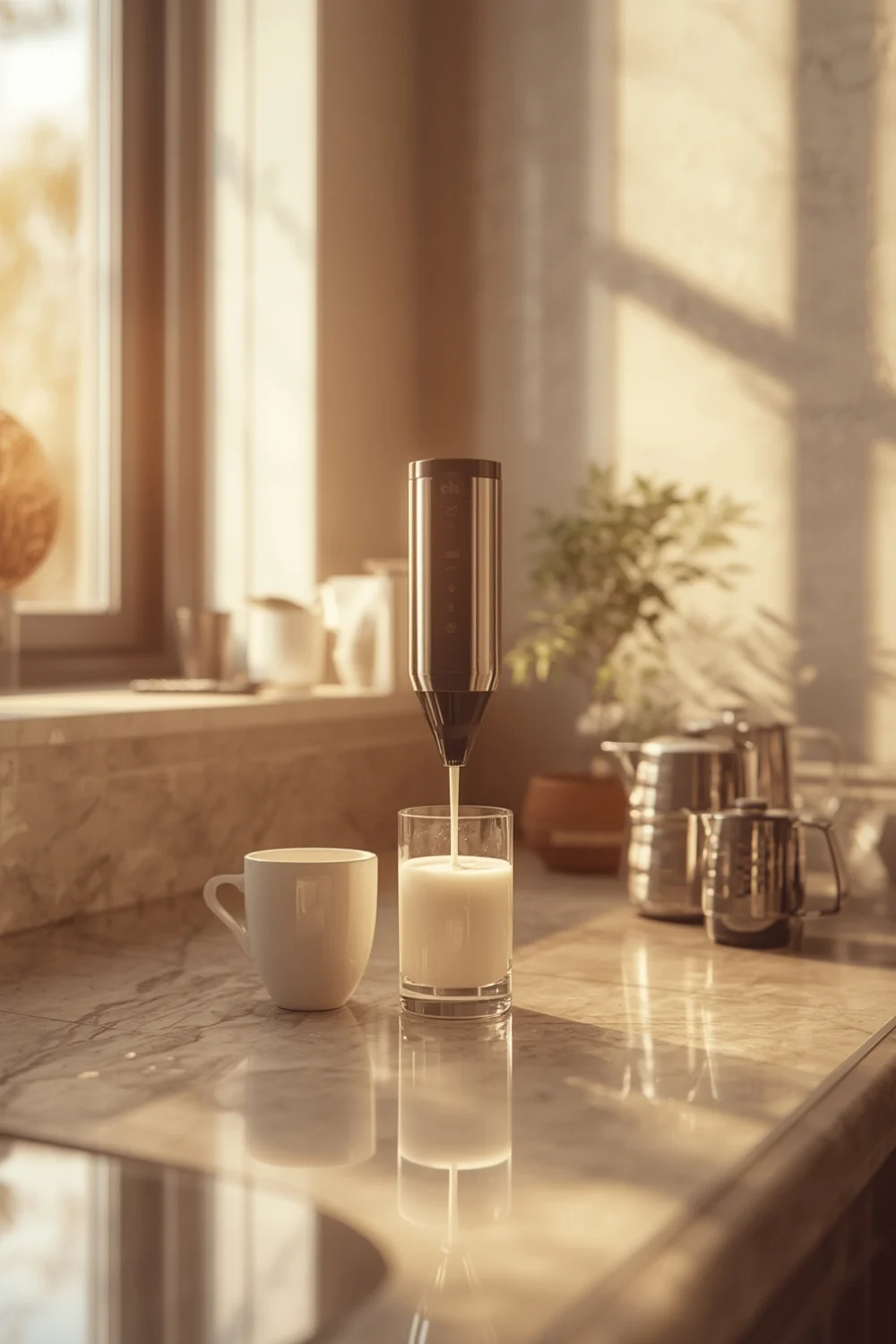
Milk Frother Handheld devices make it possible to create creamy, café-style foam at home without bulky, expensive machines. If you want to upgrade your morning coffee or whip up perfect lattes fast, you’ll find this guide demystifies both the process and the pitfalls of modern handheld frothers.
Key Takeaways
- Handheld milk frothers are booming with home coffee enthusiasts thanks to affordability, portability, and easy cleaning.
- Battery-powered handheld frothers are best for quick foam—just don’t expect true “microfoam” like you get from a steam wand.
- Most issues users face are about battery changes, splash risk, and inconsistent texture—these can be minimized with proper technique.
- What Is a Milk Frother Handheld—and Why Use One?
- How to Use a Handheld Milk Frother: Step-By-Step Guide
- Advanced Analysis & Common Pitfalls
- Conclusion
- FAQ
What Is a Milk Frother Handheld—and Why Use One?
A milk frother handheld is a portable, battery-operated device designed to whip milk into a foamy texture for coffee drinks, hot cocoa, or even matcha. These wands use a spinning whisk to incorporate air, resulting in quick, dense foam without requiring specialized machines or electricity.
Handheld frothers have exploded in popularity in North America since 2021, fueled by the rise in at-home coffee culture and a post-COVID shift to DIY café drinks. The market for handheld models alone reached around USD 125 million in 2023, with projections showing fast growth—an annual rate of 6.3% through 2032 [source]. Their appeal is all about flexibility: you can froth anywhere without wires or outlets, and they are simple to clean thanks to minimal parts.
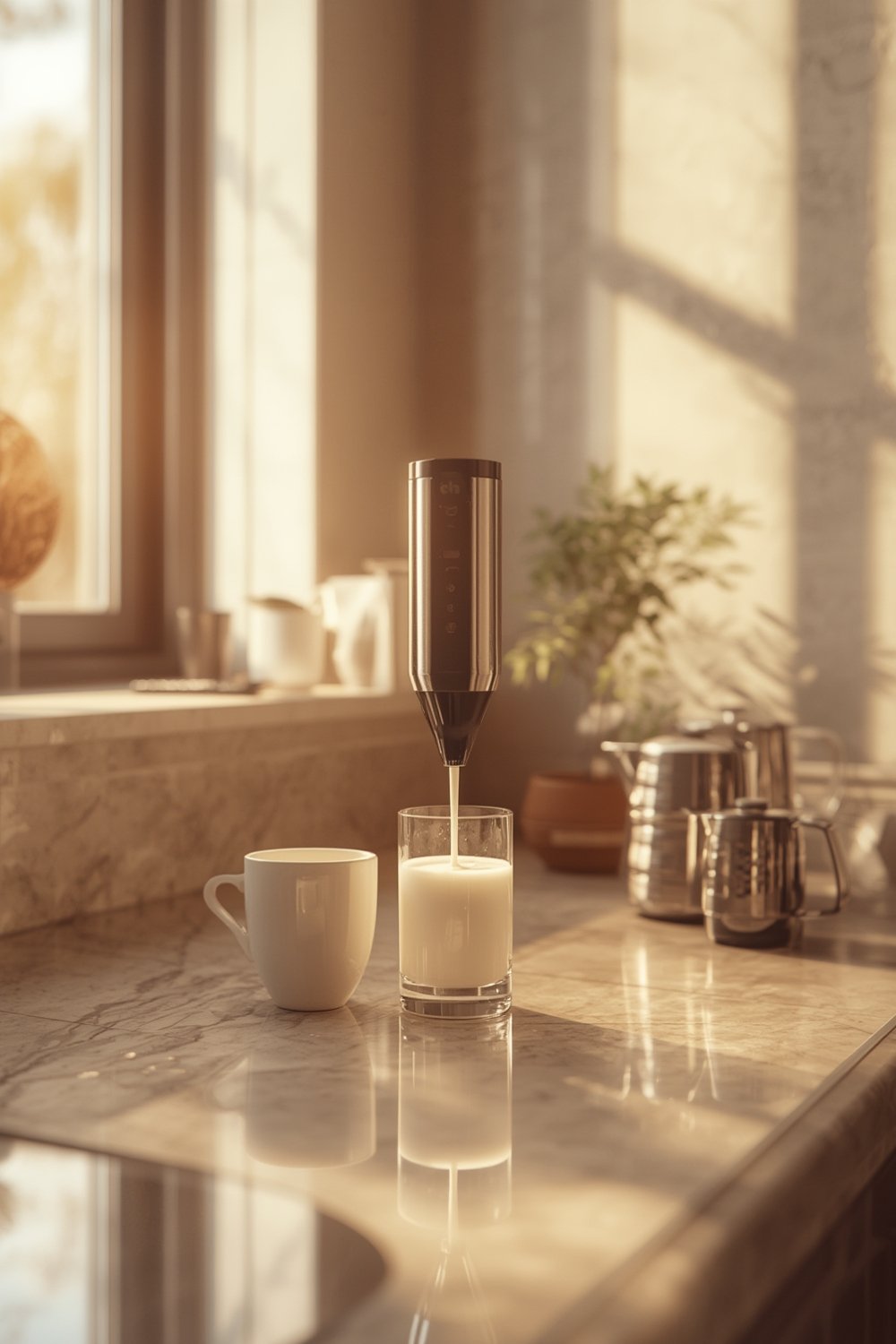
Batteries power most handheld frothers, making them ideal for kitchen use, offices, or even travel. They work well with both dairy and plant-based milks. Paired with quality espresso beans and a consistent technique, a frother wand can deliver surprisingly creamy results for cappuccinos and lattes.
This surge in home usage is backed by data from industry reporting, which underscores that households now dominate as the largest end-user segment for milk frothers overall.
Choosing a handheld frother means prioritizing portability and budget without sacrificing daily convenience. Manual and handheld models consistently rank among the most affordable ways to foam milk [source].
How to Use a Handheld Milk Frother: Step-By-Step Guide
Here’s a no-nonsense approach to frothing milk with a handheld device for home lattes, cappuccinos, or iced drinks:
- Insert fresh batteries. If your model is battery powered, always start with charged batteries to maximize frothing power. Rechargeables help minimize ongoing costs.
- Choose your milk. Use whole milk, 2%, or a plant-based alternative like oat or soy. Colder milk gives denser foam, but room-temperature works for most drinks.
- Pour milk into a tall cup or jug. Fill no more than halfway—this prevents overflow when the foam expands.
- Submerge the whisk head. Position it just below the milk surface for best results.
- Activate and move gently. Turn on the frother and move the whisk in slow, up and down motions for 15-30 seconds.
- Monitor foam texture. Stop when you see thick, pillowy bubbles. For lattes, smaller/finer bubbles are best. For cappuccinos, aim for stiff, voluminous foam.
- Enjoy and clean. Pour your foam over espresso or coffee, then rinse the whisk immediately to keep cleaning simple.
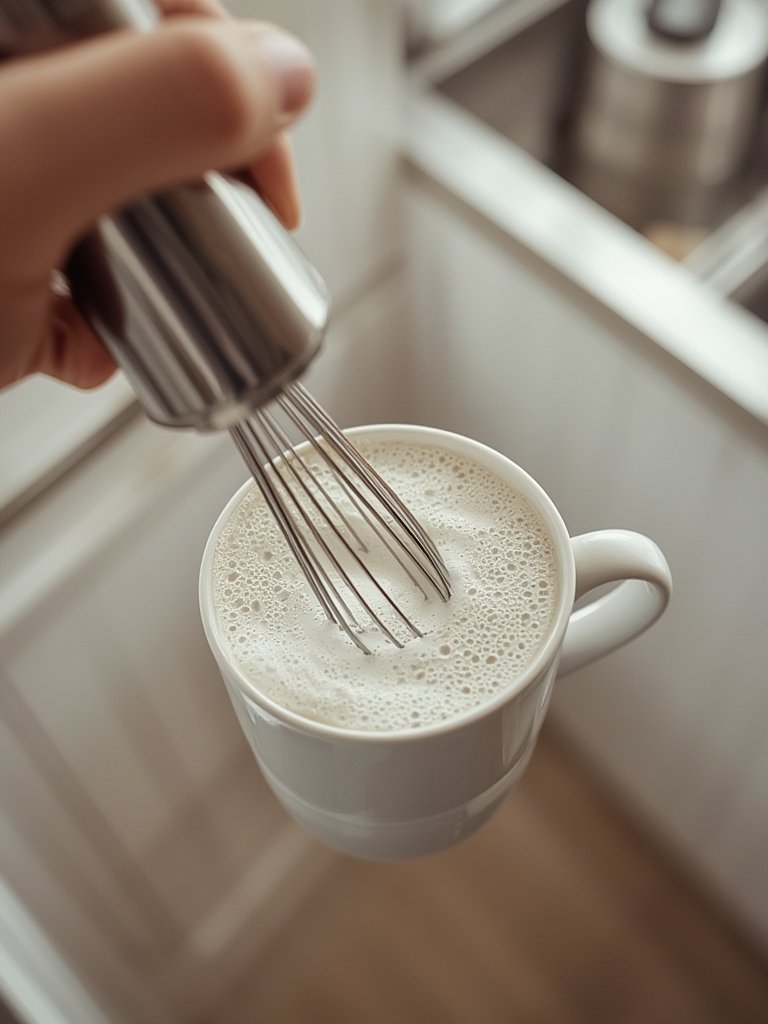
Handheld milk frothers are also great for quick mix-ins. Use them for supplement powders or peanut butter in protein shakes, vinaigrettes, or whipping small batches of cream.
For more on how to perfect café drinks at home, see our cappuccino vs latte breakdown or our easy iced coffee recipes guide.
Advanced Analysis & Common Pitfalls
While handheld frother wands excel in ease and flexibility, a few realistic hurdles can frustrate first-time users or even experienced home baristas. Here’s what the research and community feedback reveal:
| Feature/Category | Handheld (Battery Powered) | Plug-in/Electric (Automatic) |
|---|---|---|
| Portability | High (no outlet needed) | Lower |
| Materials | Plastic, stainless steel | Plastic, stainless steel |
| Market Appeal | Home use, casual baristas | Efficiency, café-quality |
- Battery changes: Handheld frothers rely on AA or AAA batteries. Power fades with weak batteries, causing the whisk to slow and foam to become thin or inconsistent. Consider rechargeables.
- Splash and mess: If you turn on the wand before it’s fully submerged, milk splatters are common. Always start the whisk just under the liquid’s surface.
- Inconsistent foam: Compared to plug-in electric or professional steam frothers, handheld models struggle to create true microfoam like café machines. This is especially true for latte art. Expect larger bubbles and slightly less stability—but enough for most at-home drinks.
- Material build: Cheaper frothers use plastic shafts and lightweight whisks, making them less durable. Stainless steel models are tougher but cost more.
- Cleaning: While cleaning is typically a rinse-and-go task, plant-based milks (especially oat) can leave sticky residue. Rinse the whisk immediately and run it briefly in a cup of clean water.
- Hidden costs: While handheld frothers are affordable, watch for recurring battery costs and occasional whisk replacement. If your frother supports multiple attachments, keep an eye on accessory prices.
For a clear price comparison and accessories, browse our list of best milk frothers reviewed to weigh value versus features.
Want smoother café drinks? You may outgrow simple handhelds if you’re pursuing true latte art or microfoamed milk—semi-automatic steam frothers or espresso machine wands provide more control but cost and clean-up rise significantly, as seen in our automatic vs manual frother comparison.
Still, a quality handheld frother can be the most practical upgrade for everyday kitchen use, especially for beginners or those with limited counter space. Market stats—such as from Cognitive Market Research—show that battery-powered wands remain the segment’s fastest-growing sellers.
Conclusion
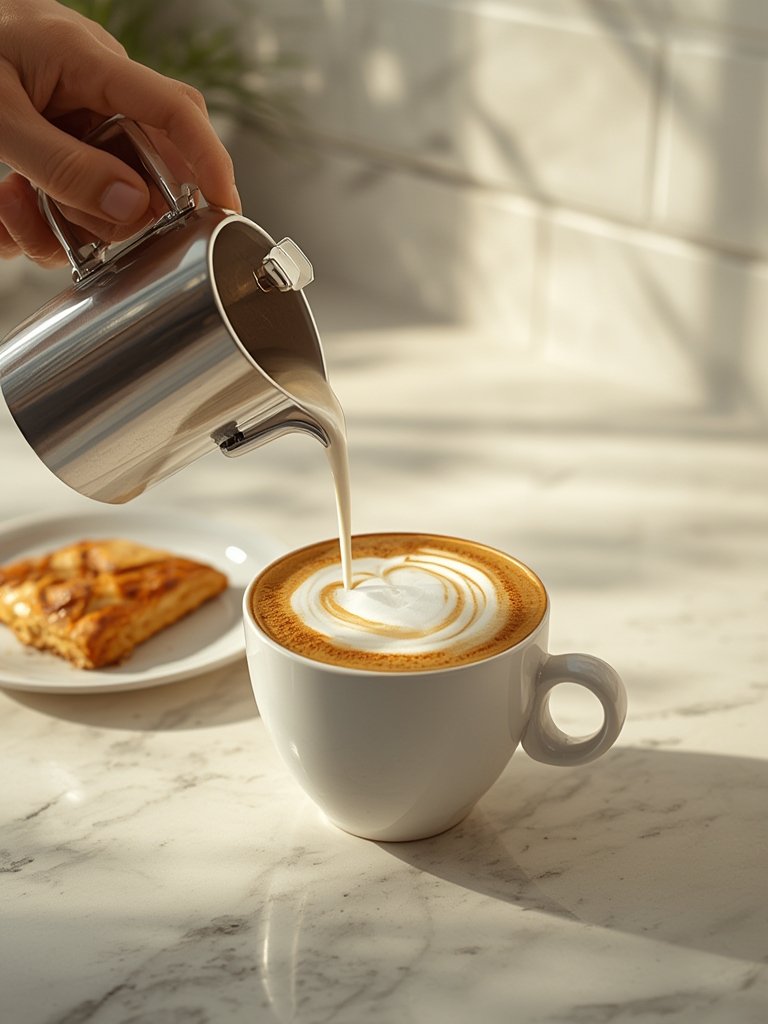
Handheld milk frothers are powering a new wave of home coffee upgrades. With just a milk frother handheld and a little practice, you can whip up frothed milk for your favorite cappuccinos, lattes, or iced coffee any time—no complicated machines required. Stay aware of battery levels and keep your whisk clean for the best results. Ready to enjoy café-style foam without the fuss? Find our full milk frother reviews and start making silky foam at home today!
For more expert troubleshooting, see our guide on why is my milk frother not working? and get the most from your kitchen gadgets.
FAQ
Can a handheld milk frother make microfoam like café machines?
Handheld milk frothers create good froth for lattes and cappuccinos, but they do not match the fine, glossy microfoam of a commercial steam wand. The bubbles are typically larger and the foam is less stable for art, but the texture works well for most home drinks.
What types of milk work best with a milk frother handheld?
Whole milk creates the densest, creamiest foam, but 2%, oat, and soy milks work well too. Plant-based options may require more agitation or a small sugar/salt addition for extra structure.
How do I clean a handheld coffee frother wand?
Immediately after use, run the whisk in a cup of clean water to rinse off milk residue. For stubborn buildup, soak in warm, soapy water and use a soft brush; always dry before storing.
How long do the batteries last in a typical handheld frother?
Battery life varies by device and brand, but with frequent use expect to replace AA or AAA batteries every 2–3 weeks. Rechargeable batteries help reduce long-term costs.
Are handheld milk frothers safe for children to use?
Yes, under adult supervision. The spinning whisk moves fast and should never contact fingers, but there are no heating elements or complex safety risks as with plug-in models.