


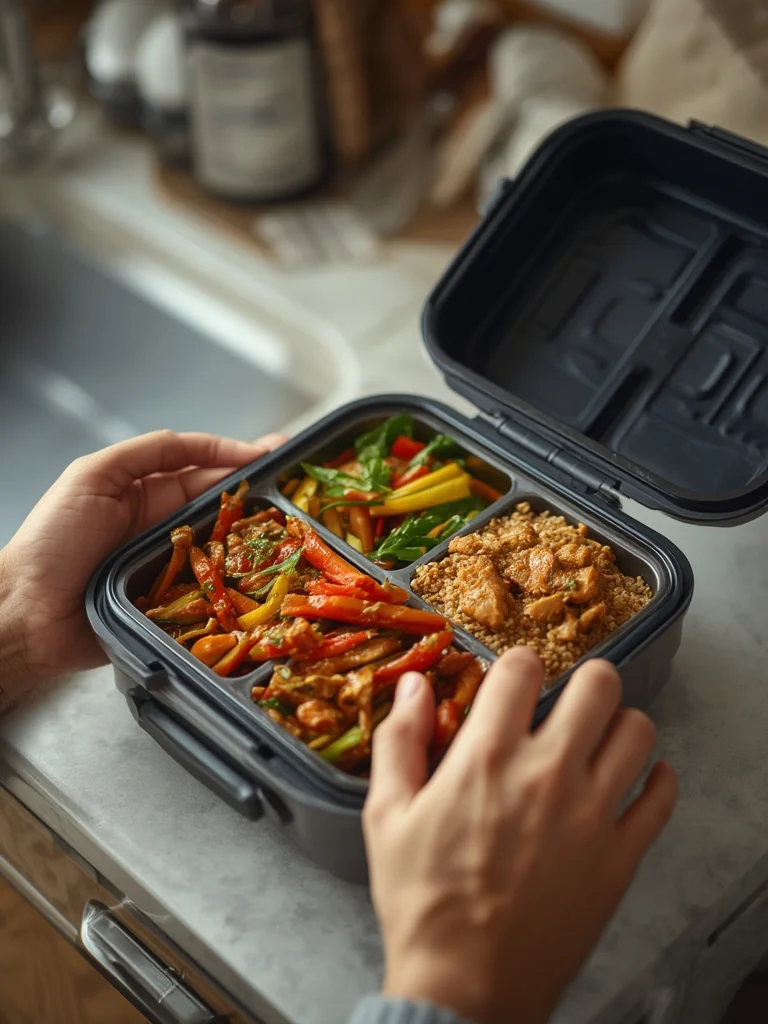
Electric Lunch Box demand is rapidly rising as more people seek convenient, healthy, and customizable meals on the go. Whether you are a student, office worker, or traveler, understanding the latest trends—and common pitfalls—will help you choose the best option for your needs.
Key Takeaways
- Electric lunch box sales are booming with strong growth in North America and fast expansion in Asia-Pacific.
- Market features now include multi-compartment designs, car compatibility, and smart digital functions, but clear info on safety and specs remains scarce.
- Choosing the right electric lunch box means balancing real-world use, safety, and features—know the gaps before you buy.
- The Core Concept: What Is an Electric Lunch Box—And Why Buy One?
- Step-by-Step Guide: How to Use an Electric Lunch Box Effectively
- Advanced Analysis & Common Pitfalls
- Conclusion & Next Steps
- FAQs
The Core Concept: What Is an Electric Lunch Box—And Why Buy One?
An electric lunch box is a portable device that lets you heat or keep your food warm without a microwave or stove. Most models can plug into a standard wall outlet, your car’s power, or even USB for flexibility at work, in vehicles, or outdoors.
According to multiple recent market reports, electric lunch boxes are now a $600-$950 million industry, rapidly growing at a CAGR of 6.6% to 9.7% through 2030. This growth is especially strong in North America (leading with nearly 40% market share) where health-conscious workers and students want fresh, warm meals. Asia-Pacific isn’t far behind, driven by a growing middle class and urban workforce (source, source).
Why use one? Unlike cold-packed meals or fast food, an electric lunch box helps you eat healthier, save money, and avoid the crowds at lunch spots. Many offer several compartments so you can portion main dishes, sides, and snacks in one go—ideal for meal preppers and anyone with dietary or portion-control needs.
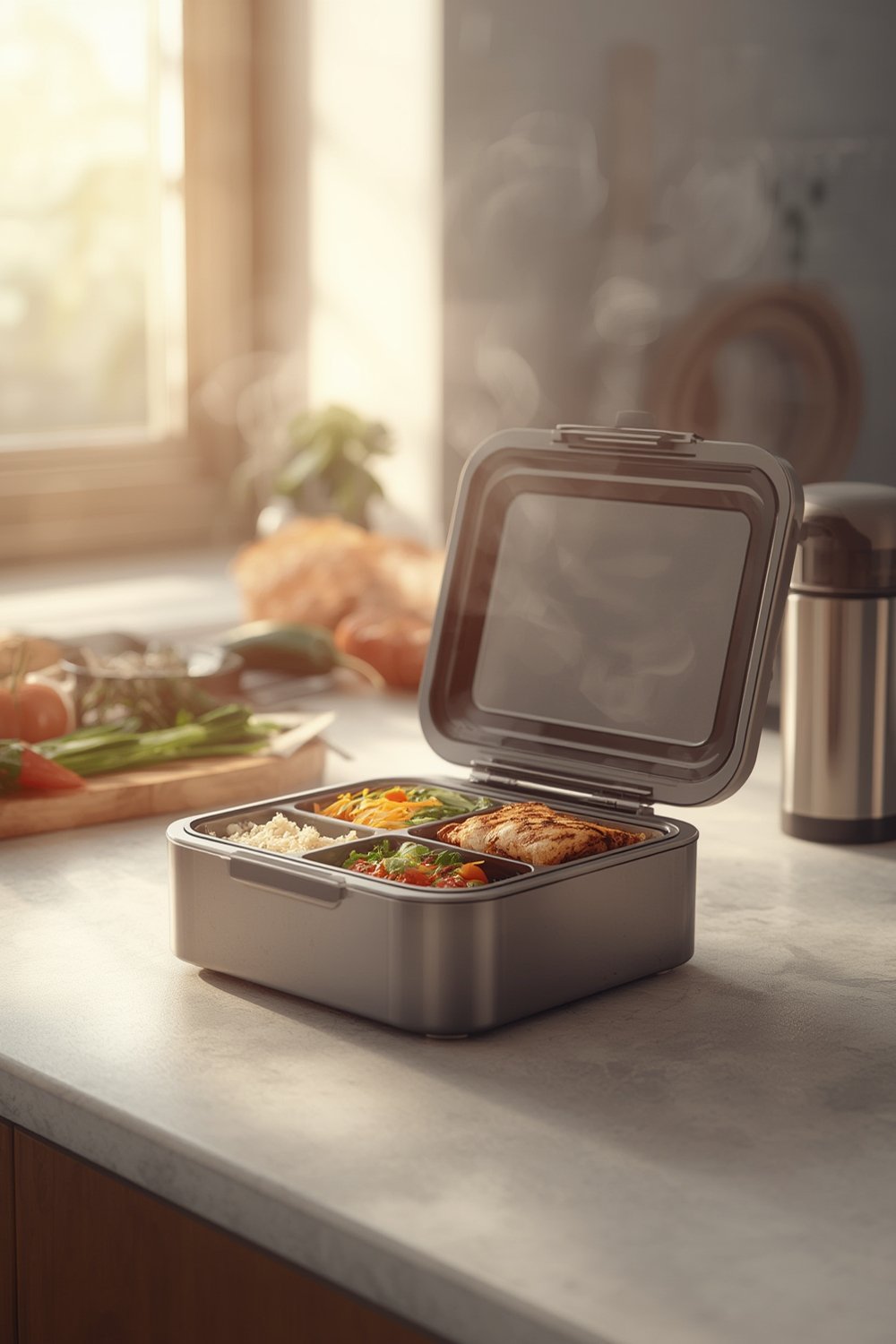
Step-by-Step Guide: How to Use an Electric Lunch Box Effectively
- Prep Your Meal: Choose foods that reheat well. Avoid extremely runny soups or oily foods unless the container is labeled leakproof. Cut food into even pieces for faster warming.
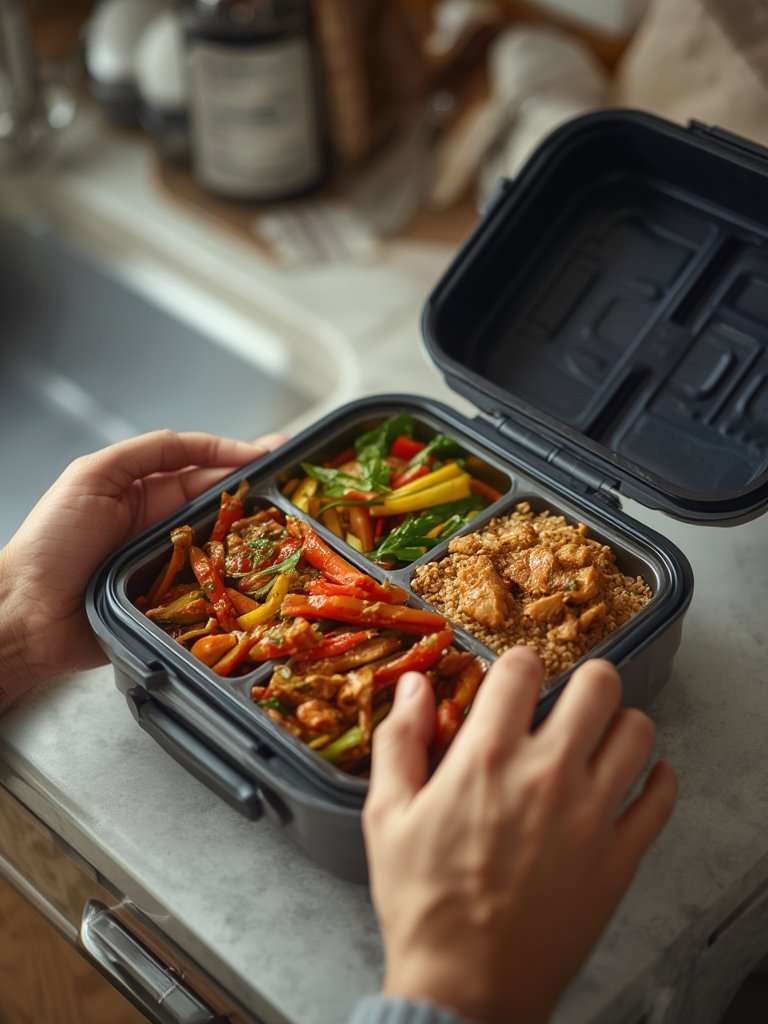
- Add Food to Compartments: Use the built-in trays or containers that came with your device. If your model doesn’t support metal or glass, avoid adding them to prevent safety risks.
- Seal the Lid Securely: Make sure all gaskets and locks are tight to prevent spills, especially if you commute or travel frequently.
- Plug In: Use the proper power cord (wall, car adapter, or USB). Make sure the cord isn’t frayed and keep it away from wet areas.
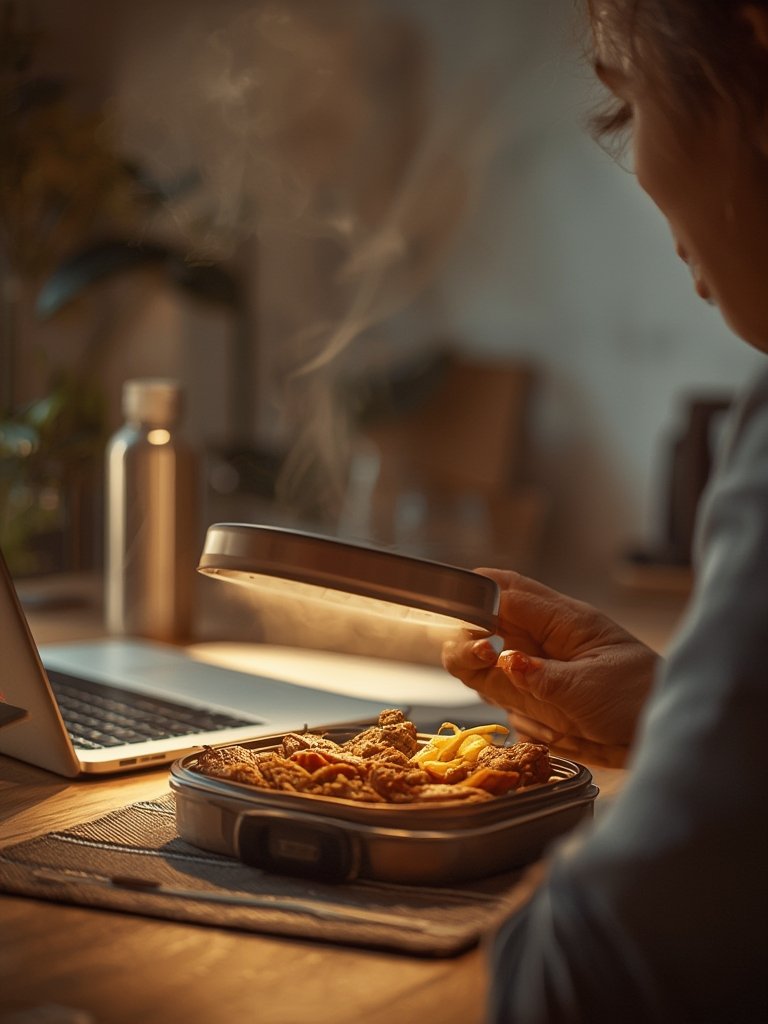
- Monitor Warming: Many lunch boxes don’t have precise temperature controls or timers. Start with shorter warming times (10-15 minutes), then check food temperature and adjust as needed.
- Clean After Use: Let your box cool, then clean trays and lids with warm, soapy water. Avoid submerging electrical parts—wipe with a damp cloth instead.
Looking for more on kitchen gadgets that boost health and convenience? Check out our guide on the portable blender for smoothies on the go and smart air fryers for healthier meals at home.
For best results, always follow your product’s safety instructions, and never use container materials unless they’re listed as compatible in the manual.
Advanced Analysis & Common Pitfalls
Electric lunch boxes solve a big pain point—fresh, warm meals anywhere—but there are still drawbacks and information gaps consumers should know about.
| Feature/Pitfall | Details | Practical Tips |
|---|---|---|
| Lack of User Feedback | Most market reports do not include real-world user reviews. Hard to judge leakproof performance, long-term durability, or speed of heating. | Check multiple retailer sites for actual user reviews before buying. Test at home with water before packing real food. |
| Unknown Technical Specs | Exact wattage, heating temperatures, and reheating speeds are rarely published (source). | Contact the manufacturer for full specs if you have strict needs (e.g., food safety, specific meals). |
| Safety Certifications Missing | Findings show little coverage of safety certifications like UL or FCC, or warranty terms. | Insist on labeled certifications and ask about return/warranty options before you buy. |
| Container & Meal Compatibility | Most brands do not specify which containers (plastic, steel, glass) are safe, or recommend optimal meals. Oily or liquid foods may leak in poorly sealed models. | Test at home. Only use containers provided or approved by the manufacturer. Avoid runny or greasy meals unless product is marketed as leakproof. |
| Feature/Price Gaps | Mid-range pricing dominates the market, but high-end features like smart controls and long battery life can cost significantly more (source). | Decide if features like digital display and charge options are worth the investment for your routine. |
Want to organize your kitchen space? Discover the magnetic spice rack hacks for easy-access ingredients or see how a standing desk converter can improve your workday at home.
Conclusion & Next Steps
Electric lunch boxes are more popular—and smarter—than ever, offering customizable meal options powered at work, in the car, or anywhere you go. But buying the best one still means you need to look beyond marketing claims. Always check for safety certifications, find out compatible containers, and read real user reviews.
Ready to take charge of your lunch routine? Start by comparing real-world features and looking for the right Electric Lunch Box for your lifestyle. For more healthy upgrades, see the water filter pitcher guide or learn about the benefits of a home ice bath tub for recovery.
FAQs
How long does it take to heat food in an electric lunch box?
Most electric lunch boxes warm food in 15-30 minutes, but exact times vary widely since technical data is lacking. Always check halfway, especially with dense or cold meals.
Is it safe to use a stainless steel container inside an electric lunch box?
Only use stainless steel or other containers if the manufacturer specifically approves them. Some boxes are only compatible with plastic or their own trays.
Can I use my electric lunch box to cook raw food?
Most are designed only for reheating, not cooking from raw. Always check product manuals. Cooking raw proteins may not reach safe temperatures.
Does an electric lunch box need any specific safety certifications?
Look for UL, CE, or FCC markings where possible. Many brands do not publish certifications—this is a gap in the market, so always check before purchase.
What types of meals are best for an electric lunch box?
Simple leftovers, rice and veggies, pasta, and most pre-cooked dishes work well. Avoid very oily, liquid, or crispy foods—they may leak or lose texture.