


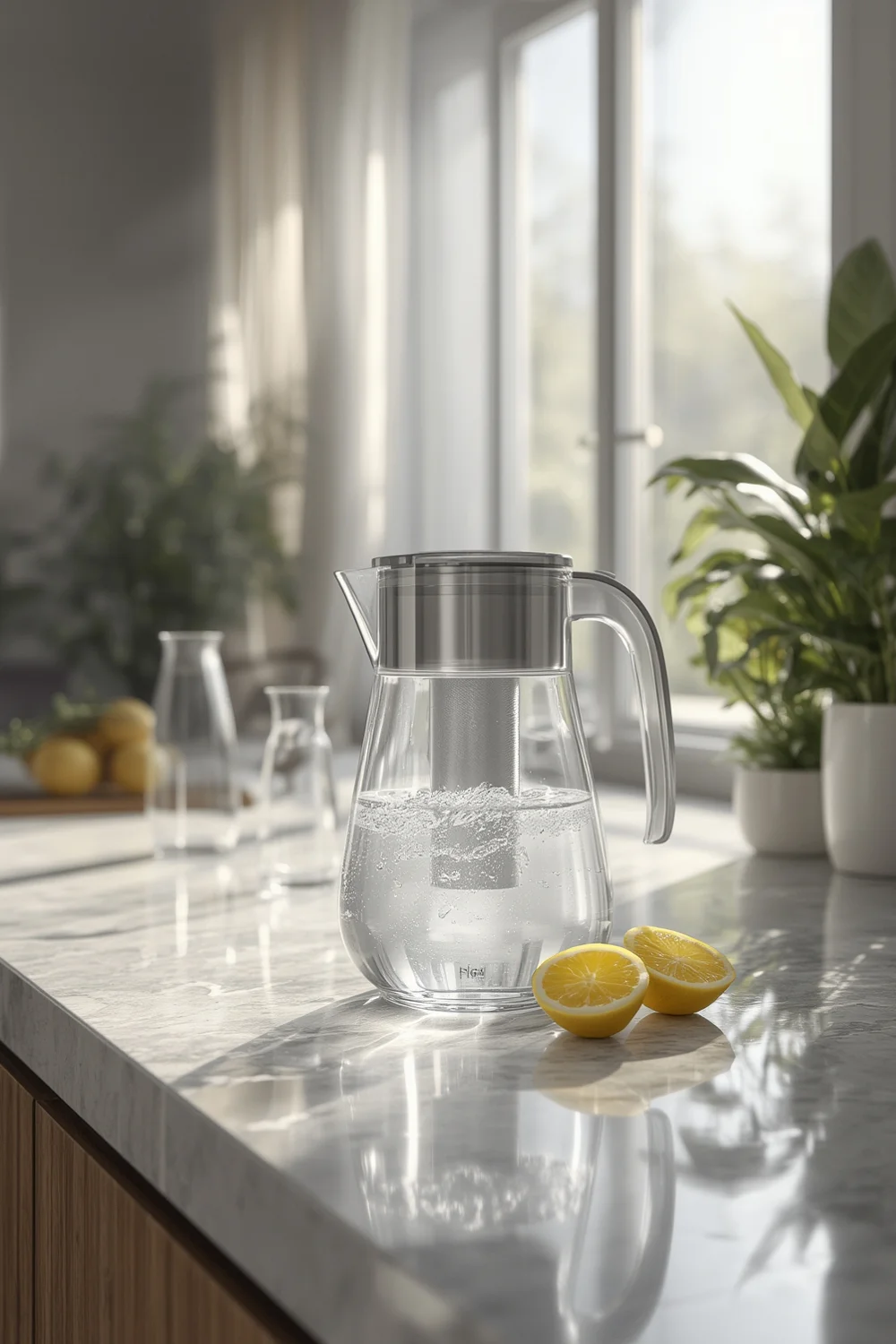
Water Filter Pitcher is often considered the simplest, most affordable step toward healthier drinking water at home, especially for those concerned about lead exposure. But not every model is equally effective, and relying on marketing claims alone can leave you disappointed—or at risk. Here’s what you need to know before you invest.
Key Takeaways
- Not all water filter pitchers are certified to remove lead—always check for NSF/ANSI 53 certification.
- Most user frustrations stem from ignoring filter replacement schedules or misunderstanding pitcher capabilities.
- Real safety starts with certification, correct use, and awareness of what a pitcher does not filter out.
- What Makes a Water Filter Pitcher (Actually) Safe for Lead?
- Step by Step: Choosing and Using a Lead-Reducing Water Filter Pitcher
- Advanced Analysis & Common Pitfalls
- Conclusion
- Frequently Asked Questions
What Makes a Water Filter Pitcher (Actually) Safe for Lead?
Nearly every household water filter pitcher claims to remove “impurities,” but only a subset is genuinely effective against lead—a serious neurotoxin, especially dangerous for kids. NSF International and other accredited organizations certify products through the rigorous NSF/ANSI 53 standard, which tests reduction of lead to levels below the current safety benchmark. Without this third-party validation, a pitcher’s lead reduction claims are just that—claims, not guarantees.
Major certifying bodies include NSF International, WQA, and IAPMO. The critical standard, NSF/ANSI 53, measurably verifies a filter’s lead reduction capabilities. While there’s no public data quantifying what percent of pitchers in 2024 are certified, it’s your responsibility to verify a model’s listing in the official NSF or EPA databases before purchase. Looking for a quick start? Browse the NSF lead reduction certified products page or see best fluoride water filter pitcher guides for comparative reviews.
Step by Step: Choosing and Using a Lead-Reducing Water Filter Pitcher
Here’s how to select, verify, and get the safest results from your water filter pitcher, with practical advice you won’t find on the product box.
-
Identify Your Water Quality Needs
Start with a recent tap water test or review your municipality’s water report. If lead is present, focus on pitchers certified to reduce lead (NSF/ANSI 53). For other issues—chlorine taste, chromium, or PFAS—ensure the pitcher lists relevant certifications. -
Verify Third-Party Certification
Always look for NSF/ANSI 53 listing. Check both the box and actual model number online. Don’t assume any “famous” brand covers all their products under one certification. -
Compare Real Pitcher and Replacement Filter Costs
This step is often overlooked (see our detailed breakdown in how long does a water filter pitcher last?). Annual costs can add up. Check price and rated gallons per cartridge—cheaper initial purchases can cost more in filter replacements by year-end. -
Install and Prime According to Instructions
After unpacking, flush or soak filters as instructed. Discard the first pitcher or two of filtered water to clear carbon dust and prime the filter media fully. Improper priming reduces effectiveness. -
Track Filter Usage and Replacement Timing
Mark your calendar or use automated reminders if the pitcher lacks a built-in indicator. -
Monitor Taste and Flow Rate
Slower flow or odd taste means the filter needs changing—even if you haven’t reached its rated capacity (as discussed in why does a water filter pitcher slow down?).
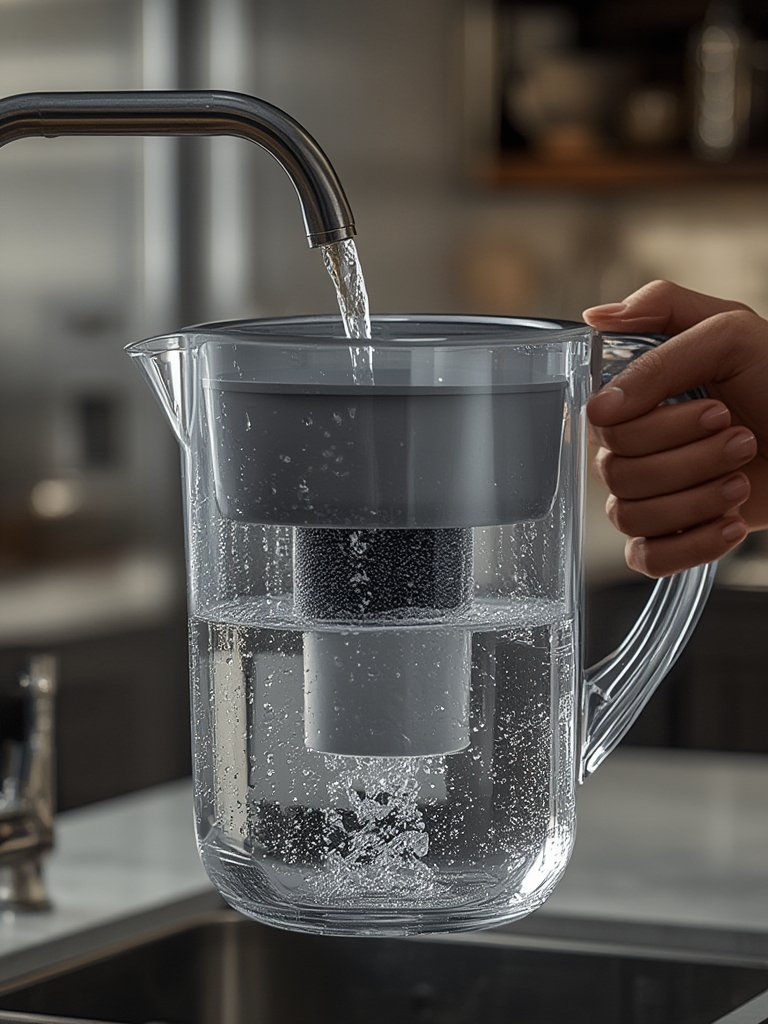
Note: Avoid filling beyond pitcher capacity—overflowing causes unfiltered water to bypass the filter element. Also, store filtered water in the refrigerator to discourage bacterial growth if not consumed right away.
Advanced Analysis & Common Pitfalls
Jumping on the water filter pitcher bandwagon does not guarantee safer water. Below are the realistic challenges and key differences most buyers overlook—including some common traps that can turn a sensible purchase into a wasted effort.
Common Pitfalls: What Goes Wrong
- False Security from Uncertified Products: Many pitchers market “lead reduction,” but unless certified by NSF/ANSI 53, results are not validated.
- Ignoring Replacement Schedules: Lead removal rates plummet when filters are used beyond rated capacity. Most negative reviews arise from overextended cartridges.
- Unknown Contaminant Coverage: Standards are contaminant-specific. A filter certified for lead doesn’t necessarily remove chromium, VOCs, or PFAS.
- Taste and Flow Complaints: Overused or misprimed filters can cause bad taste or slow flow. Storage temperature also impacts effectiveness and safety.
- Price vs. Performance Mismatch: Lower upfront cost may mean more frequent filter replacements or lower contaminant removal. See our Brita vs PUR vs ZeroWater comparison for deeper product differences.
Performance Comparison Table: Pitcher vs. Alternatives
| Filtration Option | NSF/ANSI 53 Certified? | Effective Lead Reduction | Other Contaminant Coverage | Average Annual Cost |
|---|---|---|---|---|
| Pitcher (Certified) | Yes (Check model) | 99% reduction to safe levels | Limited (check claims) | Varies, typically $60–$120 |
| Faucet-Mount Filter | Yes (select models) | High | Moderate | $80–$180 |
| Under-Sink System | Yes (premium) | Very High | Broad | under-sink systems |
| Uncertified Pitcher | No | Unverified | Unknown | Varies, typically $20–$60 |
Annual costs are rough averages since actual filter replacement intervals depend heavily on use and water quality. Always cross-reference with product ratings and see our how much do water filter pitchers cost per year? breakdown for deeper analysis.
Overlooked Contaminants and Consumer Expectations
NSF/ANSI 53 certified pitchers remove lead and sometimes other dangerous contaminants, but every claim is contaminant-specific. Many pitchers do NOT remove PFAS or arsenic unless specifically tested and listed for those substances—never assume. If your goal is comprehensive contaminant removal, check best pitcher for well water with more features or consider under-sink systems.

Conclusion
Getting peace of mind from your water filter pitcher requires more than a big-brand label. Certification, careful use, and respecting filter lifespans are non-negotiable. Don’t leave your family’s health to chance or empty marketing claims—choose a pitcher that’s certified for lead, follow the manufacturer’s instructions, and replace filters regularly. Always ask, verify, and compare before investing. Stay proactive and ensure every glass you pour is truly safer. Ready to make an informed upgrade? Start by reviewing our favorite NSF/ANSI 53 certified models now.
Frequently Asked Questions
How do I know if my water filter pitcher removes lead?
Check for an NSF/ANSI 53 certification seal on both the packaging and the specific model number. For complete assurance, search the pitcher model in the official NSF certified lead reduction products directory.
How often should I replace water filter pitcher cartridges for lead?
Replace cartridges at or before their stated capacity, typically every 2-3 months or after filtering the number of gallons listed in the manual. Overusing filters decreases lead removal and overall filtration effectiveness.
Are any popular water filter pitcher brands unsafe for lead?
Brand alone is not enough—Brita, PUR, ZeroWater, and Aquasana all have both certified and uncertified models. Always search by model number.
What happens if I use the filter beyond its rated life?
Overused cartridges lose effectiveness. This can let lead and other contaminants through unchecked, making your water less safe than tap alone.
Do water filter pitchers remove viruses or bacteria?
No, standard pitcher filters do not remove viruses or bacterial contamination. For microbiological safety, consider systems certified to NSF/ANSI 53 and 55 or use proper boiling techniques.