


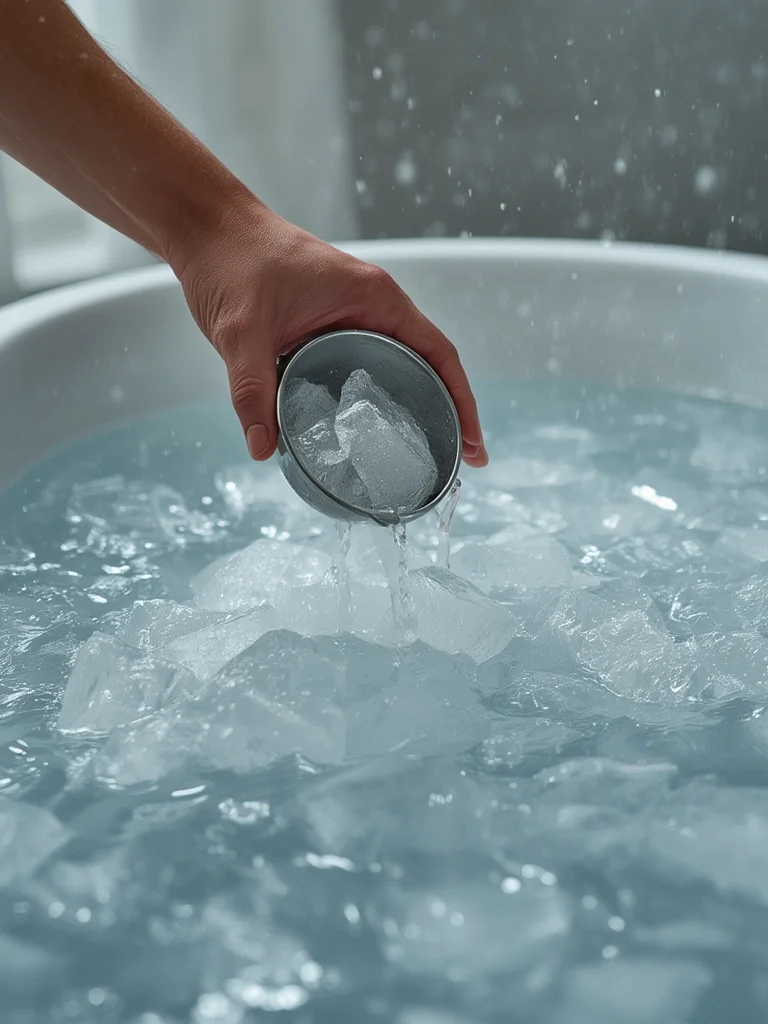
Ice Bath Tub solutions are rapidly shaping the home and fitness recovery world, promising chilly wellness routines for athletes and everyday users alike. But before you invest, understand the realities—costs, installation, benefits, and drawbacks—so your plunge is worth it, not a regretful splash.
Key Takeaways
- The ice bath tub market surged in 2024, driven by growing demand among athletes and wellness-minded homeowners.
- High upfront costs, installation complexity, and limited clinical data on health benefits are common buyer challenges.
- Athletes, fitness enthusiasts, and wellness seekers benefit most—here’s how to choose, use, and avoid costly mistakes.
- What is an Ice Bath Tub and Why are They Popular?
- Step-by-Step Guide: How to Choose and Set Up an Ice Bath Tub
- Advanced Analysis & Common Pitfalls
- Conclusion
- Frequently Asked Questions
What is an Ice Bath Tub and Why are They Popular?
An ice bath tub is a specially designed vessel for cold water immersion—usually filled with water at 10 to 15°C (50 to 59°F) or even colder using ice or mechanical chilling systems. These tubs are favored by athletes and fitness enthusiasts for muscle recovery after intense workouts, and more recently, by people seeking wellness routines at home. The 2024 market value for cold plunge tubs is estimated between $320.81 million to $365.92 million, reflecting soaring demand—especially for residential models [source], [source].
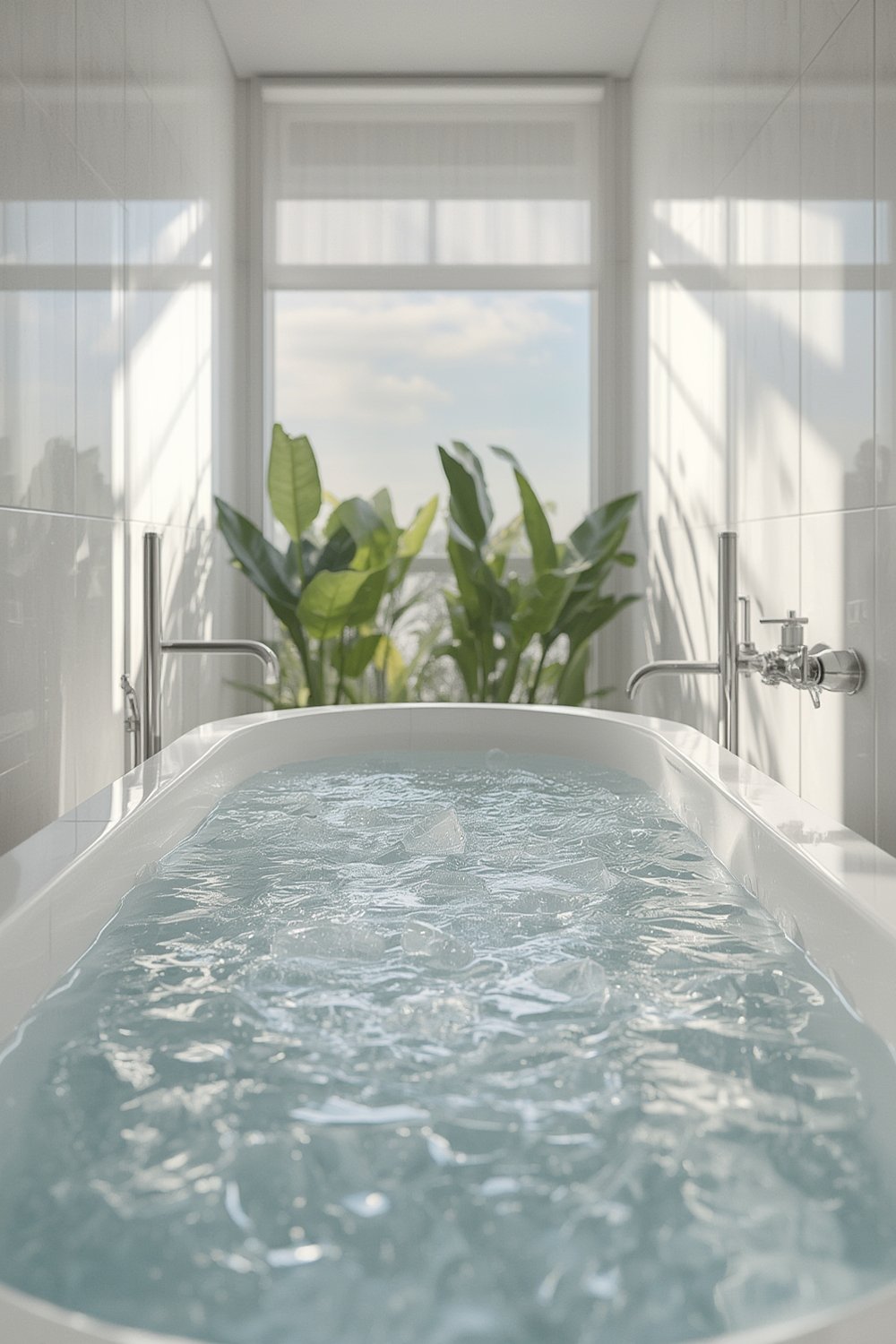
Cold immersion therapy is embraced by elite sports teams and influencers—a trend now accessible at home. Globally, user interest in cold plunge routines is exploding: UK searches grew 206% over two years, and North America is projected to hold 39% market share in 2025 [source]. Adoption is also rising among wellness-focused consumers, urban spa users in the UK, and hydrotherapy enthusiasts in Japan [source].
For more in-depth knowledge about related equipment, check out our guide on cold therapy dos and don’ts.
Step-by-Step Guide: How to Choose and Set Up an Ice Bath Tub
Ready to try cold plunge therapy? Here’s a direct, actionable path to setting up your own ice bath tub routine at home.
-
Identify Your Space and Needs
Decide where your tub will live. Some need a dedicated bathroom, deck, or garage corner. Measure your space, check for drainage access, and electrical outlets if choosing a model with chilling systems. -
Choose the Tub Type
- Portable/Ice-filled (inflatable or foldable, often under $500, easy storage, but minimal insulation—best for infrequent use)
- Insulated/mechanically chilled (hard-sided, built-in or chiller-equipped, $3000+; holds temp longer, more comfortable, but higher cost and harder to move)
For more, compare with recommendations in our best cold plunge tubs review.
-
Inspect Materials and Features
Look for durable PVC, reinforced plastic, or stainless steel for longevity. Critical features include robust insulation, wide temperature range (ideally down to 3°C/37°F), and portability if you plan to move the tub often. -
Calculate Total Cost
Budget not just for the tub, but recurring expenses: ice (if not mechanical), water, cleaning supplies, and possibly higher electricity bills with chillers. Annual maintenance and deep cleans are a must. Details on maintenance can be found in our DIY cleaning guide. -
Set Safety Protocols
Always start with short soaks (2–5 minutes) and avoid going solo—especially if you are new or have circulation issues. Monitor for dizziness or discomfort. Check temperature before every plunge. -
Regular Cleaning and Maintenance
Drain, scrub, and disinfect after each set of uses to prevent mold and bacteria growth. Invest in a water filter for larger units. See our post on preventing biofilm in cold tubs for more tips.
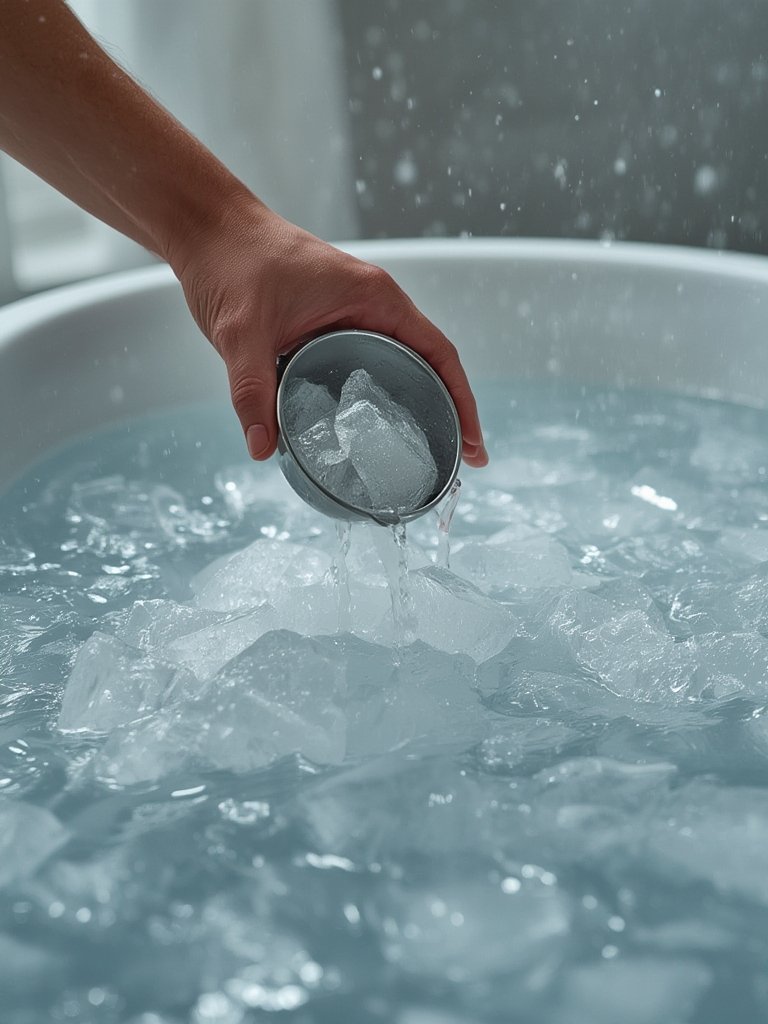
To understand different features in detail, our article on chiller vs. ice bath tub breakdown dives deeper into tech and running costs.
Advanced Analysis & Common Pitfalls
Despite the hype, ice bath tubs present real-world challenges and frustrations. Buyers should be aware of the following pitfalls and limitations:
- High Upfront Costs: Mechanically chilled tubs range from $3000–$8000. Even portable models can become expensive with accumulated ice and water costs over time. Market analyses consistently cite steep initial outlays as a major barrier [source].
- Maintenance Strain: Bacteria, mold, and water quality are persistent issues. Long pauses between uses can turn tubs into biohazards fast.
- Little Verified Data on Health Outcomes: Many cold therapy benefits—like improved muscle recovery or reduced inflammation—are cited anecdotally. Recent market research shows no robust, peer-reviewed studies proving these effects for regular home users [source].
- Physical Risks: Misuse can cause hypothermia or circulatory shock. Individuals with cardiovascular or nerve conditions should avoid unsupervised plunges.
| Feature/Drawback | Inflatable/Portable Tubs | Mechanically Chilled Hard-Sided Tubs |
|---|---|---|
| Temperature Hold | Short, unreliable | Programmable, stable |
| Upfront Cost | $100–$500 | $3000–$8000 |
| Running Cost | Ice, water with every use (~$5–$15 per plunge) | Moderate energy draw (est. $20–$60/month) |
| Temperature Hold | Short, unreliable | Programmable, stable |
| Portability | Easy to move/store | Fixed, requires permanent spot |
| Common Issues | Punctures, poor insulation, leaks | Mechanical failure, high repair cost |
Cold therapy isn’t for everyone, and success depends on your tolerance, frequency, and safe practices. For further troubleshooting, see our breakdown of ice bath troubleshooting steps.

Conclusion
Setting up an ice bath tub can deliver real recovery and wellness rewards—if you approach it realistically. High costs, cleaning hassles, and health risks are facts, not myths. Most advantages are anecdotal or based on market momentum, not robust science. Still, for athletes, fitness lovers, or anyone seeking a new wellness routine, an ice bath tub could be the cornerstone of your home recovery setup—if done smartly and safely.
Ready to take the (cold) plunge? Compare your options, consider the costs, and always prioritize safety. For more advice, check our comprehensive guides on recovery tools compared and our in-depth list of must-know cold immersion facts. Make your Ice Bath Tub a tool, not a mistake—get informed and plunge responsibly!
Frequently Asked Questions
Do ice bath tubs really speed up muscle recovery?
Many athletes and fitness users swear by it, but there’s little clinical research directly proving faster recovery over other methods. Most benefits are based on anecdotal results.
How cold should the water be for an effective ice bath?
Ideal immersion temperature ranges from 10 to 15°C (50 to 59°F). Colder settings are possible but increase risk—always start conservatively.
What are the main risks of using an ice bath tub at home?
Risks include hypothermia, circulatory shock, and accidental slips/falls. Never use alone if you have health conditions.
How much does it cost to run an ice bath tub each month?
Portable, ice-filled tubs can add $30–$100/month in ice and water for heavy users. Chiller-equipped tubs may cost $20–$60 monthly in electricity, plus cleaning supplies.
Who gets the most benefit from ice bath tubs?
Athletes, fitness enthusiasts, and wellness hobbyists who use cold plunges regularly for muscle relief or recovery report the most benefits, but data on satisfaction is limited.