


Best cookware material for health: With toxins, coatings, and misleading “non-toxic” claims everywhere, finding pans that are truly safe can feel overwhelming. This guide cuts through marketing—and dives into the latest science—to help you choose cookware that protects your health, not quietly risks it.
Key Takeaways
- Uncoated stainless steel, cast iron, carbon steel, 100% ceramic, glass (lead-free), and pure titanium are the safest cookware materials for health.
- Nonstick (PTFE/Teflon), ceramic-coated, most aluminum, and unlined copper cookware have the highest health risks—especially as coatings degrade or scratch.
- Even “non-toxic” and “PFOA-free” labels can be misleading; real protection comes from knowing how materials behave and how to use and maintain them safely.
- Quick answer — safest cookware materials for health (TL;DR)
- What recent science and watchdog testing (2022–2024) actually found
- Material-by-material health comparison
- Hidden/undercovered risks competitors miss
- How cookware releases harmful substances
- Cost, lifespan, and safety — does paying more equal safer cookware?
- Buying guide — how to choose safe cookware
- Use-and-maintenance rules to minimize risk
- Red flags, labeling claims, and the regulatory landscape
- Short, practical shopping shortlist
- Sources to cite
- FAQ
Quick answer — safest cookware materials for health (TL;DR)
If you want the bottom line, here it is: The safest cookware material for everyday kitchen use is uncoated stainless steel, cast iron, carbon steel, 100% ceramic, lead-free glass, and pure titanium. These are durable, naturally non-toxic, and do not rely on chemical coatings. Avoid nonstick (PTFE/Teflon), most ceramic-coated, and almost all unlined copper or aluminum cookware—these pose clear, science-backed health risks, especially as they wear or are damaged.
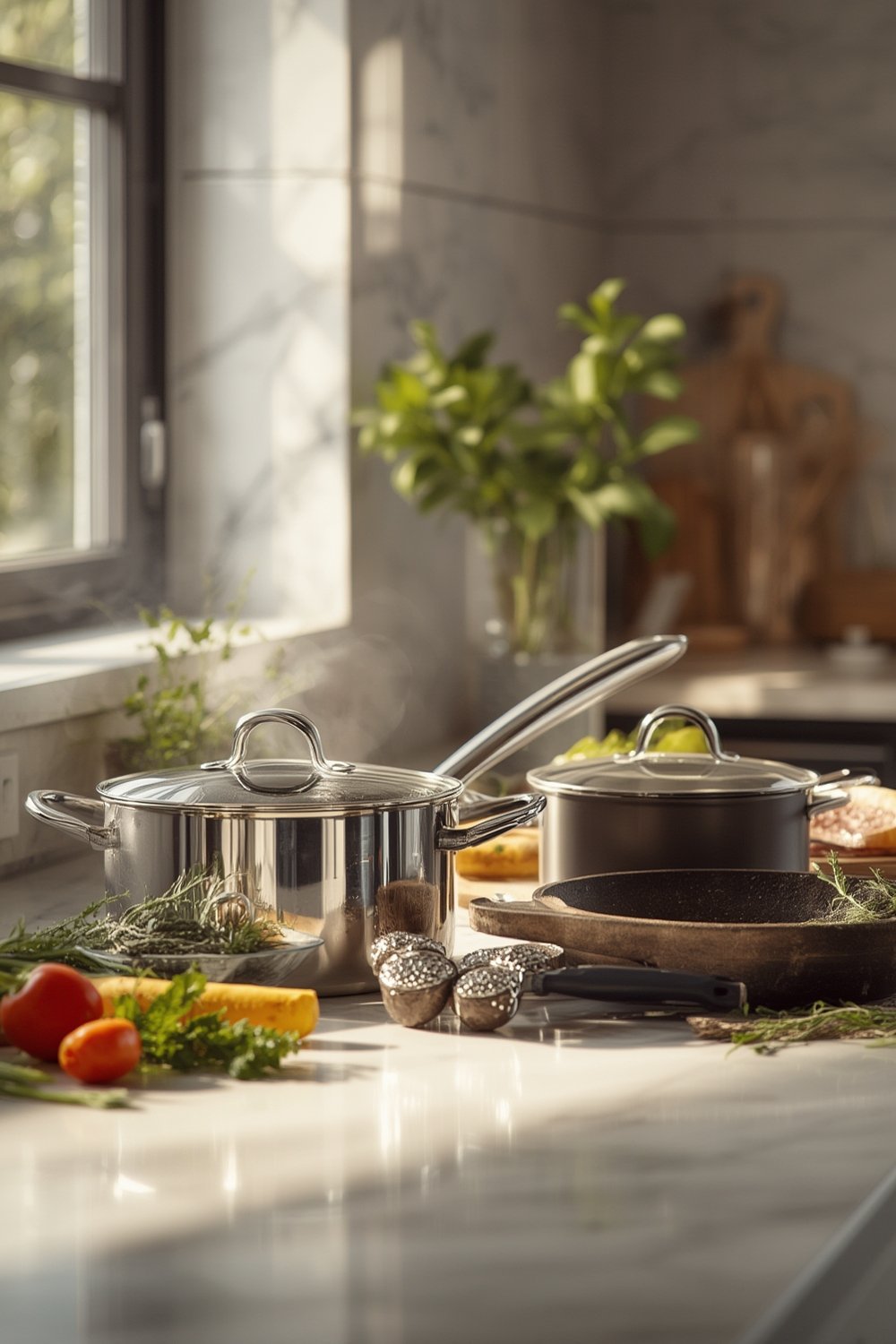
- Recommended: Stainless steel, cast iron, carbon steel, 100% ceramic, lead-free glass, pure titanium
- To avoid: PTFE/nonstick, most ceramic-coated, unlined copper/aluminum, pans with PFAS/PFOA-containing claims
Recent studies show scratched or overheated nonstick pans can release thousands to millions of PFAS particles. Ceramic coatings typically wear out in about a year or less, leading to unknown metal and nanoparticle exposure (Source, Consumer Reports).
What recent science and watchdog testing (2022–2024) actually found
Surprisingly, the most significant cookware health risks revealed in the last two years come not just from what’s in new pans, but from how coatings break down after everyday use.
Key findings from the latest science and watchdogs:
- A 2022 Raman spectroscopy study found that using metal or even wood utensils on nonstick PTFE coatings led to release of micro- and nanoplastics. Food-grade PTFE remains partly intact, but the particles are easily ingested.
- In 2024, tests of popular coated pans found thermal degradation of both PTFE (Teflon) and ceramic coatings starts around 250°C (482°F), with PTFE far more likely to release plastic particles than ceramic. Many home cooktops easily hit these temps.
- Consumer Reports detected PFAS—even in cookware clearly labeled “non-toxic” or “PFOA-free.” This means label claims from major brands are not always trustworthy.
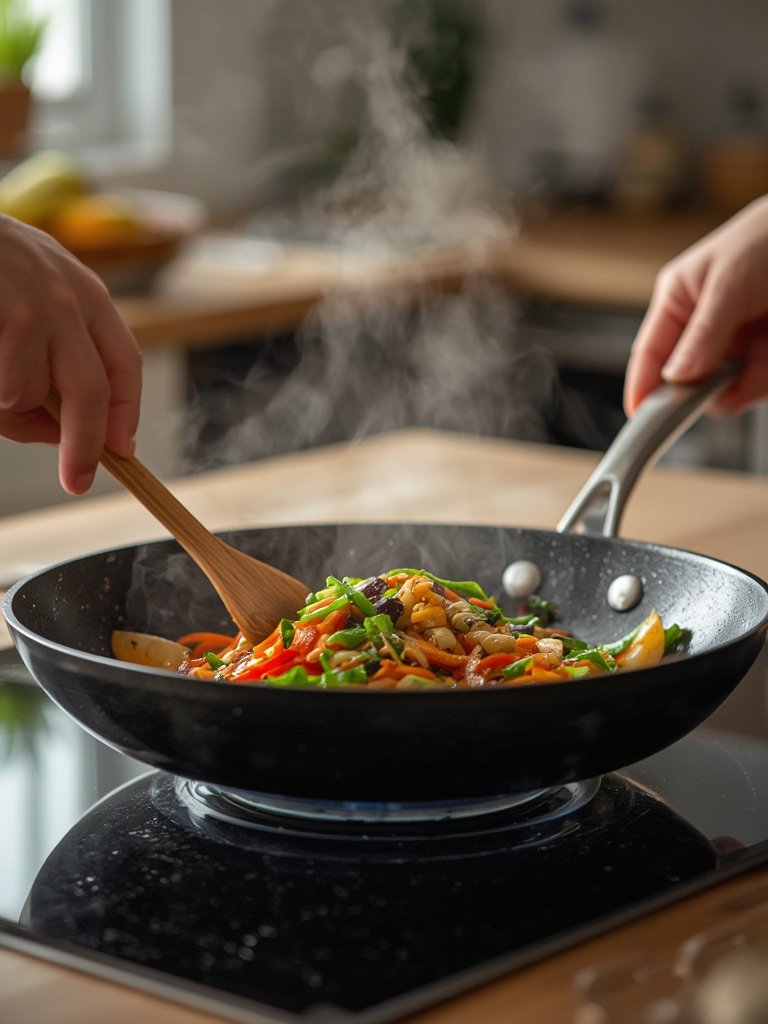
The takeaway: If it’s coated, it’s never immune to damage—and the toxic risks often grow each time you use the pan. Choosing uncoated, PFAS-free, or 100% ceramic materials can sharply lower your long-term health exposure.
For more tips on safe kitchen prep, check out our guide to lead-free water filtration, which complements healthy cookware choices.
Material-by-material health comparison
Each cookware material comes with its own real-world tradeoffs. Below, you’ll find a plain-English, evidence-backed verdict for every common type—plus tips for safe use and when to upgrade or replace.
| Material | Safety Verdict | Main Health Risk | Best Use / Tip | When to Replace |
|---|---|---|---|---|
| Stainless Steel | Excellent. Non-reactive, PFAS-free. | Virtually none. Nickel exposure possible in cheap alloys. | General cooking; dishwasher safe. Buy reputable grade (e.g. 18/10). | When warped, pitted, or handles become loose. |
| Cast Iron (Uncoated) | Excellent. Natural, durable, PFAS-free. | Leaches iron—usually safe, but not for those with hemochromatosis. | Heavy browning, searing; needs seasoning. Boosts iron intake. | Rarely required; maintain seasoning. |
| Carbon Steel | Very good. Slight reactivity, PFAS-free. | Can rust if neglected. | High-heat, stir fry, searing. Keep seasoned. | If pitted, warped, or rust is severe. |
| 100% Ceramic | Very good if true 100% ceramic. Inert, PFAS-free. | Lead risk in untested imports. Brittle if dropped. | Baking, roasting, gentle stovetop. | Cracked, chipped, or stained. |
| Glass (Lead-Free) | Excellent for oven use. No leaching. | Breakage is the main risk. | Baking, microwave, storage. Avoid stovetop. | If chipped, cracked, or stained. |
| Titanium (Pure) | Outstanding, but only if pure (medical-grade). | Low-quality alloys may introduce heavy metals. | Specialized use; light, non-reactive. Verify purity. | If coating peels (for hybrid pans), or obvious wear. |
| Enameled Cast Iron/Steel | Usually safe if lead-free glaze. | Imported/cheap brands can leach lead/cadmium from glaze. | Stews, braises, acidic foods. Stick to reputable brands. | If chipping occurs inside pan. |
| Nonstick PTFE/Teflon | Avoid. Releases PFAS on damage or high heat. | Particle release; especially past 250°C/482°F. Degrades after ~1 year. | Eggs, pancakes, quick cooking at low/medium heat. Never overheat. | At first chip or deep scratch—do not “tough it out.” |
| Ceramic-Coated (“Green”) | Avoid for longevity. Coating wears in ~1 year. | Metal/nano leaching once coating is damaged. Lead/cadmium risk in cheap imports. | Light, low-acid cooking only. Replace early and often. | Once surface dulls, scratches, or discolors. |
| Aluminum (Uncoated or Poorly Coated) | Not recommended. Susceptible to leaching when scratched or acidic foods used. | Aluminum exposure; potential neurotoxicity—though not fully proven. | Avoid unless anodized and never use with acidic foods. | Any time coating is worn or peeled. |
| Copper | Avoid unlined. Can leach and disrupt mineral absorption. | Copper leaches unless lined. Lining degrades over time. | Only use with intact stainless/tin lining. Check for lining wear regularly. | Immediately if lining wears through or is severely scratched. |
Bottom Line: For most, stainless steel and cast iron remain the best cookware material for health, combining longevity, safety, and versatility. Use pure glass or 100% ceramic (if you bake a lot), and titanium if you want the lightest, premium option—but only with proven purity. Avoid coatings that fail with time; your body will thank you.
To organize your new healthy kitchen, try a magnetic spice rack for easy, safe spice storage next to your stove.

Hidden/undercovered risks competitors miss
Many “healthy cookware” guides repeat the same basics. But three hidden pitfalls deserve your attention—especially if you want peace of mind for years, not just months.
Nanoparticles in Ceramic Coatings: The Unseen Exposure
Modern ceramic-coated pans often contain nanoparticles of titanium dioxide (TiO2), silica, or nanoclays. While TiO2 gives a tough, slick surface, emerging toxicology research links it to potential cancer and respiratory risk—especially when inhaled or ingested (source). We don’t yet know the full effects of eating these particles regularly, but with coatings wearing out typically in a year or less, the risk is not zero.
Copper with Linings: “Safe” Until Lining Wears Down
Copper pans must always have an intact lining—usually stainless steel or tin. Once this thin layer scratches through (sometimes in only a couple of years of regular use), copper can leach rapidly, interfering with essential minerals like zinc and weakening immunity. Even premium brands require routine inspection; don’t assume that buying “expensive” always means maintenance-free.
Titanium: Trusted Material, But Only If Pure
In theory, titanium pans should be the ultimate safe choice—they’re used in medical implants after all. The problem? Many “titanium” pans are actually cheap base metals with a thin titanium coating or alloy, and may contain undisclosed heavy metals. Only buy from reputable makers who can certify purity—otherwise, you may not get the true benefits of non-reactivity and safety.
For in-depth maintenance tips, check our guide to protecting and repairing butcher block surfaces, another kitchen feature where impurity and coatings can impact your health.
How cookware releases harmful substances (mechanisms: heat, abrasion, acid/food interactions)
Many people assume cookwares are inert—until they start to flake. Here’s how toxicity can sneak in, even before you notice visible damage:
- Heat: Most nonstick and ceramic coatings start to degrade above 250°C (482°F)—a temp often hit with empty pans or high-heat searing. Harmful particles are released long before you see smoke.
- Abrasion: Metal utensils, rough sponges, or stacking pans can scrape surfaces, releasing PFAS microparticles (PTFE/Teflon) or “nanomaterial” dust (ceramic coatings).
- Acidic Foods: Tomatoes, vinegar, and citrus can pull metals (like copper or aluminum) into your meal, especially once a surface is scratched, worn, or unlined.
For maximum safety: never use metal tools on coated pans, avoid high-heat preheating, and discard any cookware with flaking or dulling surfaces—even if the pan still “looks okay.”
Cost, lifespan, and safety — does paying more equal safer cookware?
Price and safety are connected, but not always in ways brands want you to believe. Here’s a practical breakdown:
- Stainless steel, cast iron, carbon steel, and solid glass: Usually last decades if cared for; buy once and use for life. Costs are typically moderate to premium but worth the investment for everyday use.
- 100% ceramic and pure titanium: Can be pricey up front, but with proper maintenance, can last for years (note: true ceramics are fragile).
- PTFE and ceramic-coated nonstick: Even expensive brands degrade in about one year if used regularly. The ongoing replacement cost and hidden health cost outweigh “cheap and easy” benefits.
- Lined copper: Extremely durable and high-performing if lined and maintained, but also luxury-priced.
Invest where it matters (durability, purity, no coatings) and avoid upgrading every year due to failing coatings—your wallet and your body will do better for it.
If you invest in premium pieces, protect them. Our guide to kitchen drawer organizers will help prevent damage from stacking and scratches.
Buying guide — how to choose safe cookware (labels, construction, what to avoid)
Follow this shopping checklist to choose the best cookware material for health—without falling for greenwashing or vague “wellness” claims:
- Read the label: Look for “100% ceramic,” “lead-free glass,” “18/10 stainless,” or “pure titanium.” Ignore generic “non-toxic” or “green” language if not verified by third-party testing.
- Avoid “PFOA-free,” “PFAS-free” marketing—unless the company can show independent test results. Consumer Reports found PFAS even in allegedly “safe” products.
- Check for linings on copper: Stainless or tin should be intact, unchipped, and evenly applied—no bare copper should show through.
- For titanium: Demand purity certification or stick with medical-grade makers (especially if you have metal sensitivities).
- Skip cheap “titanium” or “ceramic” fast-fashion cookware: These often use generic coatings, unverified glazes, or cut corners on materials, increasing risk at the very price point consumers hope to avoid.
When in doubt, ask the manufacturer for lab test documentation—or stick to known brands reviewed by Consumer Reports or health-focused watchdogs.
If you’re outfitting a new kitchen, don’t forget to choose utensils carefully—see our rolling pin buying guide if you also bake regularly.
Use-and-maintenance rules to minimize risk (practical dos and don’ts)
Every cookware—no matter how “safe”—can become risky if neglected. Here’s your at-a-glance table for day-to-day protection:
| Do | Don’t |
|---|---|
|
|
Studies confirm: abrasion (from utensils, stacking) and overheating (even briefly) are the main triggers for PFAS, metal, and nanoparticle release (source).
Protect your health by treating your cookware as “conditional”—durability and safety always depend on how you use and maintain each piece.
Red flags, labeling claims, and the regulatory landscape
Unfortunately, the cookware market’s regulatory climate hasn’t caught up with science—or with misleading marketing. Here is what to watch out for:
- “Non-toxic,” “PFOA-free,” and “Eco” labels: Often lack verified third-party certification. Consumer Reports found PFAS in cookware with strong safety claims.
- Lead-glazed ceramics: The FDA issued a new warning in August 2025 for imported pans found leaching lead. Always demand “lead-free tested” for ceramics and glass (FDA warning).
- No major U.S. or EU recalls for nonstick or ceramic cookware reported in the last 5 years—but recurring independent reports confirm exposure risks are real (source).
- Trust only third-party-tested certifications (NSF, LFGB, Prop 65 compliant), not factory-written assurances.
Always research brand reputation and demand proof—not just pretty packaging—before buying. For more tips on a healthy, organized kitchen, see our post on transforming your kitchen chaos.
Short, practical shopping shortlist (best buys by budget/use)
- Budget/Economy: Classic uncoated cast iron skillet; mainstream 18/10 stainless steel, or lead-free glass bakeware (Pyrex style).
- Midrange: High-quality carbon steel pan, reputable enameled cast iron (e.g. Le Creuset or Staub), 100% ceramic bakeware.
- Premium: American- or European-made stainless steel sets, true medical-grade titanium, or fully lined copper with regular re-tinning service.
- AVOID: All “PTFE”/Teflon, most ceramic-coated pans (even if “green”), cheap aluminum, bargain-brand copper without transparent lining info.
For a longer lifespan, buy fewer but better pieces, maintain them well, and swap out coating-based pans within their safe period. If you like smart kitchen upgrades, you might want to read about using a smart air fryer for healthy oil-free cooking, as that gear can also reduce exposure to some cooking byproducts.
Sources to cite (studies and watchdogs included in research)
- 2022 Raman spectroscopy study: PTFE releases micro/nanoplastics when abraded
- 2024 study: Coating degradation and PFAS release above 250°C (482°F)
- Consumer Reports: PFAS found in “non-toxic” cookware
- Let’s Go Green: Non-toxic cookware comparison
- Ruan Living: Safest pots and pans to cook with
- Amy Myers MD: Healthy cookware guide
- FDA: 2025 warning on imported leaded cookware
FAQ
Which cookware materials are safest for daily use?
Uncoated stainless steel, cast iron, carbon steel, 100% ceramic, lead-free glass, and pure titanium are considered safest for health. Avoid PTFE (Teflon), most ceramic-coated, and unlined copper or aluminum pans.
Are ceramic-coated pans really non-toxic?
Despite claims, most ceramic-coated pans wear out quickly (within a year) and may then release metals or nanoparticles like TiO2. Only 100% solid ceramic—not ceramic “coated”—is reliably inert if lead-free.
Does paying more guarantee safer cookware?
Not always. While premium stainless, cast iron, and titanium offer great safety and longevity, high-priced “nonstick” or “ceramic” pans rarely last longer and may not be safer than budget options once coatings degrade.
How often should I replace nonstick pans?
Replace at the first sign of scratched, peeling, or flaking coating—usually within a year of regular use. Even “high-end” pans release PFAS once worn or overheated.
What does “PFOA-free” actually mean on a label?
It means that the specific chemical PFOA was not intentionally used in production. However, many pans still contain similar PFAS chemicals or other toxins. Only trust third-party lab testing or use pans with proven inert materials.