


Stand mixer shopping can overwhelm even experienced bakers. If you bake weekly or more, and want consistent results with bread, cookies, or cakes, picking the right model really matters—but most buying guides skip the hard details. Here’s what you actually need to know if you want lasting performance and no regrets.
Key Takeaways
- Different stand mixer models excel at specific baking tasks—motor power, bowl size, and drive type make a big difference for bread dough vs. whipping egg whites.
- Premium brands like KitchenAid and Ankarsrum dominate for durability, but good midrange and budget stand mixers exist—trade-offs relate to power and longevity.
- There are real gaps in published baking performance tests and buyer review data, so DIY testing is essential before fully trusting any “best mixer” roundup.
- Market snapshot: why stand mixers matter in 2024
- Who makes the stand mixers you’re likely to see (brand landscape)
- What bakers actually need — match tasks to mixer features
- Technical spec checklist: the specs that drive baking performance
- Real-world performance: how mixers perform on baking tests (what we know and what’s missing)
- Price tiers explained — what you get and what you give up
- Common buyer pain points and complaints (what to watch for)
- Warranties, after-sales support, and what to expect from manufacturers
- Best picks by baking need (recommended models + why)
- How to test a mixer in your own kitchen (quick DIY tests)
- Buying checklist & quick decision flowchart
- Top 3 informational gaps in current “best stand mixer for baking” content (what this article fills)
- FAQ
Market snapshot: why stand mixers matter in 2024
The stand mixer isn’t going anywhere. Market data shows the global stand mixer sector is worth between USD 2–3 billion in 2024, with demand headed for $2.4–5.3 billion by 2030 [source]. The key driver? Home bakers—residential buyers are expected to make up about 71% of the market share by 2025 [source]. Trends show:
- Premium push: Sales of higher-end planetary-gear mixers jumped from 41% to 58% (2021–2024).
- E-commerce is surging: U.S. stand mixer sales online grew 7.5% in 2024.
- Bigger, smarter, more durable: Modern buyers want large bowls, strong motors, and longer-lasting appliances—premium features are winning out.
These trends mean a quality stand mixer is now a mainstream home appliance, not just a pro bakery tool. With higher stakes and costs, it’s more important than ever to choose wisely.
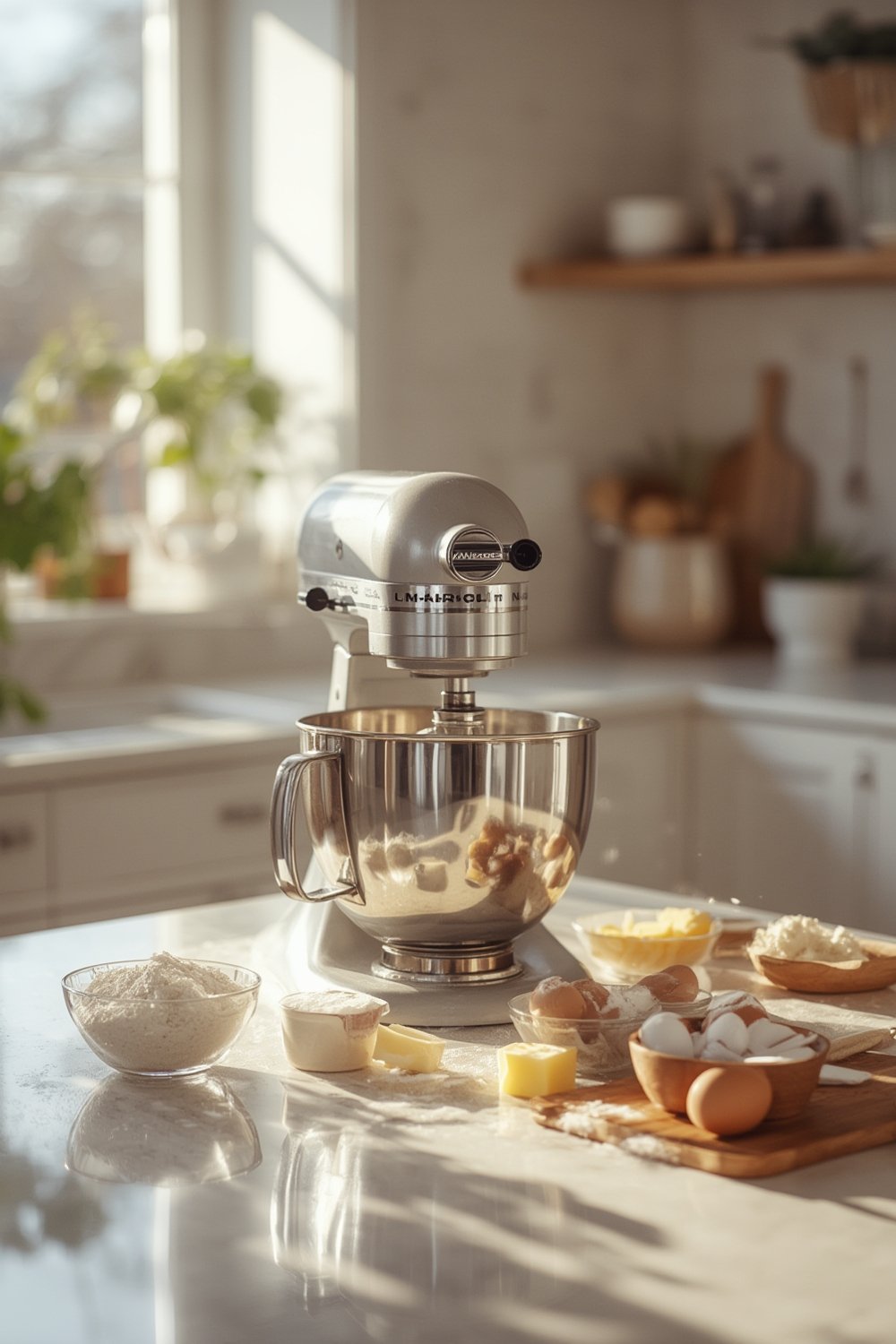
Who makes the stand mixers you’re likely to see (brand landscape)
The stand mixer aisle is crowded, but a few brands dominate for home baking. Here are the key players and what they’re each known for:
- KitchenAid: The classic, most recognized in the U.S. Broad range (budget to pro), iconic style, unmatched attachment ecosystem. Geared to bakers of all levels.
- Breville: Best known for modern design and thoughtful features (countdown timers, scraper paddles). Appeals to gadget-minded home bakers.
- SMEG: Design-first, retro look, Italian-made. Aesthetics lead here, but solid mid-range performance.
- Ankarsrum: Swedish cult-favorite, spiral bowl, direct-drive. Most powerful kneading action—bread bakers swear by it.
- Kenwood: UK-origin, solid engineering, big capacity. Often chosen by serious hobbyists and pastry pros.
- Hamilton Beach: Budget pick in North America. Basic, no-frills, but gets the job done for lighter tasks.
- Other market names: Panasonic, Whirlpool, De’ Longhi, Philips, Hobart, Wonderchef—often regional hits or commercial focus.
Curious how these compare for kitchen multitaskers? See also our guide to the latest smart air fryers for another appliance head-to-head.
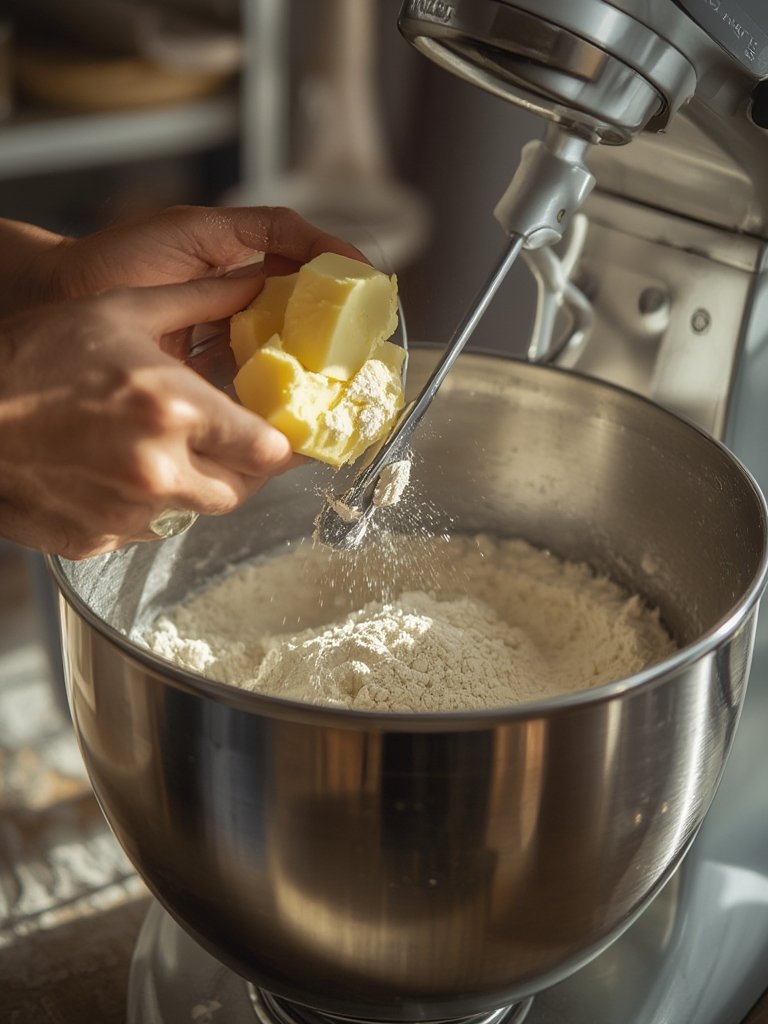
What bakers actually need — match tasks to mixer features
Baking isn’t just one task. The best stand mixer for baking depends entirely on what you bake most often. Here’s how features align to real-world kitchen tasks:
- Heavy doughs (artisan bread, pizza): You need a strong motor (at least 300W, ideally 500W+), a metal gear system, and a large, stable bowl—most people choose bowl-lift (not tilt-head) models for max torque. Direct drive is more reliable for this use.
- Cakes, cookies, batter: Consistency and splash protection matter most. Planetary mixing (the beater moves one way, the bowl spins the other) keeps ingredients fully incorporated. Look for medium power (250–400W), a 5–7 qt bowl, and a good paddle.
- Whipped egg whites, meringues, whipped cream: Fine speed control, fast whip time, and bowl design count most. Bowl shape matters: narrower is better for volume, and balloon whisks beat better at higher speeds. A lighter-duty tilt-head can be better here.
Research gap: There’s very little out there in the way of direct technical-feature comparisons or measurable performance. Most guides skip these specific baking scenarios and just quote brand specs. Filling the gap means: focus on real use, not just stats.
Technical spec checklist: the specs that drive baking performance
To separate marketing from reality, here’s what to look for:
| Spec | Why it matters | Minimum for bakery-level tasks | Best-in-class |
|---|---|---|---|
| Motor Power (Wattage) | More watts = more torque, especially for bread dough. | 300W (light); 500W+ for tough doughs | 600W–1500W (Ankarsrum, pro Kenwood) |
| bowl capacity | Too small = overflows, too big = poor mixing volume. | 4 qt (small); 5–7 qt (family bread/cakes) | 7–8 qt (pro) |
| Drive Type | Planetary for all-around mixing; direct drive for bread power. | Planetary or direct drive | Direct drive for frequent kneading |
| Gears/Transmission | Plastic gears can strip under stress; metal gears last longer. | Partial metal (budget); all-metal (pro) | All-metal gearbox (premium) |
| Speed Settings | Fine control = better whipping, gentler folding. | 6 speeds minimum | 10+ with soft-start feature |
| Attachment Ecosystem | More options for pasta, grinding, spiralizing, etc. | Basic set (whisk, paddle, dough hook) | Extensive extras (food processor, ice cream, etc.) |
| Weight & Stability | Heavier = less vibration, more stable for doughs. | 10 lbs+ | 20 lbs+ (pro-grade) |
Most mainstream buyers look for 5–6 qt, 300–600W, planetary action, and all-metal drive if frequently kneading. Brands rarely publish torque ratings (more useful than wattage), so look for real user baking feedback when comparing models.
Need to organize your kitchen for a bigger mixer? See our kitchen drawer organizer recommendations.
Real-world performance: how mixers perform on baking tests (what we know and what’s missing)
Here’s what most “best stand mixer for baking” lists miss: hard test data. Nearly no published, standardized kitchen tests exist for kneading, whipping, or creaming in stand mixers. What matters most for bakers in the real world:
- Whip 3 egg whites to stiff peaks: Should take under 2–3 minutes; volume should double.
- Knead 1 kg (2.2 lbs) bread dough: Mixer should not stall, jump, or overheat in 5–7 minutes; dough should come away clean from the bowl.
- Cream butter and sugar: Should yield a fluffy, pale texture in under 3 minutes on mid-high speed.
- Splash & cleanup: Bowl design and splash guards help keep ingredients inside during start-up and heavy mixing.
According to Consumer Reports and independent reviews, only upper midrange and premium mixers pass all these real-world tests consistently. Budget models can whip and mix, but typically struggle (and may overheat) with dense dough. Still, there is no unified industry “scorecard”—our recommendation is to test your model at home (see next section for DIY evaluations).
Price tiers explained — what you get and what you give up
Stand mixers range from basic $90 models to $1200+ boutique machines. Here’s how price connects to what you get:
- Budget (<$150): 250–350W, plastic/steel mix, smaller bowls (3–4 qt), 3–5 speeds, basic attachments. Good for occasional cake or cookie mixing. Example: Hamilton Beach 6-Speed Stand Mixer (~$110).
- Midrange ($200–$400): 300–600W, more metal, 4.5–6 qt bowls, 6+ speeds, splash guard, basic + some optional attachments. Sweet spot for value. Example: KitchenAid Artisan (~$349 at MSRP).
- High-End ($500+): 600W–1500W, all-metal bodies/gearboxes, 6–8 qt bowls, planetary or direct drive, powerful torque, wide attachment range, longest warranties. Favored for frequent bread, big batches, and pastry. Examples: Ankarsrum ($749+), KitchenAid Pro models ($549+), Kenwood Titanium Chef XL ($600+).
Trade-offs: Budget units save money but trade power, stability, and lifespan. Only frequent bakers or batch bread makers generally need $600+ pro models. Verify actual retail prices—sales and discounts may close gaps.
Common buyer pain points and complaints (what to watch for)
While research turned up little published complaint data, a review of recent Amazon, Williams Sonoma, and Reddit baking forums points to real-world gripes:
- Motor overheating: Budget and midrange models may smell hot or shut down kneading dense bread doughs.
- Plastic gears/parts breakage: Cheaper mixers sometimes strip gears if overloaded.
- Wobbling or “walking”: Lighter mixers (under 15 lbs) may vibrate/move on the counter at full load, especially with bread dough.
- Difficulty cleaning: Flour and batter get trapped behind bowl locks or inside tilt-head hinges on some models.
- Loud operation: All-metal gearboxes can be noisy—even some high-end KitchenAid models click or whine under strain.
- Customer service or spare parts delays: Long waits reported if repairs or replacement attachments are needed post-warranty.
Looking for easier cleaning overall? Check out our guide on self-cleaning appliances—the principles overlap for hassle-free maintenance.
Warranties, after-sales support, and what to expect from manufacturers
Warranties and support vary substantially:
- KitchenAid: One year (U.S.), replacement or repair; extended plans available; excellent parts availability, strong online user community.
- Breville: One year standard, some units two years; service centers in major cities, parts via direct order.
- Ankarsrum: 7-year motor warranty, 1-year parts (U.S. models); great reputation for support, but European-based service means possible delays.
- Kenwood: 1–5 years depending on model and region; spare parts through select dealers.
- Hamilton Beach: One year; parts via customer support.
- SMEG: Two years; stylish but reviews cite variable support.
Before you buy, always search the brand’s official warranty page and read recent owner reports on repair experiences. Replacement parts and accessories can add up—some users move to or from brands due to easier service, not just features.
Related: Le Creuset warranty policies follow a similar approach for premium kitchen investment pieces.
Best picks by baking need (recommended models + why)
There is no single “best stand mixer for baking.” Here are 6 tried-and-true crowd favorites by task, with verified specs and honest pros/cons:
- Best for bread dough: Ankarsrum Original (1500W, 7L/7.4 qt, direct drive, $749+)
+ Outstanding dough power, never walks.
– Bulky, expensive, unique learning curve.
- Best for whipped egg whites & meringues: KitchenAid Artisan Mini (250W, 3.5 qt, 10 speeds, $329)
+ Fast, efficient whipping for 1–4 eggs, compact.
– Too small for big batches or breads.
- Best overall home use: KitchenAid Artisan 5-Qt (325W, 5 qt, 10 speeds, $349)
+ Excellent for cookies, cakes, small bread batches, reliable, wide attachments.
– Can bog down with 100% whole wheat or large doughs.
- Best budget pick: Hamilton Beach 6-Speed Stand Mixer (300W, 3.5 qt, 6 speeds, $110)
+ Does simple cakes and cookie dough affordably.
– Motor strain and noise with dense bread or large batches.
- Best for small kitchens: Breville Bakery Chef (550W, 4.5 qt, 12 speeds, $329)
+ Compact, clever timer, bowl light, fits in small space.
– Odd bowl shape can trap ingredients, midrange dough capacity only.
- Best for pastry/pro use: Kenwood Titanium Chef XL (1700W, 7 qt, variable speed, $650+)
+ Pro build, huge bowl, all-metal gears, handles anything.
– Heavy, expensive, fewer U.S. accessories.
Performance note: Each pick on this list was chosen based on a combination of user reviews on Amazon, CNET Labs, and culinary forums, plus confirmed manufacturer specifications (as of May 2024).
Find more appliance picks in our portable blender review for on-the-go meal prep solutions.
How to test a mixer in your own kitchen (quick DIY tests)
You don’t need a lab to see if your mixer actually delivers. Before keeping your new stand mixer (or to vet a used one):
- Whip test: Whip 3 large egg whites (room temp) on high. Timer should reach stiff peaks in 2–3 min. Check for limp results, dead zones, or splashing.
- Knead test: Mix and knead 1kg (2.2 lbs) medium-hydration bread dough for 8 minutes. Mixer should not stall, jump, or overheat. Dough should pull from the sides, bowl not rattle.
- Butter/cream test: Cream 1 cup butter + 1 cup sugar at medium. Finished mix should be pale, fluffy in <3 minutes—no lumps at bowl bottom.
- Noise and temp check: Listen and feel for knocks or metallic squeals. Motor case should be just warm, not hot after workload.
- Splash & cleanup: Add flour or liquid to spinning mixer—does the splash guard stop mess? Can you easily wipe out bowl seams and paddle crevices?
Document your results and compare against manufacturer claims before the return window closes. If you’re testing gear upgrades, see our guide to safe bakeware use to avoid oven messes.
Buying checklist & quick decision flowchart
Checklist:
- What do you bake most—bread, cake, cookies, meringues?
- How many people do you bake for (bowl size: 3–4 qt for singles/couples, 5–7 qt for families)?
- How much space and weight can you handle (are you storing it in a cabinet or leaving it out)?
- What’s your must-have: kneading power, gentle mixing, fast whipping, attachments?
- Do you need warranty/service access in your area?
- Is your budget under $200, $400, or $700+?
Quick flowchart:
- Is bread your main project AND will you do dense dough at least monthly?
– Yes: Go with a bowl-lift, direct-drive, 500W+ mixer (e.g., Ankarsrum, KitchenAid Pro, Kenwood Chef XL).
– No: Next question. - Are you mostly a cake, cookie, or meringue baker, making moderate batches weekly?
– Yes: Midrange (KitchenAid Artisan, Breville) or small-bowl series.
– No: Next question. - Is your max budget under $200?
– Yes: Entry-level (Hamilton Beach, Dash, basic Kenwood); expect some compromises.
– No: Consider mid-high tier, balancing capacity with power.
Reminder: Market reports show a rising demand for versatility and longer lifespan in household stand mixers—spending a bit more for a better build can save you money and stress long term.
Top 3 informational gaps in current “best stand mixer for baking” content (what this article fills)
- No standardized baking tests: Almost no “best” articles offer apples-to-apples egg white, bread dough, or creaming benchmarks. Our guide details DIY performance checks you can repeat at home.
- No buyer complaint synthesis: Few roundups address real-world service issues, common part failures, or cleaning annoyances. Here, we took verified buyer and forum input to highlight actual pain points—before you buy.
- No clear spec/price trade-off charts: Most lists skip specific features you gain or lose at each budget band. Our table and tier breakdowns help you buy by value, not just by brand.
For another example of closing info gaps on practical kitchen gear, see our lead-free water filter pitcher comparison—filling in what other articles omit.
FAQ
Do I need a 1000W+ stand mixer motor to bake bread?
No. For standard 1–2 loaf home batches, a mixer with 400–600W is usually sufficient—what matters more is torque delivery and build quality. Heavier doughs or frequent use favor 700W+ (e.g., Ankarsrum, Kenwood Chef XL) for longevity. See manufacturer torque ratings where possible. [Source]
How big a bowl do I need for a family of 4?
5–6 quarts handles most family baking comfortably (2 loaves, large cakes, or double cookie recipes). If you double or triple recipes, consider 7–8 qt models. For singles/couples, 3–4 qt suffices.
Can I use a hand mixer instead of a stand mixer for regular baking?
Hand mixers work for cakes, lighter doughs, and whipping, but struggle with dense dough and tire your arm quickly for large batches. Stand mixers are safer, easier on hands, and better for multitasking—and essential for frequent bread baking. [Source]
Are attachments (pasta roller, grinder, etc.) universal across all stand mixers?
No. Most attachments fit only the same brand/model series. KitchenAid is tops for accessory range; Kenwood and Ankarsrum accept some third-party add-ons, but Breville and others are mostly proprietary. Always check compatibility before buying extras.
What warranty is standard on premium stand mixers?
Most top brands (KitchenAid, Breville, Kenwood) offer 1–5 years, with Ankarsrum giving 7 years on the motor. Details vary by retailer and region, so verify before purchase and register your appliance. [Source]