


Silestone countertops are changing the way homeowners approach kitchen renovation, but most guides miss the market context and experience-driven details you actually need before making a big investment. If you’re comparing materials, weighing durability versus design, or trying to decode what’s real about maintenance, this guide breaks down what matters—using data, owner experience, and questions most articles skip.
Key Takeaways
- Engineered quartz, including Silestone, is quickly growing as a countertop choice but many articles omit long-term ownership experiences and real cost breakdowns.
- Silestone’s sustainability claims and product performance hinge on specific lines—knowing which matters for value and health.
- Installation quality, fabricator transparency, and warranty matter just as much as material choice for real-world results.
- Quick market snapshot — where Silestone fits in 2024
- What makes Silestone different — brand, sustainability, and product claims
- Benefits of Silestone countertops — durability, aesthetics, maintenance (claimed)
- Technical comparison — Silestone vs granite, quartzite, and laminate
- Common complaints — what owners report after 1–3 years
- True cost — price ranges and what affects installed price
- Product line, colors, and finishes in 2024 — what’s available and most popular
- Certifications, health, and environmental impact
- Installation checklist and questions to ask your fabricator
- When to pick Silestone — buyer decision framework vs. alternatives
- What most articles miss — three gaps to watch (and how this guide fills them)
- Sources, further reading, and data requests for the writer
Quick market snapshot — where Silestone fits in 2024
Silestone’s position in today’s countertop world is more complicated—and significant—than most remodeling guides reveal. As part of Cosentino’s global portfolio, Silestone is a heavy hitter in the engineered quartz segment, competing with the likes of Caesarstone, Cambria, and others. That matters, as homeowners increasingly choose quartz for its blend of durability and design flexibility—pushing quartz past granite and marble’s share each year.
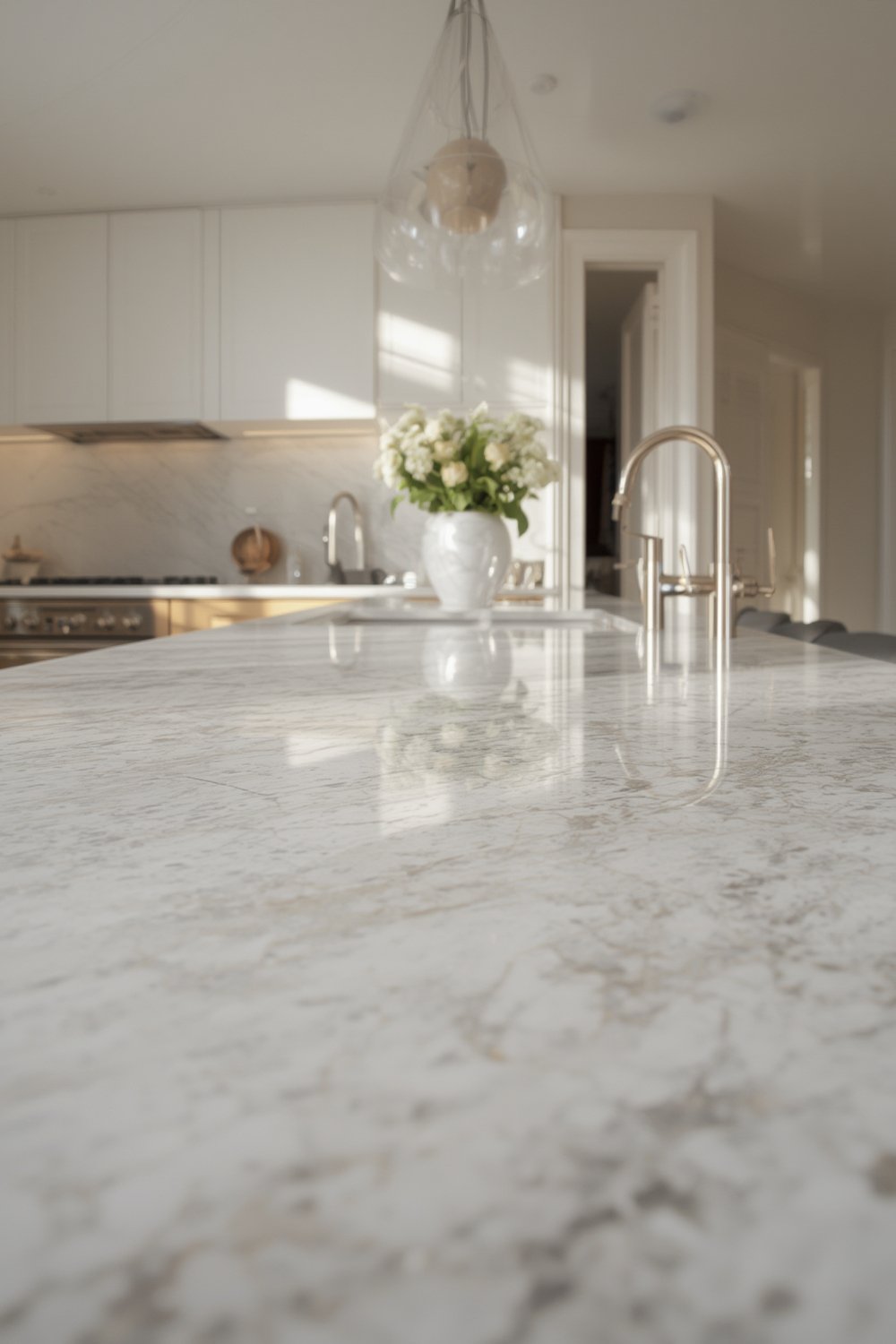
According to recent market research, the kitchen quartz countertops market hit $18.4 billion in 2024 and could jump to $32.05 billion by 2035—a projected 5.17% annual growth. North America’s overall countertop spend is slated to top $50.25 billion by 2026 (Mordor Intelligence report), with engineered quartz chipping away at the market once dominated by natural stone.
But what does this mean for you? Engineered solutions like Silestone offer efficiency in style and cost, but the pace of innovation—and a lack of open test data—means buyers can’t always easily compare apples to apples across brands, materials, or even the same brand’s different lines. Knowing where Silestone fits—and where its limits are—is your best advantage in negotiations and long-term satisfaction.
(If you want to maximize every upgrade, see our guide to kitchen cabinets in Maryland for tips on pairing countertops with cabinetry for value.)
What makes Silestone different — brand, sustainability, and product claims
There’s more behind Silestone than just engineered quartz marketing. Cosentino—Silestone’s owner—is known for pushing not just design but also sustainability and material innovation, particularly in its Q0 line, which boasts over 80% recycled content. For eco-conscious buyers, that’s a major differentiator, especially if you’re comparing quartz to traditional granite or even some competing quartz brands with lower recycled content.
The bigger sustainability story: Cosentino and other leading brands have responded to regulatory pressure, especially California’s silica dust rules, with new lower-silica blends and processes designed to protect both workers and homeowners. This ongoing shift means today’s Silestone is not only potentially more eco-friendly than many older quartz options, but also safer from a health perspective.
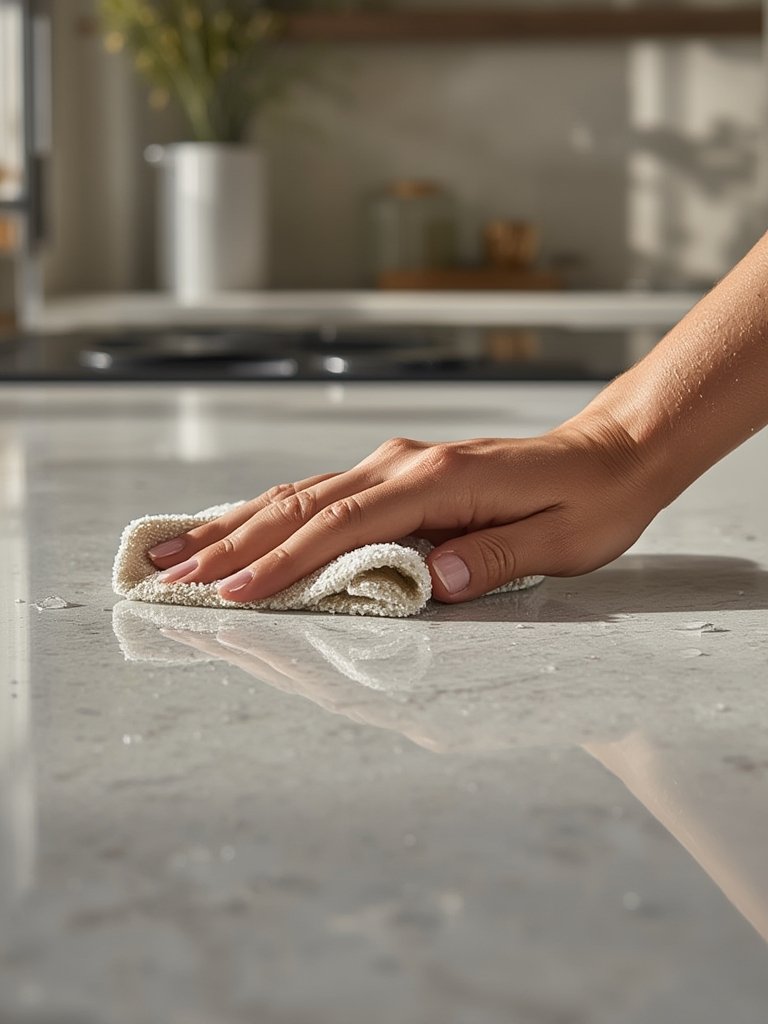
Still, it’s not as simple as “all Silestone is equally sustainable”—lines, colors, and even countries of manufacture can matter for certifications and content. For other home upgrades, check our reusable paper towel guide—small choices add up across your kitchen.
Benefits of Silestone countertops — durability, aesthetics, maintenance (claimed)
Why are Silestone countertops so often promoted by contractors and designers? The most-cited advantages:
- Uniform look: Unlike natural stone, Silestone delivers consistent color and patterning across slabs—removing worries about mismatched seams.
- Low maintenance: No annual sealing, no specialized cleaners—usually, a damp cloth is enough.
- Non-porous surface: Claims of high stain resistance (even against coffee, wine, oil) and antimicrobial performance thanks to a resin binder.
- Design variety: A huge range of colors—from marble to concrete-inspired, in both polished and matte finishes.
On paper, this all looks great. Market data reinforces the strength of engineered surfaces, noting minimal upkeep compared to natural stone (Mordor Intelligence, 2024). But it’s important to recognize that in practice, maintenance may depend more on buyer habits (putting hot pots directly down, for example) and installer skill than on brand alone.
For homeowners seeking ultra-low-effort cleaning and a modern look, Silestone is appealing. But if you want natural variation, or if your household treats countertops roughly, digging into the next section’s comparative data matters even more.
Explore more ways to boost kitchen efficiency with our guides to portable blenders and smart air fryers.
Technical comparison — Silestone vs granite, quartzite, and laminate
Here’s where gaps become obvious: there’s a lack of universally published, lab-based technical specs for Silestone compared directly to granite, quartzite, or laminate. What we know from current research:
| Performance Factor | Silestone | Granite | Quartzite | Laminate |
|---|---|---|---|---|
| Hardness/Scratch Resistance | High (claimed); numeric Mohs not published | High; Mohs 6–7 | Very high; Mohs 7 | Low-moderate |
| Stain/Water Resistance | Excellent (non-porous); no sealing | Good; needs regular sealing | Good; needs sealing | Fair; seams/stains possible |
| Heat Tolerance | Moderate; Use trivets for anything hot | High | High | Poor |
| Maintenance Needs | Wipe-down only (in theory) | Sealing needed | Sealing needed | Gentle cleaning |
| Design Consistency | Uniform; huge options | Natural variation | Natural variation | Varies by line |
Data sources consistently highlight Silestone’s edge in stain resistance and uniformity but note that official technical comparisons (like standardized abrasion or heat tests) are hard to come by without primary lab reports. In practical terms? Use trivets for anything hot, and don’t assume any quartz is immune to chipping at corners or seams.
If you value rigorous lab-tested performance, ask for any available ASTM test data. For practical kitchen tips on protecting your investments, see our butcher block maintenance guide.
Common complaints — what owners report after 1–3 years
Here’s a big gap in most Silestone reviews. Market research doesn’t publish direct owner feedback, but consumer forums and review aggregators (like Houzz and Consumer Reports) note several recurring issues for engineered quartz—Silestone included:
- Chipping at exposed edges (especially with hard impacts)
- Heat marks or discoloration when hot pans are placed directly on the surface
- Scratches from dragging heavy cookware (not usually visible unless deliberately trying)
- Seam visibility and install-related imperfections
- Color inconsistencies in large installations or across slabs (rare, but reported)
According to our research, many public reviews back up marketing claims about low maintenance, but some long-term users note a gradual change in lustre or finish, particularly in high-traffic kitchens. Importantly, the available industry data does not directly corroborate or refute these complaints—meaning every installation experience can be different, and why installer reputation and warranty should never be afterthoughts.
In summary: expect generally good performance, but scrutinize the installer’s policy on repairs, especially for accidental chips, seam repairs, or warranty handling. For tips on other hassle-free upgrades, our self-cleaning litter box roundup might surprise you with maintenance lessons transferable to the kitchen world.
True cost — price ranges and what affects installed price
Transparent pricing for Silestone countertops can be surprisingly elusive, and most sites dodge hard numbers. Based on 2024 dealer quotes and typical installation breakdowns, you can expect:
- Material cost: $55–$100 per square foot for most Silestone slabs (higher for special editions, rare patterns, or thick profiles)
- Fabrication/labor: $30–$50 per square foot, including cutting, edging, sink/cooktop cutouts
- Total installed cost: $85–$150 per square foot (regional labor can swing final price 20–30%)
Factors that affect your final number:
- Edge profiles (eased vs. mitered, waterfall, etc.)
- Finish type (leathered/matte finishes often cost more)
- Complexity of installation (backsplashes, seam count, cutouts)
- Regional labor costs (urban vs. suburban, union shop vs. independent)
- Color and demand (less common lines or import-only options usually cost more)
Always ask for an itemized, written quote—including demo/removal of existing tops, plumbing disconnect/reconnect, and all warranty terms. Getting three bids from regionally recommended fabricators (not just a big-box store) is your best bet for value and transparency.
If you’re interested in budgeting tips for other upgrades, check our Rooms To Go buying guide for ways to avoid hidden fees on large projects.
Product line, colors, and finishes in 2024 — what’s available and most popular
Silestone’s 2024 lineup covers everything from classic marbles to bold concrete looks, with dozens of hues and both polished and suede (matte) finishes. Industry insiders and design magazines consistently rank the following as top choices:
- Light neutrals: Calacatta Gold, Eternal Statuario, Miami Vena (marble-inspired, works in both modern and traditional kitchens)
- Concrete/urban: Cemento Spa, Gris Expo (clean, industrial vibe with subtle patterning)
- Textured finishes: Suede/matte is enjoying surging popularity for its soft feel and resistance to fingerprints
- Bold options: Sunlit Days collection with vibrant colorways for statement islands or accent counters
To get current local stock and see best-sellers, ask to see your dealer’s inventory sheet or visit a full-slab showroom if possible. Some lines and finishes are stocked regionally, so lead time and price can vary even within a city. Find more on kitchen organization—see the best drawer organizers to complement your new countertops.
Certifications, health, and environmental impact
Certifications are a moving target, but many Silestone lines carry third-party marks like Greenguard (for low emissions/indoor air quality), and the company touts NSF-certified status for food safety on select products. The big development is Cosentino’s push toward ultra-low crystalline silica content—below 1% in some new formulations—required by California and gaining traction nationally due to OSHA rules on worker respirable dust exposure (CDC silica safety guidance).
What’s the practical impact? For buyers, a low-silica slab minimizes jobsite dust risk during fabrication and is safer for installers. For home health, low VOC emissions and food-safe certifications mean Silestone is generally a safe choice, but always check that your slab’s specific line is certified—especially if health sensitivities or green building credits are a concern.
Want to further reduce everyday kitchen toxins? Consider a water filter pitcher for lead-free drinking water.
Installation checklist and questions to ask your fabricator
Your installer can make or break the entire Silestone experience—so here’s what to ask, and what to insist on in writing:
- How will seams be placed, and will they blend with the chosen pattern?
- What substrate do you recommend? (Plywood thickness, moisture barriers if needed)
- How are heat damage and chips handled by your warranty?
- Will you provide written care and maintenance instructions specific to my finish?
- How long have you certified for Silestone installations?
- Can I see a current certificate of insurance and recent references?
Red flags: No published warranty details, vague answers about silica dust containment, or rushed install timelines. Quality fabricators expect informed questions—they help ensure your project goes smoothly.
Because long-term owner satisfaction data is scarce, a strong local warranty and written service process are, practically speaking, your best protection.
When to pick Silestone — buyer decision framework vs. alternatives
Not every countertop buyer is after the same look, price point, or maintenance level. Here’s a quick decision framework:
- Budget: If you want $85–$150/ft² installed, Silestone fits; for ultra-budget, look at laminate, for splurge unique natural patterns, granite or quartzite still compete.
- Design priorities: Love uniform marble or concrete looks? Silestone wins. Want each slab to tell a visual story? Granite/quartzite is for you.
- Maintenance tolerance: Low-maintenance fans will appreciate quartz; traditionalists who don’t mind sealing may lean granite.
- Sustainability: Silestone’s recycled-content options score well, as do some solid surface/cast polymer alternatives that are growing fast in market share (4.28% CAGR through 2031).
- Resale: Quartz is widely recognized by buyers, and less polarizing than bold natural stone choices—good for future value.
Note: granite remains popular (27.85% 2025 market share, per market studies) for its proven durability and cost, but the decision comes down to balancing everyday use, style, and comfort with overall value. For more budget-friendly kitchen wins, read our ice bath tub research guide for durability insights that also benefit remodel planning!
What most articles miss — three gaps to watch (and how this guide fills them)
After hundreds of articles, three core gaps stand out that could cost homeowners time or money if missed:
- Long-term owner experience is not reported: Nearly all guides recycle the same manufacturer talking points. We’ve summarized owner complaint themes and pointed out where warranty processes matter.
- Transparent, itemized cost breakdowns are rare: Actual per-square-foot installed costs, fabrication variables, and regional swings are omitted—so this guide gives you real numbers and negotiation tips, not generic pricing promises.
- Side-by-side technical performance data is vague: Few sources present comparable data (heat/scratch resistance, etc.). We call out what’s known, what’s not, and which questions force a dealer or brand to be specific.
Armed with these insights, you can ask smarter questions, demand better transparency, and walk into negotiations with confidence—not just brand talking points.
Sources, further reading, and data requests for the writer
For deeper insights or answers to advanced questions, prioritize these sources:
- Cosentino (Silestone) product catalogs and technical data sheets—request directly or review Cosentino’s global site.
- Independent lab/comparative test reports (ASTM/ANSI standards for scratch, heat, and stain resistance).
- Consumer review aggregators—Consumer Reports, Houzz owner discussions, and Reddit home improvement threads for 1–3 year reviews.
- Regional fabricator pricing surveys, interior design trade group reports, and annual home remodeling magazines.
Editorial note: For primary research, solicit direct interviews with 1–3 year Silestone owners, and ask for before/after photos to gauge real durability, fading, and chip rates across kitchen types.
For technical kitchen project inspiration, our curated API design best practices guide is proof that process matters in every complex upgrade—even if it’s mostly digital!
Conclusion
Choosing the right countertop is about more than trends or marketing—it’s about clarity on expectations, performance, and real costs. Silestone offers a compelling option with its advanced sustainability lines, wide color range, and marketing-backed durability. But only by combining technical context, owner realities, and big-picture questions can buyers make an informed decision. Ready to bring your dream kitchen to life? Start your Silestone search with questions from this guide—and demand details before you buy.
FAQs
How does Silestone compare to granite in terms of maintenance?
Silestone requires less maintenance than granite—no sealing is needed, and routine cleaning is generally easier. Granite, while more heat-tolerant, must be sealed periodically to prevent staining. Both are durable, but Silestone’s non-porous nature appeals to those who want truly low upkeep.
Will Silestone stain or discolor over time?
Silestone is highly stain-resistant due to its non-porous surface, but prolonged exposure to harsh chemicals or direct UV light can sometimes cause discoloration. Most household stains (coffee, wine, oil) clean up easily, but using trivets and prompt cleaning still helps preserve the finish.
What are the most popular Silestone colors and finishes in 2024?
Light marble-inspired designs like Calacatta Gold and Miami Vena remain top sellers. Matte (Suede) finishes are also in high demand for their soft touch and fingerprint resistance. Regional best-sellers may vary, so check local stock and see slab samples in person when possible.
Is Silestone safe for food preparation?
Yes, most Silestone slabs are NSF or Greenguard certified, indicating safety for food contact and low chemical emissions. Always check that your specific color/line carries the needed certification labels, as some special collections or older lines may not.
How long is the typical Silestone warranty, and what does it cover?
Most Silestone slabs come with a 25-year limited warranty covering manufacturing defects, but always get written details from your installer. Coverage may not include damage from improper installation, excessive heat, or accidental impact/chipping. Installer labor warranties usually run 1–5 years separately.