


How to remove mildew smell from towels: If you’ve ever pulled a “clean” towel from the cupboard only to be hit with an unmistakably musty or sour odor, you’re not imagining things. That stubborn mildew smell is both common and frustrating, especially when you wash your towels regularly and still can’t get rid of it. Here’s what’s really behind it—and how you can banish that odor for good so your towels are truly fresh, safe, and ready to use.
Key Takeaways
- Mildew smell in towels is caused by bacterial and fungal growth, mainly due to trapped moisture, body oils, and detergent residues—most “clean” towels are more contaminated than you think.
- Quick fixes (vinegar, baking soda, hot washes) may help, but permanent odor removal requires tackling biofilms in both towels and washing machines, adjusting habits, and sometimes replacing towels altogether.
- Routine prevention—proper drying, washing habits, machine cleaning, and towel selection—saves effort, boosts hygiene, and dramatically reduces that musty towel odor long-term.
- What causes the mildew smell in towels (the microbiology and chemistry)
- Why repeated washing sometimes doesn’t fix the smell
- How quickly mildew/odor develops and how common the problem is
- Fast “first-aid” steps to get mildew smell out of towels (30–60 minutes)
- Deep-clean / “strip” protocols (step-by-step, with options and caveats)
- Appliance care: clean your washer to stop recontamination
- Fabric, towel construction, and replacement: what to buy and when to retire towels
- Prevention checklist (daily habits, storage, drying, and laundry routines)
- Safety, fabric-care guidelines, and long-term risks of popular methods
- Costs, time, and energy: home remedies vs. commercial products
- Three top recommended methods—and what they miss
- Quick FAQ / troubleshooting
What causes the mildew smell in towels (the microbiology and chemistry)
If you want to understand how to remove mildew smell from towels, it pays to know what you’re up against. The root cause is a microscopic stew of bacteria and fungi—most notably Mycobacterium osloensis—that thrive in damp towels. These microbes feast on residue from body oils and leftover detergent or fabric softener. As they metabolize these materials, they release volatile organic compounds, especially 4-methyl-3-hexenoic acid (4M3H), producing that characteristic musty or sour odor that clings to even “clean” towels (source).
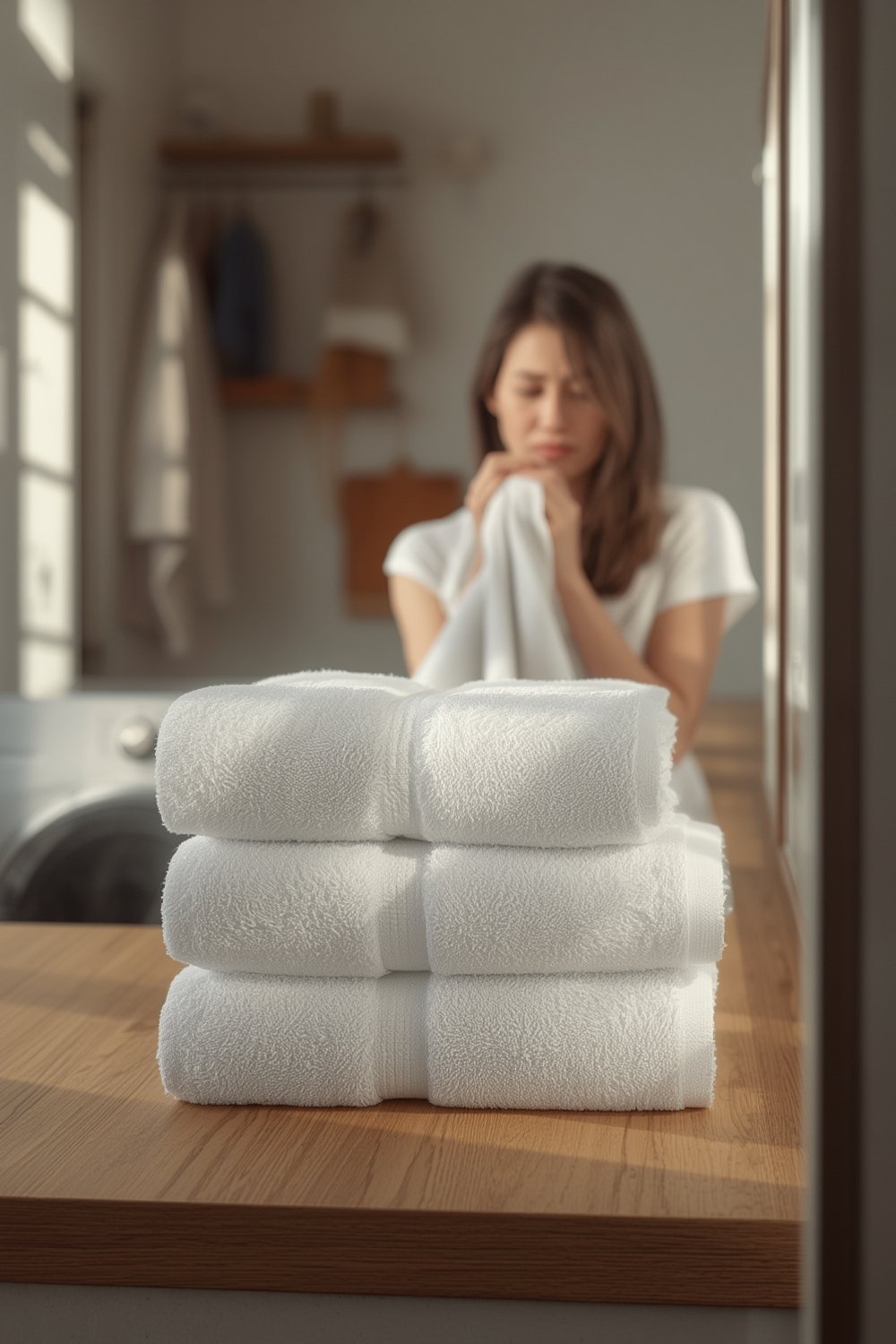
Body oils, dead skin cells, and product residues become literal food for these microbes. Damp, poorly ventilated environments—think bathrooms where towels rarely get fully dry—let bacteria and fungi thrive. Nearly 90% of bathroom towels contain coliform bacteria, and up to 14% have E. coli according to multiple studies (source), which means this isn’t just a rare annoyance. Towel thickness also plays a part: plusher, heavier towels stay damp longer, supporting more bacterial growth and tougher odors.
Even your washing machine might play a role. Biofilms of odor-causing microbes can colonize the tub, hoses, and detergent drawer, re-seeding freshly washed fabrics with new “funk” every cycle—so, it’s a full-system problem (source).
To recap: Chronic mildew smells come from a mix of moisture, food sources (body oils and detergent residues), and a habitat that lets bacteria and molds produce persistent volatile acids. Just rinsing superficially or masking the scent won’t solve it—you have to disrupt this cycle throughout the fabric and the appliances you use.
Why repeated washing sometimes doesn’t fix the smell
It’s incredibly frustrating: you run your towels through aggressive washes (maybe even two cycles!), only to have that same musty or sour scent return within a day or two. The problem? Most standard laundry routines unintentionally reinforce the very conditions that harbor odor-producing bacteria and fungi.
Here’s why even “hot washes” don’t always work for getting mildew smell out of towels (source):
- Residues as food: Most detergents and all fabric softeners leave trace residues. In the highly absorbent loops of towels, this sticky mix creates an ideal feeding ground for bacteria. No matter how hot the wash, survival is possible for certain hardy strains.
- Biofilm in washers: Over time, washing machine tubs and pipes accumulate a layer of living microbes (Mycobacterium osloensis chief among them) that’s very resistant to detergents and even bleach (source). Every load can pick up a fresh dose of odor-causing bacteria.
- Thick towels retain moisture: A quick cycle, or storage in a damp place, allows inner fibers to stay humid long enough for microbes to rebound after the wash. The smell then returns as soon as the towel is mildly damp again.
- Dryers aren’t a cure-all: Dryers often fail to reach the deep layers of thick towels, especially with heavy loads or short cycles. That can leave bacteria in place, especially if a vent is partially blocked or towels aren’t spaced out.
Studies have found that even after washing and drying, bacteria can persist in towel fibers, especially if they’re thick or high-pile. And because washing machines are themselves a source of these microbes, it’s easy for the cycle of odor to repeat no matter how clean you try to be (source).
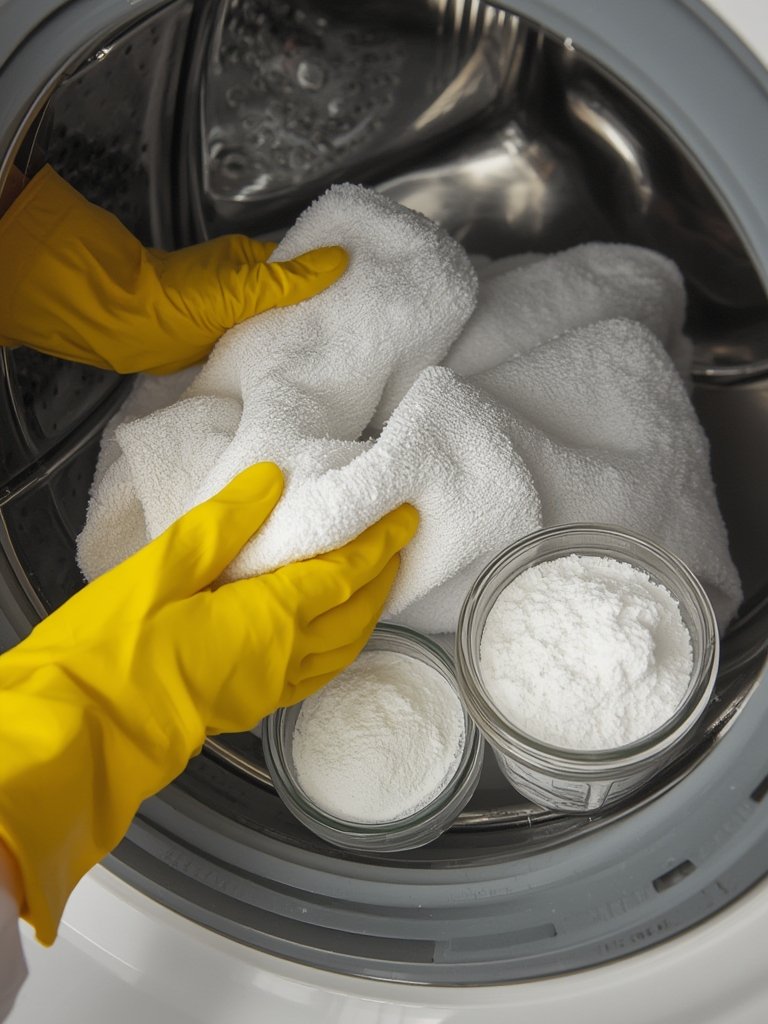
To truly get mildew smell out of towels, you have to go beyond surface-level laundry routines and address the root causes—especially by cleaning the machines themselves and using deep-cleaning protocols on your towels.
How quickly mildew/odor develops and how common the problem is
The bad news? Under normal home conditions—a dark, humid bathroom and towels not dried promptly—microbial growth begins within hours. That means even if you wash your towels once or twice a week, bacteria and fungi can multiply rapidly during each “damp” period (source).
Bacteria are remarkably persistent: enveloped viruses last less than a day, but bacteria cling to towel fibers for weeks or months unless disrupted by aggressive cleaning (source). According to field studies:
- ~90% of bathroom towels in US homes contain coliform bacteria
- ~14% test positive for E. coli (source: Charles Gerba, source)
- In kitchen towels, contamination can be even worse in some households
Slow air drying (common on towel bars or hooks with minimal airflow) allows bacteria and mildew to quickly recover—even hours after a wash. If your towel smells musty when damp, you’re definitely not alone, but you should consider it a red flag for bacteria levels that are higher than most people expect.
| Microbe/type | Persistence on Towels | Towel Sample Positives |
|---|---|---|
| Coliform Bacteria | Weeks–months | ~90% |
| E. coli | Weeks | 14% |
| Molds/Yeasts | Days–weeks | Varies |
| Enveloped Viruses | < 1 day | <10% |
The takeaway: Towel odor is an extremely common household hygiene problem. If you notice recurring mildew smells, it’s a sign that bacteria and fungi are established—and that your cleaning protocol or storage isn’t breaking the contamination cycle.
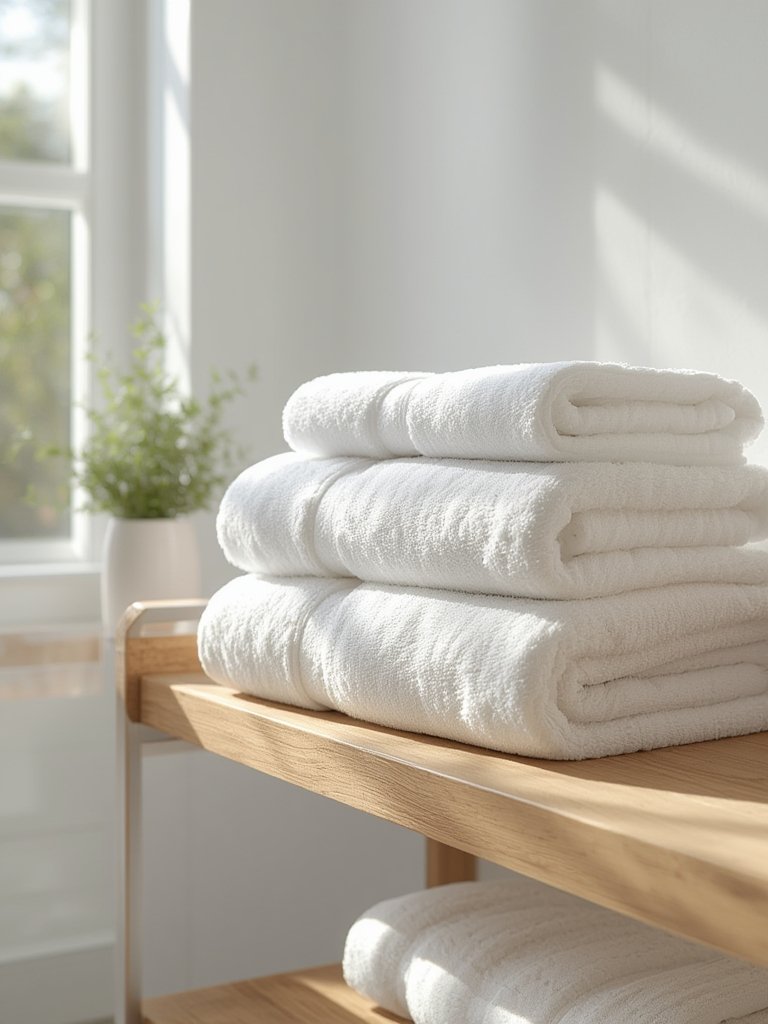
Fast “first-aid” steps to get mildew smell out of towels (30–60 minutes)
Sometimes you just need fresh towels today—for guests, after a workout, or because you simply can’t stand another musty whiff. Use this rapid, science-backed “first-aid” protocol for a one-time odor reset, understanding that serious odors may require a deeper fix (see below for “strip” cleaning).
- Immediately rinse the towel in hot water (if the fabric label allows). The hotter the water, the better the initial “kill rate” for bacteria and mildew.
- Run a re-wash cycle: Add 1 cup of plain white vinegar to the drum (no detergent or softener) and wash towels on the hottest safe setting. Vinegar helps break down odors and residues (source).
- Optionally, follow with a baking soda cycle: Wash again with 1/2 cup baking soda and HOT water.
- DRY towels thoroughly, ASAP. Use the dryer on the highest heat tolerated, or hang in direct sun and open air (sunlight/UV exposure is a natural antibacterial step).
When to use this: This quick fix often works for mild-to-moderate odors. If mustiness returns after one use or the towels are thick and heavy, move on to “deep clean” protocols below.
Reusable paper towels can make a useful backup for the day while your bath towels reset.
Deep-clean / “strip” protocols (step-by-step, with options and caveats)
Chronic, embedded mildew smells may require “stripping”—in other words, breaking up years of detergent, oil, and bacteria buildup. Here are two research-informed, fabric-safe methods for how to remove mildew smell from towels effectively (source):
Method 1: oxygen bleach + Hot Wash (“Oxiclean” method)
- Sort towels: Only deep-clean towels that are 100% cotton or blends that tolerate hot washes.
- Soak: Fill washer or clean bathtub with HOT water, add 1–2 scoops of oxygen bleach (like Oxiclean—not chlorine bleach!). Stir to dissolve.
- Add towels: Submerge completely for 4–8 hours, stirring occasionally.
- Rinse and wash: Run a full wash cycle on hot, no detergent or softener.
- Repeat as needed, but avoid doing this more than 2–3 times per year per towel to prevent fabric damage.
Method 2: Vinegar and Baking Soda Double-Wash (“Natural strip”)
- Wash 1: Hot water cycle + 1 cup white vinegar (skip detergent and softener).
- Wash 2: Repeat with HOT water and 1/2 cup baking soda (again, no detergent).
- Dry immediately, ideally in bright sun or at the highest heat your dryer/fabric allows.
Cautions & Limitations:
- Do not mix vinegar and baking soda together in one wash—they neutralize each other.
- Avoid chlorine bleach except on white, non-delicate towels (it can yellow some whites and destroys fibers quickly).
- Repeated high-heat or chemical “stripping” will shorten towel life, making them rough, faded, and less absorbent over time (source).
- If the towel is still musty after two strip-clean cycles, it’s likely past saving—see the “When to stop and replace the towel” note below.
Appliance care: clean your washer to stop recontamination
You can clean your towels perfectly—but if your washing machine harbors biofilms, your towels will get “reinfected” during every load. Here’s how to get mildew smell out of towels and keep your washer from being a recurring source of odor-causing microbes (source):
- Monthly hot-clean routine: Run an empty, hottest cycle with 1–2 cups white vinegar (or a washing machine cleaner) in both the drum and detergent tray.
- For tough odors, add 1/2 cup of oxygen bleach or a washer cleaner tablet (follow manufacturer instructions) and repeat the empty hot cycle.
- Scrub rubber seals, detergent drawers, and any visible residue with a brush and mild detergent solution—biofilms build up most in these moist nooks.
- Leave the washer door open between uses to promote airflow and discourage microbial growth.
- Check hoses for kinks or buildup, and clean lint filters if your machine has them.
Not sure about your washer’s cleaning cycle? If your model lacks a “clean tub” option, just run the hottest/longest normal cycle possible. Regular maintenance means your towels won’t keep picking up new odors.
Fabric, towel construction, and replacement: what to buy and when to retire towels
The type of towel you buy makes a surprising difference in how persistent mildew odors can be. Here’s what research and user experience show (source):
- Cotton towels absorb well and release odor more easily than polyester or blends. Pure polyester towels (or blends over 50%) hold odors longer and are much harder to de-stink.
- Thick, high-pile towels (the “luxury” kind) retain more moisture and can shelter microbes even after hot washing and drying—making them higher-risk for chronic smells.
- Quick-dry or “hydrophobic” towels (often sold for travel or sports) resist both moisture and microbial growth—great for humid bathrooms or gym bags.
Signs it’s time to retire a towel:
- Persistent odor after deep cleaning/stripping
- Noticeable thinning, roughness, or loss of absorbency
- Obvious stains, fraying edges, or holes
For better hygiene and fabric longevity, stick with cotton or quick-dry technical fabrics—and be ready to replace towels every 1–2 years if mildew becomes frequent.
Prevention checklist (daily habits, storage, drying, and laundry routines)
Preventing mildew smells is far easier (and cheaper) than having to deep-clean towels every few weeks. Build these habits into your daily and weekly routine:
- Hang towels immediately after use, spread out for maximum airflow—avoid folding while damp.
- Wash towels after 3 uses (or sooner if they smell damp), always using minimal detergent and skipping fabric softener.
- Rotate towels so none sit damp for too long, especially in a humid bathroom.
- Ensure full drying: Use high heat, open windows, or direct sun whenever possible.
- Regularly clean your washer, as detailed above.
- Store only bone-dry towels in cupboards. If unsure, run a quick tumble or sun-dry.
- Upgrade to quick-drying/hydrophobic towels if you live in a humid climate (see notes on ice bath tubs, which also need odor-free towels).
Habits like these not only help you get mildew smell out of towels, but also extend their useful life and keep your home healthier overall.
Safety, fabric-care guidelines, and long-term risks of popular methods
While most home remedies for towel odor are low-risk if used occasionally, it pays to know the caveats—both for your fabrics and your health (source):
- Vinegar: Generally fabric-safe for cotton towels, but overuse can wear down fibers or fade colors.
- Baking soda: Safe but mildly abrasive—again, best as an occasional deep-clean boost, not every load.
- Oxygen bleach: Recommended for whites and colorfast towels; avoid on delicate fabrics. Never mix with vinegar in one wash.
- Chlorine bleach: Only for white, non-delicate towels—and even then, it causes yellowing/fiber breakdown if overused.
Health risks: Chronic damp towels can spread everything from athlete’s foot to MRSA, ringworm, and viral infections (source). If you or household members have eczema, acne, or compromised immunity, err on the side of more frequent towel replacement. For safety, always dry towels completely before storing or reusing.
Costs, time, and energy: home remedies vs. commercial products
The true “cost” of getting mildew smell out of towels goes beyond just buying vinegar or laundry booster. It’s a mix of time, extra wash/dry cycles, and long-term towel replacement. Here’s a practical breakdown (since research hasn’t produced national cost data):
- White vinegar (1 cup per wash): Approx. $0.20–$0.40 per use
- Baking soda (1/2 cup): Under $0.10 per use
- Oxygen bleach soak (per load): $0.50–$1.00 average
- Commercial washing machine/tablet cleaner: $2–$5 per use
Hidden costs:
- Each extra wash/dry cycle adds to your water/heating/electricity bill (estimate $0.75–$1.50 per cycle, depending on region and machine).
- “Stripping” too often shortens towel life, so faster towel replacement costs more in the long run.
- Cheap prevention habits (full drying, machine maintenance) save much more than repeated deep cleans.
Some commercial “enzyme” or antimicrobial cleaners may work faster but rarely outperform a two-step vinegar + baking soda or oxygen bleach protocol because the real issue is often in the habits and appliance maintenance. Time-wise, plan for at least 1–2 hours including deep clean, dry, and machine care—but with no guarantee that heavily contaminated towels can be salvaged at all.
Looking for other cleaning time-savers? See how a cordless vacuum cleaner can help with general household hygiene, too.
Three top recommended methods—and what they miss
Based on what you’ll find in most winning articles and expert guides, here are the “big three” recommended fixes—and what critical steps most sources don’t tell you (source):
- Frequent hot washing: Helps—but not enough for thick towels or incomplete rinsing.
- Ensure full drying/ventilation: Essential for habit change, but airflow must be sufficient.
- Residue stripping (vinegar/baking soda or oxygen bleach): Effective but hard on fabric if overused, plus it doesn’t fix “dirty” washing machine issues.
What top guides miss:
- Machine biofilm is the biggest recontamination risk: If you don’t address it, towel “stripping” won’t last.
- Odor source isn’t just “dirt”—it’s Mycobacterium osloensis and persistent volatile acids, plus polyester is much harder to cleanse than cotton.
- Hydrophobic towels/quick-dry fabrics are an advanced solution: Resist odor and save washing hassle in the long run.
To extend towel life and prevent mustiness, combine PRACTICAL prevention, machine cleaning, and fabric selection—not just heavy-duty washing—for a system that works long term.
For other ways to boost household comfort, see how a heated blanket or smart air fryer can streamline your daily routines.
Quick FAQ / troubleshooting
I washed them twice—why are my towels still smelly?
Thick towels often retain bacteria even after two hot washes, especially if residue or moisture is left. Your washing machine may also be a source of recontamination—clean it thoroughly and try a deep-clean protocol on towels.
Is vinegar safe on my towels?
Yes, for cotton and most towel blends, vinegar is safe if used occasionally. Overuse on colored or delicate fabrics may cause fading or wear; never mix vinegar with bleach or baking soda at the same time.
How often should I replace towels?
Replace every 1–2 years or when deep-cleaning fails to fix chronic odors, or if towels become thin, rough, or develop holes. Persistent mildew smell after two strip-cleans means it’s time to retire.
Can I use bleach on colored towels?
Avoid using chlorine bleach on colored towels—it causes fading and weakens fibers. Use oxygen bleach (color-safe bleach) instead, always following fabric care labels and running an extra rinse after.
When do I need to replace vs. deep-clean a towel?
If a deep-clean or “stripping” protocol doesn’t remove the odor after two tries, or the towel is thin and worn, replacement is more sanitary (and will save you future hassle).