


Do you put silicone bakeware directly on the oven rack? It’s a practical question—and the right answer affects the safety, results, and lifespan of your favorite silicone pan or muffin mold. Whether you’re a new baker feeling cautious or a seasoned home cook looking to avoid warped or leaky disaster, we’ll cover exactly what the authorities (and real-world experience) say about direct oven rack placement, how to avoid common pitfalls, and the best practices that most blogs miss.
Key Takeaways
- Most experts and manufacturers recommend placing silicone bakeware on a baking sheet—not directly on the oven rack—for stability and even heating.
- Official sources like the FDA or EFSA do not give explicit rules on rack placement, but industry guidance warns against direct contact with heating elements and encourages at least 1″ clearance from oven sides/coils.
- Always check the temperature rating on your specific product, use food-grade silicone, and avoid sustained baking above 428°F (220°C) to keep your silicone safe batch after batch.
- Short answer: Can you put silicone bakeware directly on the oven rack?
- Safety first — official guidance and what regulators actually say (or don’t)
- Temperature limits and what the numbers mean (how hot is safe)
- Best-practice method — why to use a baking sheet (step-by-step)
- What can go wrong if you put silicone directly on the rack
- Evidence gaps & what research couldn’t find (transparency with readers)
- Quick troubleshooting: If your silicone bakeware warped, spilled, or baked unevenly
- Buying & maintenance guidance (how to choose silicone that’s less likely to fail)
- Top 3 expert/practical tips many articles miss (editorial opportunity)
- FAQ (short answers to common reader questions)
- Call-to-action / Reader next steps
Short answer: Can you put silicone bakeware directly on the oven rack?
The concise answer: While technically possible, most manufacturers and experts do not recommend putting silicone bakeware directly on the oven rack. Instead, always place flexible silicone pans or molds on a solid, level baking sheet before baking.
The main reason is stability: silicone is flexible and, when filled with batter, it can easily droop, spill, or warp if unsupported. While the FDA and EFSA haven’t published hard-and-fast rules on rack placement, industry guidance and best practices agree that supporting your silicone bakeware with a metal baking sheet ensures even heating and reduces the risk of messy accidents or silicone failure.
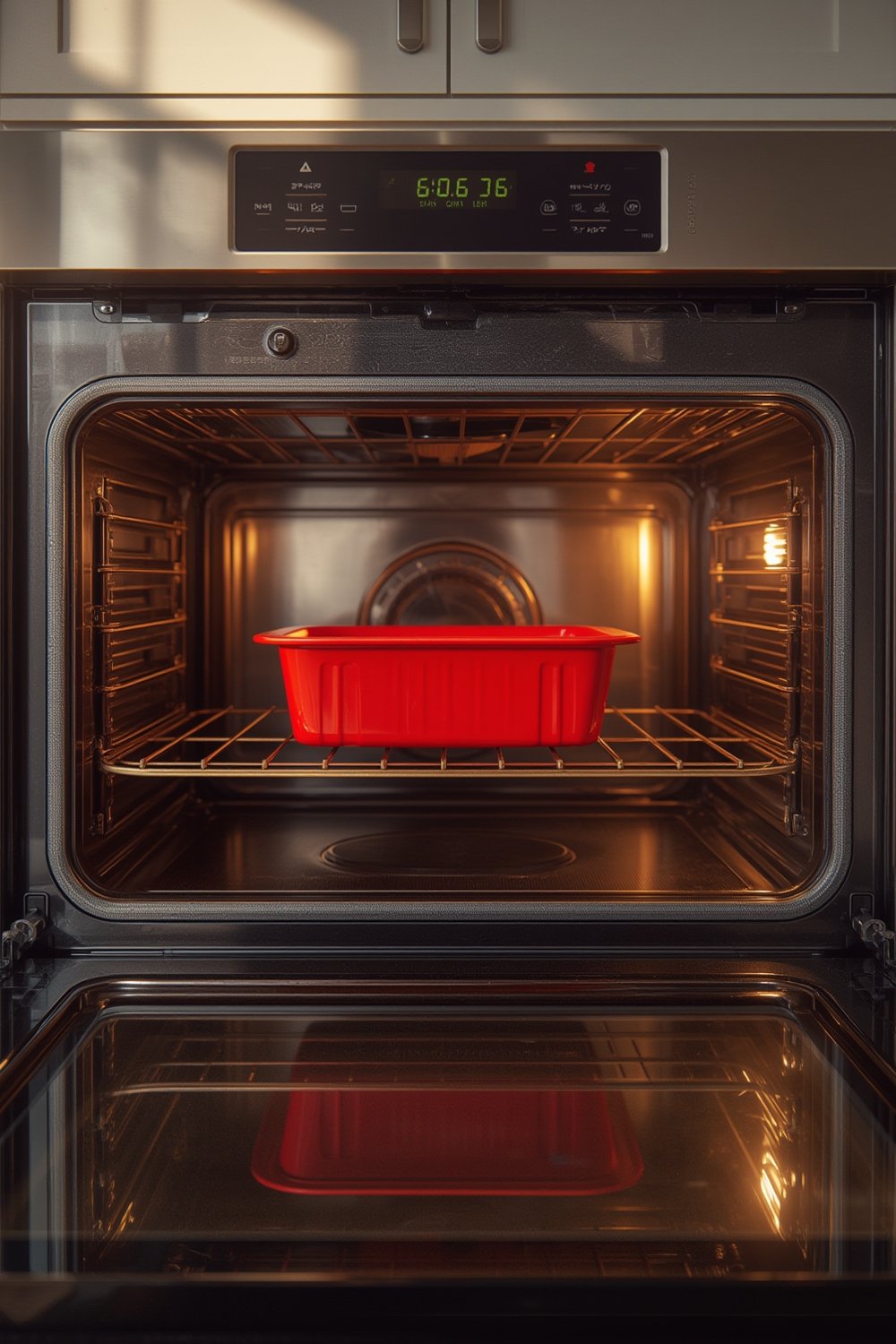
Safety first — official guidance and what regulators actually say (or don’t)
Neither the U.S. Food & Drug Administration (FDA) nor the European Food Safety Authority (EFSA) has issued specific, public statements about whether you should put silicone bakeware directly on an oven rack. However, both agencies endorse food-grade silicone for baking, so long as it’s used within designated temperature limits and kept away from direct contact with heating elements or flames (source). Industry leaders and most reputable bakeware brands echo these basics:
- Never allow silicone bakeware to touch oven coils or open flames—this can char, melt, or degrade the silicone.
- Keep silicone at least 1 inch away from the oven walls, rear fan, or heating elements.
- Check the user manual or product label for brand-specific oven tips—some models are less heat-resistant or more prone to sagging.
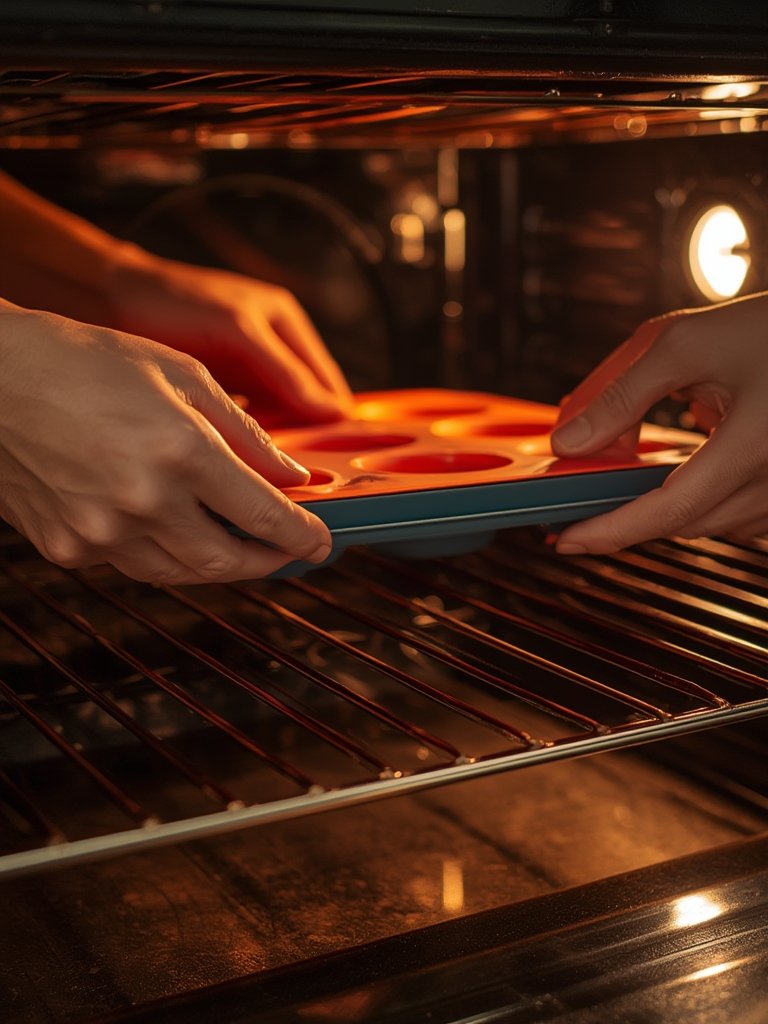
Temperature limits and what the numbers mean (how hot is safe)
Not all silicone is created equal, and temperature tolerance is where quality matters most. Here’s what research and experienced bakers agree on (source):
- Most food-grade silicone bakeware is safe up to 428°F (220°C) for regular baking, with some top-brand molds labeled up to 446°F (230°C).
- Silicone technically melts at around 932°F (500°C), but prolonged exposures above 428°F (220°C) can cause degradation, odor changes, or even off-flavors.
- Short bursts at higher temps (e.g., a quick preheat or oven surge) probably won’t ruin your pan, but routine high-temp baking can shorten its usable life.
- Always check your product’s actual rating—don’t rely solely on generic web claims or the max rating of “silicone in general.”
No independent lab or regulator publishes universal lists of “safe by brand/model,” so play it safe and always read your specific mold’s care card.
Best-practice method — why to use a baking sheet (step-by-step)
The gold standard for easy, safe, mess-free silicone baking is this:
- Place your empty silicone mold on a flat, sturdy baking sheet (sheet pan or cookie tray).
- Fill the mold on the tray to avoid spills or distortion while moving.
- Use the oven’s center rack whenever possible—never set molds near the top broiling element or directly above a bottom coil.
- Maintain at least 1 inch of clearance from all oven walls and heating elements.
- Slide the loaded baking sheet (with mold) into the oven; gently pull out using the sheet’s edge when done—not the floppy silicone’s sides.
This method isn’t just about stability—using a baking sheet also helps distribute heat more evenly across the base of your silicone, reducing the risk of burnt spots or rubbery undercooked bottoms. Plus, you won’t drip batter through the oven grates.
For small silicone items like cupcake liners, you can even line them up on a tray to keep them upright.
Pro bakers and trustworthy brands like Wilton and OXO routinely recommend this approach for reliable, flawless results.
What can go wrong if you put silicone directly on the rack
Some websites and videos show bakers putting silicone pans right on the oven rack—but here’s what research and real-world feedback warn about:
- Warping or permanent distortion: Especially in thin-walled, budget, or older silicone pans, the direct pressure from oven grates plus the heat can make the mold sag or lose shape. Even expensive models may stretch if filled heavily.
- Batter spills and leaks: Most silicone is floppy and, when unsupported, will sag between rack bars. The result? Wobbly, uneven cakes, or batter dripping onto the oven floor.
- Uneven baking: Silicone by itself is a mild insulator. Direct rack placement increases hot and cold spots, especially when molds sit near oven walls or heating coils, leading to inconsistent baking—gummy middles, over-browned bottoms, or tough edges.
- Accelerated material degradation: Hot spots from coil contact or poor airflow can break down silicone faster, causing it to discolor, develop odors, or even “sweat” oil-like residue.
Problems are more common with off-brand silicone, overfilled or very small molds (like chocolate or mini muffin trays), or older bakeware that’s already softened with age. Using a tray eliminates most of these headaches.
| Direct on Rack | On Baking Sheet |
|---|---|
| Risk of warping/drooping | Stable, properly supported |
| Mess from batter leaks | Spills caught by pan edge |
| Hot/cold spots, uneven baking | Even heat distribution |
| Material may degrade faster | Longer pan lifespan |
Evidence gaps & what research couldn’t find (transparency with readers)
Honesty matters: despite broad agreement on best practices for silicone baking, the research and public sources simply don’t offer:
- Statistics or surveys comparing the exact rate of failures or warped pans between rack vs. baking sheet methods
- Published user complaint patterns (for example, from Amazon or cookware support hotlines)
- Incident reports or recall data specifically connected to oven rack placement from the FDA or EFSA
- Up-to-date, apples-to-apples comparisons by brand or product line for performance, lifespan, or warranty terms
- Price or replacement cost breakdowns for maintaining silicone bakeware over time
So, these recommendations are based on manufacturer advice, engineering logic, and recurring user anecdotes—not formal, regulator-issued mandates or industrywide studies.
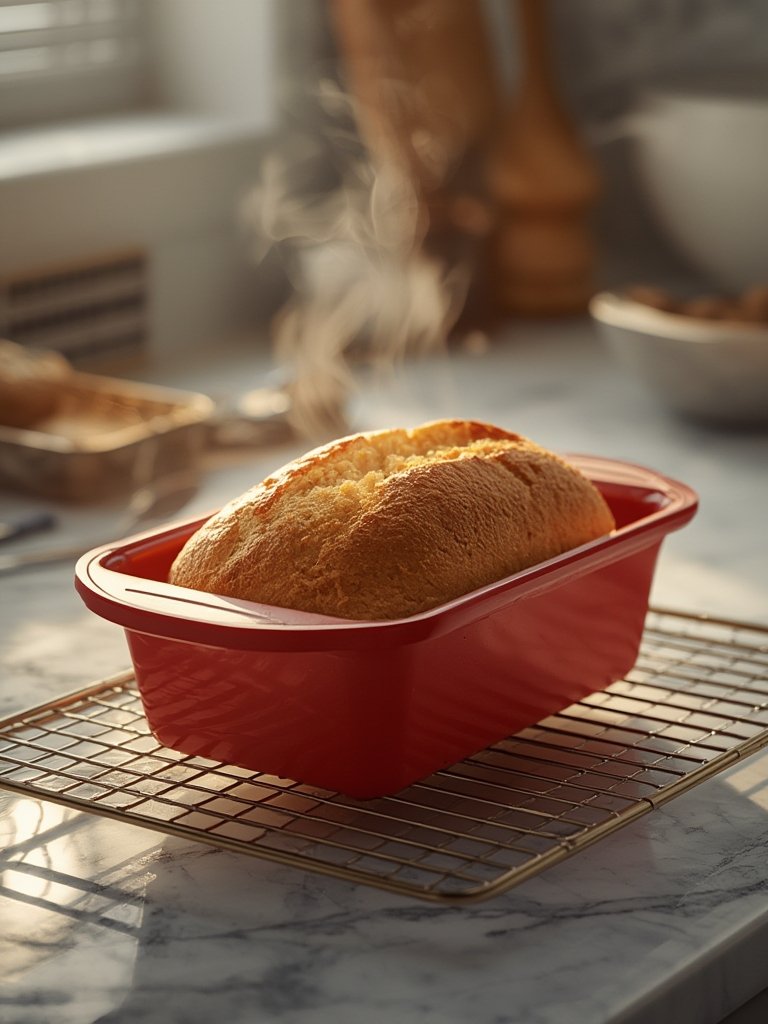
Quick troubleshooting: If your silicone bakeware warped, spilled, or baked unevenly
- Inspect the pan: If you notice warping, surface bubbling, or odd smells, don’t use the pan at high heat again—retire it or save for low-temp projects.
- Avoid max-rated temperatures: Stay below your pan’s limit (ideally ≤428°F/220°C) for routine use—reserve higher temperatures for short jobs, if at all.
- Always place filled molds on a rimmed baking sheet: This prevents drooping and leaks (see our silicone air fryer liners guide for related tips).
- Reduce batter fill: Don’t overfill molds—less weight means less sag, and you’ll prevent messy overflow (especially with airy batters).
- Chill soft batters before baking: Cooler, thicker dough is less likely to spill or distort the pan shape.
- Rotate your baking sheet halfway through for even results, especially in older ovens.
- If all else fails, replace cheap, thin, or unbranded silicone pans with a certified food-grade, thick-walled model from a reputable brand for best results.
For a full kitchen refresh, safety-minded bakers may also want to upgrade essentials like a cordless vacuum cleaner for flour cleanups or a water filter pitcher for improved recipe outcomes.
Buying & maintenance guidance (how to choose silicone that’s less likely to fail)
Your best defense against failed bakes and rapid wear is smart buying and easy upkeep. Here’s what to look for:
- Temperature rating: Choose pans clearly marked with a temperature maximum in °F and/or °C. Avoid generic, no-name molds without these details.
- Food-grade, BPA-free labeling: Only use silicone that is certified for food contact.
- Thick walls and sturdy build: Flimsy, very thin silicone is more likely to warp and leak, especially in larger pans or under heavy batters.
- Manufacturer’s care instructions and warranty: Favor brands that specify dishwasher/oven use, recommended cleaning methods, and warranty support for defects.
- Proper cleaning: Clean with soapy warm water or in the dishwasher if allowed. Avoid abrasive scouring pads that can pit the silicone.
- Thorough drying: Make sure pans are totally dry before use and storage—it stops odors, mildew, and unwanted oven sizzle.
- Care equals longevity: Well-maintained pans last years; neglect and overheating can destroy “expensive molds for many batches ahead” long before their time.
Want even more ways to streamline your kitchen or bake with confidence? Our guides to portable blenders and kitchen drawer organizers help maximize your results beyond baking, too.
Top 3 expert/practical tips many articles miss (editorial opportunity)
- Always use a rimmed, flat baking sheet under your silicone bakeware—even with stiffer, premium-grade molds. It supports weight, catches drips, and makes handling far easier.
- Keep a minimum 1-inch gap between your bakeware and all oven sides or heating elements. Good airflow prevents scorched edges and extends product life.
- Ignore generic online temperature claims—trust only what your mold’s label says. Avoid sustained use at or above 428°F (220°C) to prevent early silicone degradation.
None of the current top-ranking articles provide a competitive comparison of brands, so readers are best served following product-specific guidance—and reporting their experiences to help build the collective know-how for future home bakers.
FAQ (short answers to common reader questions)
Can silicone bakeware touch oven racks?
It’s best to avoid direct contact. While a quick touch won’t ruin your bakeware, always keep silicone away from heating coils or oven walls, and use a tray underneath for support.
Will silicone melt in the oven?
Food-grade silicone melts at around 932°F (500°C), well above normal oven temperatures. Stick below your pan’s rating (usually 428°F/220°C) to prevent smoke, odor, or color changes.
Can I broil using silicone bakeware?
No—don’t use silicone under a broiler or in contact with direct flame, as these exceed safe limits and can degrade or melt the bakeware.
How do I know if my silicone pan is safe for the oven?
Look for an etched or printed temperature rating on the product (often on the bottom or packaging) and clear “food safe” language. Avoid unmarked bakeware.
Does brand quality really matter?
Yes—higher quality, food-grade, thick-walled silicone from reliable brands is far less likely to warp, leak, or degrade versus discount, thin, or generic models.
Call-to-action / Reader next steps
Bottom line: For safest and best results, don’t put silicone bakeware directly on the oven rack. Always support it with a solid pan, follow the labeled heat limits, and double-check your manufacturer’s guidance before each batch.
To help other home bakers—and fill the evidence gaps—share your silicone bakeware experiences or questions in the comments. Want a printable quick-glance checklist for future bakes? Download it here.
For more smart kitchen guides, check out our pro tips for muscle recovery ice bath tubs, magnetic spice racks, and our favorite smart air fryer setups.